
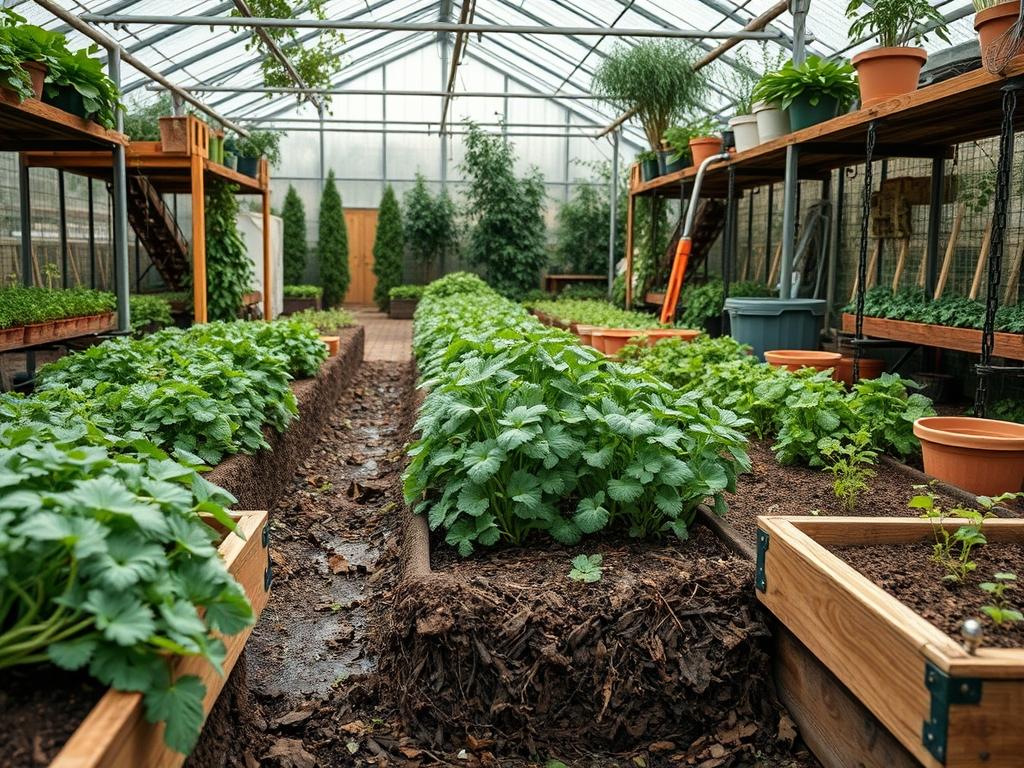
Designing a productive and aesthetically pleasing outdoor environment requires more than just aesthetic placement; it demands a deep understanding of botanical requirements and soil science. While many homeowners prioritize the structural elegance of evergreen shrubs or the height of ornamental grasses, the inclusion of sensitive herbs like Cilantro (Coriandrum sativum) introduces a unique challenge in microclimate management. This herb is notorious for its rapid transition to seed, a process known as bolting, which can ruin the texture of a softscape design and leave unsightly gaps in a culinary garden. Success in integrating these plants into a broader outdoor environment depends heavily on site orientation, irrigation efficiency, and, most crucially, the physical and chemical composition of the substrate. By treating the garden bed as a high performance structural component of the landscape, we can extend the harvest window and maintain the lush, green aesthetic desired for premium curb appeal.
The functionality of an outdoor living space is often measured by its ability to provide both beauty and utility. When planning a site for Cilantro, the landscape architect must consider how the soil quality affects the plant’s life cycle. Bolting is triggered primarily by heat and root stress. Therefore, the soil must act as a thermal regulator, keeping the root system cool even when ambient temperatures rise. A landscape that fails to address these environmental stressors will result in a garden that looks parched and neglected by mid-summer. Proper planning involves evaluating the topography of the yard to ensure that herb beds are located in areas with optimal drainage and protection from the harsh afternoon sun, ensuring the landscape remain vibrant throughout the growing season.
Landscape Design Principles
In professional landscape architecture, we approach herb gardening through the lens of structural hierarchy and visual balance. Symmetry plays a vital role in formal kitchen gardens, often referred to as potagers. By placing Cilantro within a symmetrical grid of raised stone planters, we create a sense of order and permanence. These focal points draw the eye and provide a structured frame for the wispy, delicate foliage of the herbs. Elevation layers are equally important; using tiered beds allows for different soil profiles tailored to specific plant needs. For instance, the upper tiers can host drought-tolerant Mediterranean herbs, while the lower, cooler tiers are reserved for the moisture-rich soil that Cilantro requires.
Irrigation planning must be integrated into the initial design phase rather than added as an afterthought. For a successful herb display, a subsurface drip irrigation system is preferred over overhead sprays. This method delivers moisture directly to the root zone, reducing evaporation and preventing fungal issues on the foliage. Walkways should be constructed from permeable materials like crushed pea gravel or flagstone with wide joints. These materials allow for incidental drainage and prevent water from pooling near the garden beds, which could otherwise lead to soil compaction. Visual balance is achieved by staggering the heights of plantings, using the low profile of herbs to transition between hardscape edges and taller focal plants like bay laurel trees or standardized rosemary.
Plant and Material Selection
| Plant Type | Sun Exposure | Soil Needs | Water Demand | Growth Speed | Maintenance Level |
| :— | :— | :— | :— | :— | :— |
| Cilantro | Partial Shade | Sandy Loam | Moderate to High | Fast | Medium |
| Flat-Leaf Parsley | Full Sun/Part Shade | Rich Organic | Moderate | Moderate | Low |
| Sweet Basil | Full Sun | Well-Drained | High | Fast | Medium |
| Garden Thyme | Full Sun | Gritty/Sandy | Low | Slow | Low |
| Chives | Full Sun | Loamy | Moderate | Moderate | Low |
| Dill | Full Sun | Deep Loam | Moderate | Fast | Low |
Implementation Strategy
The transition from a design concept to a physical garden requires a meticulous implementation strategy. The process begins with soil testing to determine the baseline pH and nutrient levels. For Cilantro, the ideal pH range is between 6.2 and 6.8. If the site has heavy clay, the area must be excavated to a depth of at least 12 inches and replaced with a custom blend of topsoil, aged compost, and fine perlite. This mixture ensures the high porosity needed for gas exchange at the root level while maintaining enough organic matter to retain moisture.
Grading is the next critical step. The land must be sloped away from home foundations and hardscape structures at a minimum of a two percent grade to prevent water stagnation. Once the grade is established, steel edging or tumbled brick borders should be installed to define the beds and prevent invasive turf grasses from encroaching on the herb garden. When planting, the spacing should be tight enough to shade the soil surface, which helps keep root temperatures down, but wide enough to allow for adequate air circulation.
After the plants are in the ground, a 2-inch layer of organic mulch, such as shredded cedar or pine straw, must be applied. Mulching is the primary defense against bolting as it insulates the soil and prevents the rapid evaporation of moisture. For larger backyard layouts, consider the integration of retaining walls built from natural limestone. These walls provide thermal mass that can help moderate temperature swings, protecting delicate herbs from the shock of sudden heat waves.
Common Landscaping Failures
One of the most frequent failures in residential landscaping is improper drainage planning. When water is allowed to sit in the root zone, it displaces oxygen, leading to anaerobic conditions and root rot. For Cilantro, this stress almost immediately triggers a survival response, causing the plant to bolt and produce seeds prematurely. Similarly, soil compaction from foot traffic or heavy machinery during construction destroys the soil structure. Without pore space, roots cannot penetrate deep into the ground, making the plant entirely dependent on frequent surface watering and highly susceptible to heat.
Another common mistake is improper spacing and overcrowding. While a dense planting might look lush initially, it creates a stagnant microclimate that encourages powdery mildew and other pathogens. Overcrowding also forces plants to compete for limited nutrients, leading to stunted growth and a lack of flavor in culinary herbs. Irrigation inefficiencies also plague many landscapes; systems that are not calibrated for the specific needs of the soil type often lead to “pulse watering,” where the soil fluctuates between being oversaturated and bone-dry. This cycle of stress is a primary driver of bolting in leafy greens and herbs.
Seasonal Maintenance
Spring maintenance focuses on soil preparation and the first wave of succession planting. As the ground thaws, amend the beds with well-rotted manure or leaf mold to replenish nitrogen levels. This is the optimal time to install young Cilantro starts, taking advantage of the cool, damp weather. Use a hand trowel to incorporate a balanced, slow-release organic fertilizer into the top few inches of the soil.
Summer management is largely centered on heat mitigation. As temperatures climb above 75 degrees Fahrenheit, consider installing 30 percent shade cloth over the herb beds to filter the intense midday sun. Harvesting should be frequent; removing the older outer leaves encourages the plant to continue producing new foliage rather than shifting its energy toward seed production. If any plants begin to develop the fine, feathery leaves associated with bolting, they should be removed immediately to make room for a new round of seeds.
In autumn, the focus shifts to garden cleanup and soil protection. As the final harvest concludes, remove all spent plant material to prevent pests from overwintering in the debris. This is an excellent time to add another layer of compost to the surface, allowing the winter rains to wash nutrients deep into the soil profile. For winter management, in milder climates, Cilantro can be grown under cold frames or polyethylene tunnels. In colder regions, the goal is to protect the soil structure from erosion using a heavy layer of straw mulch or a winter cover crop like clover.
Professional Landscaping FAQ
What is the best soil mix for preventing cilantro bolting?
A blend of 60 percent sandy loam, 30 percent organic compost, and 10 percent perlite provides the drainage and moisture retention necessary. This combination keeps roots cool and prevents the stress-induced flowering that occurs in compacted or dry soils.
How deep should my herb garden beds be?
For optimal root development and moisture management, beds should be at least 10 to 12 inches deep. This depth allows for a robust root system that can access deeper, cooler moisture reserves during the heat of the day.
Can I use decorative rocks as mulch for cilantro?
No, decorative rocks or gravel should be avoided around Cilantro. Stone absorbs and radiates heat, which significantly raises the soil temperature. Instead, use organic mulches like shredded bark or straw to keep the root zone cool.
How does irrigation timing affect plant health?
Irrigating in the early morning is most efficient. It allows the foliage to dry before sunset, preventing fungal growth, and ensures the plant is fully hydrated before the maximum heat of the afternoon, which is the most critical period for bolting prevention.
What are the signs that my soil is too compacted?
If water pools on the surface for more than ten minutes after irrigation, or if the soil feels hard and brittle to the touch, it is likely compacted. You should use a broadfork or aerator to restore porosity without flipping the soil.