
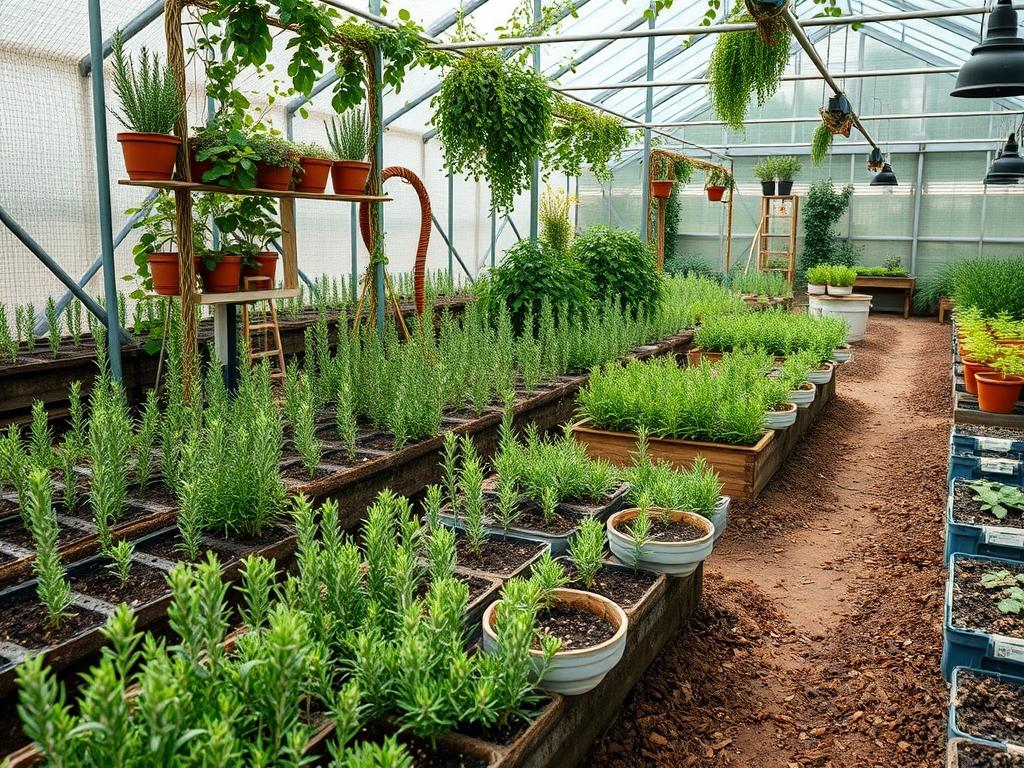
Integrating Salvia rosmarinus into a modern landscape requires more than just a sunny spot and a prayer. As a structural evergreen, rosemary offers a unique intersection of culinary utility, sensory appeal, and architectural rigidity. However, the success of a long term installation hinges almost entirely on a sophisticated Rosemary Soil Strategy that accounts for the delicate balance between high heat and root respiration. In urban environments, where heat islands and compacted subsoils are the norm, rosemary often serves as a primary foundation plant or a sprawling groundcover. To ensure these plants thrive for decades rather than seasons, one must design the environment to mimic the rocky, arid cliffs of the Mediterranean. This approach not only enhances curb appeal with silvery green textures but also addresses functional goals like erosion control and water conservation.
Successful landscape architecture begins with understanding that rosemary is not merely a shrub; it is a drought-tolerant anchor that defines the boundaries of outdoor living spaces. When planning a site, I focus on how the plant interacts with the surrounding hardscape. Heat radiating from a concrete walkway or a stone retaining wall can be a literal lifesaver for rosemary in cooler microclimates, but in desert environments, this same radiant heat can lead to rapid desiccation if the soil profile is incorrect. The goal is to create a resilient ecosystem where the plant can withstand internal leaf temperatures above 100 degrees Fahrenheit while maintaining a cool, oxygenated root zone.
Landscape Design Principles
Effective garden planning utilizes rosemary to achieve visual balance and structural hierarchy. When applying the Rosemary Soil Strategy, symmetry is often achieved by flanking entryways with upright cultivars, creating a formal focal point that guides the eye. To prevent a flat, one dimensional appearance, I recommend utilizing elevation layers. By installing retaining walls or creating mounded berms, we can elevate the rosemary above the natural grade. This shift in elevation serves two purposes: it creates a dramatic visual tier and ensures that excess water moves away from the crown of the plant.
Irrigation planning must be integrated into the design from the very beginning. While rosemary is exceptionally drought tolerant once established, the initial two years require a systematic approach. Subsurface drip emitters are preferred over overhead sprayers as they deliver moisture directly to the root zone without wetting the foliage, which can lead to fungal pathogens in humid climates. Walkways should be designed to allow for the natural sprawling habit of trailing varieties. A flagstone path with rosemary creeping through the crevices creates a softened, organic edge that balances the harsh lines of architectural masonry.
Plant and Material Selection
Selecting the right cultivar is as important as the soil itself. The following table outlines the specifications for primary rosemary types and their ideal companions within a professional landscape context.
| Plant Type | Sun Exposure | Soil Needs | Water Demand | Growth Speed | Maintenance Level |
| :— | :— | :— | :— | :— | :— |
| Tuscan Blue | Full Sun | Sandy, Alkaline | Low | Fast | Low |
| Prostratus | Full Sun | Rocky, Gritty | Very Low | Moderate | Low |
| Arp (Cold Hardy) | Full Sun | High Drainage | Low | Moderate | Medium |
| Lavandula | Full Sun | Calcareous | Low | Moderate | Medium |
| Santolina | Full Sun | Poor, Dry | Very Low | Fast | Low |
For the growing medium, a professional Rosemary Soil Strategy involves a mixture of 60 percent mineral solids and 40 percent organic matter. Materials such as crushed basalt, pumice, or coarse river sand should be used to increase the macroporosity of the soil. Avoid fine sands, as they can fill the gaps between larger particles and actually decrease drainage over time.
Implementation Strategy
The transition from a design on paper to a physical landscape requires meticulous site preparation. The first step in a backyard layout is grading. The site must be sloped at a minimum of 2 percent away from building foundations and toward a designated drainage area or dry creek bed. If the native soil is heavy clay, do not simply dig a hole and fill it with potting soil; this creates a “bathtub effect” where water collects and rots the roots. Instead, incorporate the amendments into the entire planting bed to a depth of 18 inches.
Once the grading is complete, install metal or heavy duty plastic edging to define the garden beds. This prevents invasive turf grasses from encroaching on the rosemary. For the mulch layer, I advocate for the use of 1 to 2 inches of inorganic mulch, such as pea gravel or crushed granite. Unlike wood mulch, stone does not retain moisture against the stem of the plant and reflects sunlight up into the interior of the shrub, preventing the lower branches from becoming leggy and sparse. Hardscaping elements, like boulders or stone pillars, should be placed before planting to provide thermal mass that stabilizes soil temperatures during extreme heat fluctuations.
Common Landscaping Failures
The most frequent mistake I see in residential landscapes is root overcrowding caused by improper spacing. A young Gallon sized rosemary may look small, but many varieties will eventually reach a spread of 4 to 5 feet. Planting them too close together restricts airflow, creating a humid microclimate that invites spider mites and powdery mildew. Soil compaction is another silent killer. Heavy foot traffic or the use of heavy machinery during construction crushes the air pockets in the soil, suffocating the roots.
Irrigation inefficiencies also rank high among common failures. Over-irrigation is far more lethal to rosemary than underwatering. If the soil remains saturated for more than 24 hours after a rain event, the Rosemary Soil Strategy has failed. You will notice the needles turning a dull yellow before they drop; this is a clear sign of root asphyxiation. Finally, neglecting the pH level can lead to nutrient deficiencies. Rosemary prefers a slightly alkaline environment, typically between 6.5 and 7.5 pH. In highly acidic soils, the plant may struggle to uptake essential minerals, leading to stunted growth.
Seasonal Maintenance
Landscape management is a year round commitment. In the spring, focus on light pruning to shape the plant and remove any winter dieback. Use bypass pruners to cut back about one third of the new growth, which encourages a fuller, bushier habit. This is also the ideal time to refresh your gravel mulch and check that the irrigation emitters are not clogged by mineral deposits.
During the summer, the primary goal is heat management. While rosemary loves the sun, extreme heatwaves can stress even the hardiest plants. Monitor for signs of wilt in the early morning; if the plant hasn’t recovered by dusk, a deep, slow watering is necessary. Autumn is the time for soil testing. If the pH has drifted too far toward acidic, a light application of dolomitic lime can help stabilize the bed. In winter, the greatest threat is a combination of cold and wetness. In regions with heavy snowfall, ensure that snow is not piled onto the plants, as the weight can break the brittle woody stems and the excess moisture can lead to crown rot during the spring thaw.
Professional Landscaping FAQ
How do I improve drainage in heavy clay soil for rosemary?
Do not amend individual holes. Excavate the entire bed and incorporate expanded shale or coarse grit at a 50 percent ratio to the native soil. Creating raised mounds or installing French drains are also highly effective strategies.
What is the best mulch for rosemary in high heat?
Avoid wood chips, which hold moisture and promote rot. Use pea gravel, river rocks, or decomposed granite. These materials reflect heat, keep the foliage dry, and provide the inorganic environment that Mediterranean herbs prefer for long term health.
Can I grow rosemary in large decorative containers?
Yes, but the soil strategy changes slightly. Use a soilless potting mix amended with 30 percent perlite or pumice. Ensure the container has multiple drainage holes and avoid using saucers that allow the pot to sit in standing water.
How often should I fertilize my rosemary plants?
Rosemary requires very little supplemental feeding. A light top-dressing of well-aged compost in the spring is usually sufficient. Over-fertilizing with high nitrogen products leads to rapid, weak growth that is less fragrant and more susceptible to pests.
Why is my rosemary turning brown in the center?
This is typically due to a lack of sunlight or poor airflow. Prune out dead interior wood to allow light to penetrate the center of the shrub. Ensure the plants are spaced at least 3 to 4 feet apart.