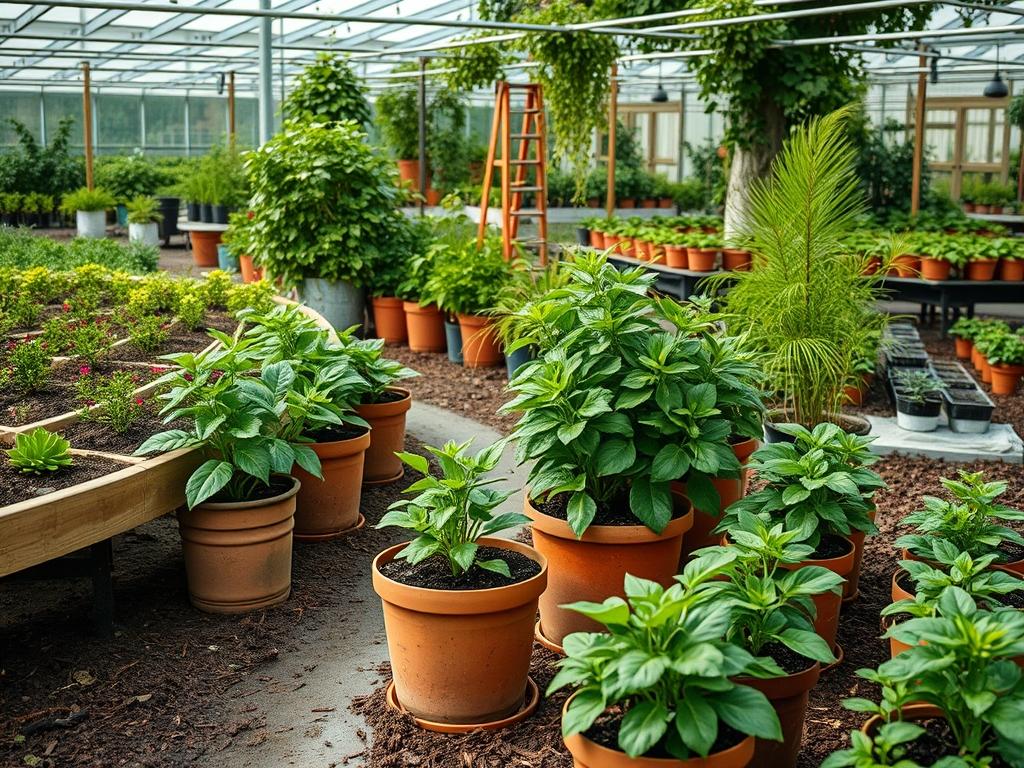
High-end landscape architecture often relies on the strategic placement of containerized greenery to bridge the gap between permanent hardscaping and the fluid, seasonal shifts of a living garden. While many homeowners view pots as mere decorative accents, professional designers treat them as critical structural elements that define boundaries, direct foot traffic, and provide height in flat environments. The challenge with container gardening, however, is the heightened vulnerability of the root systems. Unlike plants in the ground, those in pots are exposed to rapid temperature fluctuations and accelerated evaporation. This is where the practice of mulching potted plants becomes an essential component of professional outdoor management. By integrating mulch into your container strategy, you enhance curb appeal while simultaneously creating a stable microclimate that mimics the insulating properties of the earth.
When planning an outdoor environment, the functionality of each vessel must reflect the broader landscape goals. Whether you are aiming for a minimalist Mediterranean courtyard or a lush subtropical retreat, the materials you select for the top layer of your pots will dictate the health and longevity of the botanical display. Selecting the right mulch is not merely an aesthetic choice; it is a technical requirement for high-performance landscapes. Effective mulching reduces the frequency of irrigation cycles, prevents soil splash-back during heavy rains, and keeps the root zone cool during the peak of summer. This professional approach to container maintenance ensures that your investment in specimen plants remains protected against the elements.
Landscape Design Principles
Successful container integration requires an understanding of symmetry and focal points. In formal landscape design, we often use pairs of large Terracotta or Glazed Ceramic pots to flank entryways or define the transition from a patio to a lawn. This symmetry provides a sense of order and permanence. To create visual interest, we apply the principle of elevation layers. By using pots of varying heights, or placing containers on Stone Pedestals, we can lead the eye upward and simulate a natural forest floor or a cascading hillside. The mulch used in these containers should complement the surrounding hardscape. For example, using Polished River Rock in a modern garden reinforces a clean, sleek aesthetic, whereas Shredded Cedar fits more naturally in a rustic or woodland setting.
The concept of visual balance extends to the texture and color of the mulch itself. A dark Pine Bark mulch provides a high-contrast backdrop for vibrant annuals, making the colors of the foliage and blooms appear more saturated. Beyond aesthetics, irrigation planning is paramount. For high-end installations, we often hide Micro-irrigation lines beneath the mulch layer. This allows water to be delivered directly to the soil surface without disrupting the visual cleanliness of the pot. Walkway definition is another area where potted plants shine. By lining a path with containers, you create a soft boundary that encourages a slower pace. The mulch in these pots acts as a weight, preventing lighter plastic or resin containers from shifting or tipping in high winds, ensuring the path remains clear and safe.
Plant and Material Selection
Selecting the right combination of botanical species and mulching materials is critical for a low-maintenance, high-impact landscape. Below is a guide for common species used in professional container designs.
| Plant Type | Sun Exposure | Soil Needs | Water Demand | Growth Speed | Maintenance Level |
| :— | :— | :— | :— | :— | :— |
| Japanese Maple | Part Sun | Loamy, acidic | Medium | Slow | Moderate |
| English Lavender | Full Sun | Sandy, alkaline | Low | Medium | Low |
| Hosta | Full Shade | Humus-rich | High | Medium | Low |
| Boxwood | Full to Part Sun | Well-drained | Medium | Slow | High |
| Dwarf Citrus | Full Sun | Sandy-loam | Medium | Medium | Moderate |
| Ornamental Grass | Full Sun | Variable | Low | Fast | Low |
For these species, the choice of mulch varies. Japanese Maples benefit from Pine Bark Nuggets which help maintain a slightly acidic soil pH. Lavender and other Mediterranean herbs prefer Pea Gravel or Crushed Granite, as these materials do not hold excess moisture against the crown of the plant, which prevents rot. Hostas thrive when covered with a layer of Leaf Mold or Shredded Hardwood, which mimics the organic matter of a woodland floor and retains the high moisture levels these plants require.
Implementation Strategy
Implementing a professional-grade container layout begins with proper grading and drainage. Even though the plants are in pots, the surface on which they sit must be level to avoid uneven water distribution within the container. Before adding soil, ensure each pot has a large drainage hole. We often place a small piece of Landscape Fabric or a Fine Mesh Screen over the hole to prevent soil loss while allowing water to escape freely. When filling the pot, leave approximately 2 inches of space between the soil line and the rim of the container. This space is designated for your mulch layer.
The depth of the mulch is critical. For most potted plants, a layer of 1 inch to 1.5 inches is sufficient. Applying mulch too deeply can suffocate the roots and prevent oxygen exchange. For larger specimen trees in oversized planters, you might increase this to 2 inches. Start by placing the plant at the correct elevation, ensuring the root flare is level with the soil. Apply a Slow-release Fertilizer before the mulch layer is added. Once the soil is settled, spread your chosen material, such as Coco Coir, Glass Pellets, or Wood Chips, evenly across the surface. Ensure the mulch does not directly touch the stem or trunk of the plant; leave a small gap of about 0.5 inches to prevent moisture-induced bark rot. If the pots are part of a larger backyard layout, consider using the same mulch color as your garden beds to create a cohesive visual narrative throughout the space.
Common Landscaping Failures
The most frequent mistake in managing containers is a lack of adequate drainage. When a pot is placed directly on a flat, non-porous surface like a concrete patio, the drainage hole can become vacuum-sealed, leading to waterlogged soil and root rot. Professional architects use Pot Feet or Discrete Risers to lift the container 0.5 inches off the ground, allowing water to flow away. Another common failure is root overcrowding. In a container, roots have nowhere to go but around the interior wall. Without a regular inspection every two to three years, the plant will become root-bound, leading to stunted growth and poor water absorption despite regular irrigation.
Improper spacing of containers can also disrupt the harmony of the landscape. Grouping too many small pots together creates visual clutter, whereas spacing them too far apart can make an expansive patio feel empty and uninviting. Soil compaction is another silent killer. Over time, the weight of the water and the degradation of organic matter can pack the soil tight, leaves the roots gasping for air. A layer of organic mulch helps mitigate this by encouraging beneficial microbial activity, but if you notice water pooling on top of the mulch for long periods, it is a sign that the soil underneath has become too dense and requires aeration or replacement.
Seasonal Maintenance
Landscape management is a year-round commitment. In the spring, your primary goal is to refresh the mulch. Organic mulches like Bark or Straw decompose over time, adding nutrients to the soil but losing their protective thickness. Remove the top half-inch of old mulch and replace it with fresh material to maintain the proper depth. This is also the time to check Drip Irrigation Emitters for clogs. During the summer, the focus shifts to hydration. On days where temperatures exceed 90 degrees Fahrenheit, even mulched pots may need daily watering. The mulch acts as a barrier, but the high surface-area-to-volume ratio of containers means they lose heat quickly.
As autumn arrives, clean out any fallen leaves or debris that have collected on top of the mulch. This debris can harbor pests and fungal spores if left through the winter. For winter protection, mulching becomes a tool for insulation. In colder climates, we often apply a thicker layer of Straw or Pine Needles to protect the dormant root systems from freeze-thaw cycles. If you have sensitive perennials in pots, consider wrapping the entire container in Burlap and adding a 3-inch layer of mulch on top to provide a thermal blanket. This prevents the root ball from freezing solid, which is the primary cause of container plant death in the winter.
Professional Landscaping FAQ
Why should I mulch my potted plants?
Mulching regulates soil temperature, reduces water evaporation, and prevents weed growth. It also adds a finished, professional look to your containers while protecting the root system from direct sun exposure and extreme thermal shifts throughout the day.
Can I use decorative stones as mulch?
Yes, stones like Lava Rock or Mexican Beach Pebbles are excellent for plants that prefer well-drained soil. They provide a permanent, heavy layer that does not decompose, making them ideal for high-wind areas or modern landscape designs.
How often should I replace wood-based mulch in pots?
Organic wood mulches typically require a refresh once a year, usually in the spring. As the material breaks down into the soil, it provides organic matter, but its effectiveness as a moisture barrier diminishes as it thins out.
Does mulch attract pests to my containers?
When applied correctly, mulch does not significantly increase pest pressure. However, avoid “mulch volcanoes” where material touches the plant stem. Keep a small gap around the trunk to prevent moisture buildup that might attract wood-boring insects or fungi.
Is landscape fabric necessary inside the pot?
Landscape fabric is rarely needed under the mulch in a container. However, placing a small square of fabric over the drainage hole at the bottom prevents soil from washing out while still allowing for essential water drainage and aeration.