
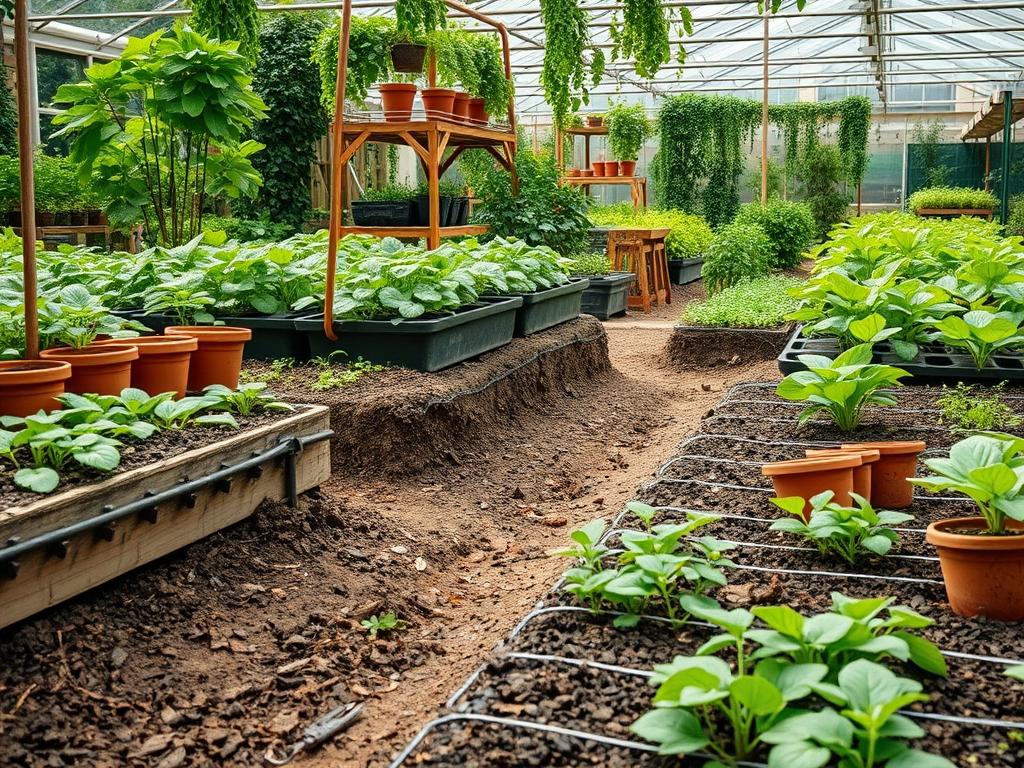
Modern landscape architecture begins beneath the soles of your boots. While many homeowners focus on the aesthetic allure of floral arrangements or the sleek lines of a modern patio, the structural integrity of an outdoor environment depends entirely on the vitality of the substrate. Achieving a high performance garden requires a deep understanding of garden spading basics, as this manual process dictates the porosity, nutrient availability, and drainage capacity of your soil. Without proper soil preparation, even the most expensive specimens are likely to suffer from stunted growth or root rot. By integrating thoughtful soil management with professional design principles, you can transform a stagnant yard into a thriving ecosystem that enhances both curb appeal and property value.
When we approach a new project, we look at the soil not as dirt, but as a living medium that requires physical intervention to reach its peak functional potential. Urban environments often suffer from heavy compaction due to construction traffic or historic neglect. This is where the manual intervention of spading becomes a critical tool for the consultant. It is the bridge between a raw site and a polished landscape. Effective spading breaks up the dense layers of clay or silt, allowing oxygen to reach the rhizomes and enabling the complex microbial life that feeds your plants. In this professional guide, we will explore the intersection of architectural planning and subgrade health to ensure your outdoor living space remains resilient through the changing seasons.
Landscape Design Principles
A successful landscape relies on a hierarchy of visual and structural elements that guide the viewer through the space. Symmetry often serves as the backbone of formal gardens, providing a sense of order and calm. To achieve this, we use focal points such as a high quality specimen tree, a water feature, or a sculptural installation to anchor the gaze. However, the success of these focal points is contingent on the elevation layers surrounding them. By varying the height of plantings, from low lying ground covers to mid level shrubs and towering canopies, we create depth and intrigue.
Elevation is not merely about plant height; it involves the physical grading of the terrain. Proper grading ensures that water moves away from the foundation of the home and toward designated drainage zones or rain gardens. This architectural necessity must be planned alongside your irrigation systems. We often integrate walkways as both functional paths and visual dividers that reinforce the balance of the site. Whether you use natural flagstone or modern pavers, these hardscape elements must be balanced with softscape textures. A well designed landscape feels like an extension of the interior architecture, maintaining a consistent flow that prioritizes visibility, accessibility, and environmental stewardship.
Plant and Material Selection
| Plant Type | Sun Exposure | Soil Needs | Water Demand | Growth Speed | Maintenance Level |
| :— | :— | :— | :— | :— | :— |
| Buxus microphylla | Full Sun to Part Shade | Loamy, Well-Drained | Moderate | Slow | High (Pruning) |
| Echinacea purpurea | Full Sun | Sandy or Clay Loam | Low | Moderate | Low |
| Pachysandra terminalis | Deep Shade to Part Shade | Rich, Acidic | Moderate | Fast | Low |
| Cornus sericea | Full Sun to Part Shade | Moist, Boggy | High | Fast | Moderate |
| Lavandula angustifolia | Full Sun | Gritty, Alkaline | Low | Moderate | Moderate |
| Hydrangea macrophylla | Part Shade | High Organic Matter | High | Moderate | High |
Implementation Strategy
The transition from a design concept to a physical garden starts with a rigorous layout plan. We begin by flagging the perimeter and identifying the locations of underground utilities. Once the site is cleared, the process of grading provides the necessary slope for runoff management. This is the stage where garden spading basics are most effectively applied. Using a Square Point Shovel or a Spading Fork, you should work the soil to a depth of at least 12 inches. The goal is to turn the earth while incorporating organic matter, such as aged compost or leaf mold, into the top layer.
After the primary soil work is complete, we install edging to create clean transitions between turf, garden beds, and hardscapes. Steel or heavy duty plastic edging prevents the migration of grass into your meticulously prepared beds. Drainage systems, such as French drains or catch basins, should be installed before any heavy planting begins. When it is time to place the plants, ensure that the root balls are set at the correct depth; the flare of the trunk should be level with or slightly above the soil surface. Finally, we apply a consistent layer of mulch. A depth of 3 inches of bark mulch or wood chips is the industry standard for moisture retention and weed suppression. Do not pile mulch against the stems of plants, as this can encourage fungal pathogens and decay.
Common Landscaping Failures
One of the most frequent errors we observe in residential landscapes is improper drainage. When water pools in a garden bed, it displaces the oxygen in the soil pores, effectively drowning the plant roots. This is often caused by a failure to address the subsoil compaction during the initial spading phase. Another common issue is root overcrowding. It is tempting to plant closely for immediate impact, but this often leads to stunted growth and competition for resources within three to five years. Always follow the spacing recommendations based on the mature width of the species.
Irrigation inefficiencies also plague many high end installations. Over watering is just as detrimental as under watering, particularly in heavy clay soils where drainage is sluggish. We also frequently see what is known as mulch volcanoes, where excessive mulch is piled against the base of trees. This practice traps moisture against the bark and creates a bridge for wood boring insects. Finally, many gardeners overlook the importance of native plants. Non native species often require excessive chemical inputs and water to survive, whereas native selections are adapted to the local climate and soil conditions, providing a more sustainable and low maintenance result.
Seasonal Maintenance
Maintenance is a year round commitment that evolves with the weather. In the spring, the focus is on rejuvenation. This is the ideal time for light aeration of the soil and the application of a slow release fertilizer to support new growth. We recommend inspecting irrigation lines for winter damage and clearing any debris from drainage grates. As we transition into summer, the priority shifts to moisture management and weed control. During periods of extreme heat, deep watering in the early morning hours is essential to minimize evaporation and heat stress.
Autumn is the season for soil amendments and structural pruning. This is the best time to perform secondary garden spading, where you can incorporate fallen leaves or compost back into the beds to break down over the winter. Removing dead or diseased wood from trees and shrubs now will prevent winter breakage from snow or ice loads. In the winter, the landscape enters a period of dormancy. While the plants are resting, the landscape architect focuses on hardscape inspections. Check retaining walls for shifting and ensure that walkways remain level to prevent trip hazards. This cycle of care ensures that the structural and biological components of the garden remain in harmony.
Professional Landscaping FAQ
What is the primary benefit of spading over tilling?
Spading is less destructive to the soil structure and beneficial earthworm populations. While tilling can create a hardpan layer beneath the surface, manual spading allows for better aeration and deeper integration of organic matter without pulverizing the soil aggregates.
How often should I test my soil pH?
Perform a soil test every two to three years. Knowing your pH and nutrient levels allows you to make precise adjustments with lime or sulfur. This ensures that your plants can actually uptake the minerals present in the ground.
What is the best way to prevent soil compaction?
Limit foot traffic on garden beds and avoid working the soil when it is overly saturated. High moisture levels make soil particles more prone to squeezing together, which collapses the air pockets necessary for healthy root respiration and drainage.
When should I use a retaining wall?
Use a retaining wall when the slope of your land exceeds a thirty degree angle or when you need to create level tiers for planting. They are essential for preventing erosion and managing lateral earth pressure on steep residential lots.
Why is mulch depth so important for soil health?
Correct mulch depth, specifically two to four inches, regulates soil temperature and prevents moisture loss. Thin layers fail to suppress weeds, while excessively thick layers can prevent water from reaching the soil and may suffocate the root systems below.