
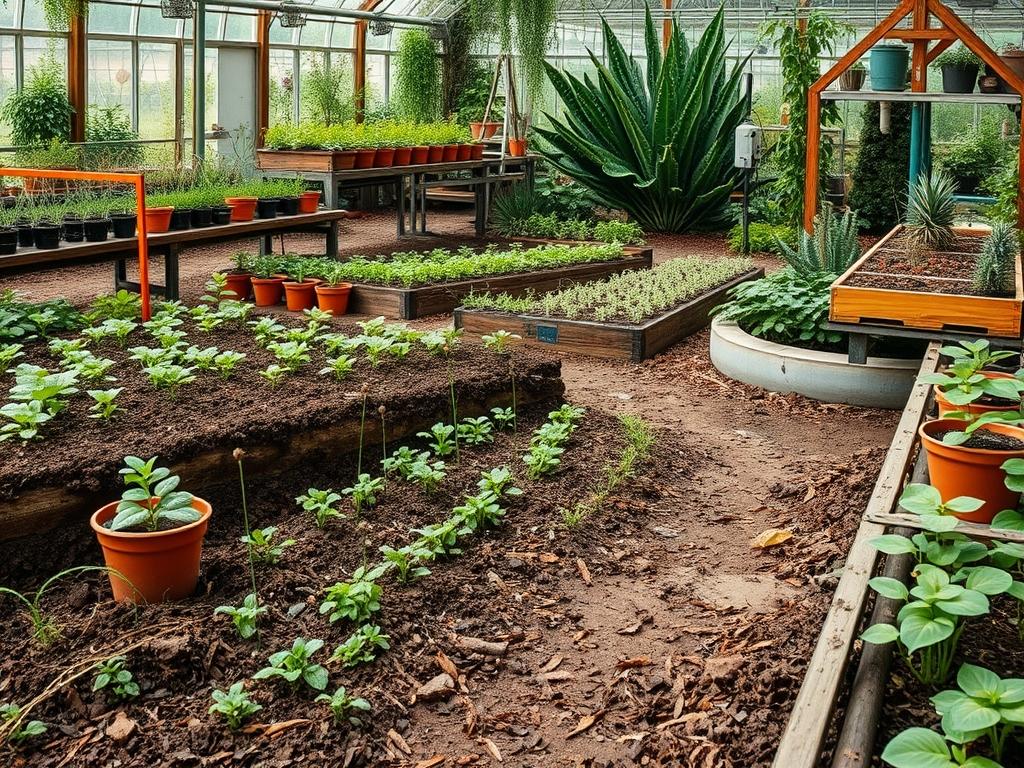
Understanding the foundational composition of your land is the primary requirement for any successful outdoor environment project. When we discuss the process of Identifying Sandy Soil, we are looking specifically for a texture that feels gritty to the touch and a structure that refuses to hold a shape when squeezed. In a professional landscaping context, sandy soil presents both a unique set of challenges and a handful of distinct advantages. While it offers exceptional aeration and prevents the root rot often associated with heavy clays, its low water retention and rapid nutrient leaching require a specialized approach to design and maintenance. For a homeowner looking to increase curb appeal or a developer aiming for a functional outdoor living space, recognizing these properties early prevents costly mistakes in plant selection and irrigation infrastructure.
To verify if your site is dominated by sand, you should perform a simple jar test. Fill a glass jar halfway with a soil sample, add water and a pinch of detergent, then shake it vigorously. Because sand particles are the largest and heaviest of all soil components, they will settle at the bottom of the jar within seconds. This rapid sedimentation is a clear indicator of high sand content. From a functional standpoint, sandy soil is often found in coastal regions or areas with high glacial deposits. It warms up quickly in the spring, allowing for an earlier growing season, but it also cools down fast at night. This thermal volatility means the landscape architect must consider microclimates and the placement of thermal masses like Natural Stone or Concrete Pavers to help stabilize ground temperatures for more sensitive species.
Landscape Design Principles
In environments characterized by sandy soil, landscape design must prioritize stability and moisture management. Because sand shifts easily, creating a sense of permanence requires the strategic use of Hardscaping. Incorporating Retaining Walls can help manage elevation changes and prevent erosion, which is a common problem when sandy slopes are exposed to wind or heavy rainfall. Symmetry in these environments is often achieved through the use of structural plants that can anchor the visual field. Using Boulders as focal points provides a sense of weight and gravity that the loosely packed soil lacks.
Elevation layers are particularly effective in sandy landscapes. By creating raised beds using Timber Sleepers or Stone Blocks, you can import specialized soil mixes to support a wider variety of plants while still benefiting from the excellent drainage of the natural sandy base. Walkways should be constructed with a stable sub-base. Utilizing Geotextile Fabric beneath a layer of Crushed Gravel or Flagstone ensures that your paths do not sink or shift over time. Visual balance is maintained by mixing the fine textures of drought-tolerant grasses with the bold, architectural leaves of desert-adapted species.
Irrigation planning in these zones must be incredibly precise. Traditional overhead sprinklers are often inefficient in sand because the water evaporates or infiltrates the ground too quickly for the roots to capture it. A Drip Irrigation System is the professional standard for sandy sites. By delivering water directly to the root zone at a slow, controlled rate, you minimize waste and ensure the plant receives the hydration it needs before the liquid vanishes into the deep subsoil layers.
Plant and Material Selection
| Plant Type | Sun Exposure | Soil Needs | Water Demand | Growth Speed | Maintenance Level |
| :— | :— | :— | :— | :— | :— |
| Lavender | Full Sun | Sandy/Gritty | Low | Fast | Low |
| Russian Sage | Full Sun | Well-Drained | Very Low | Moderate | Low |
| Yucca | Full Sun | Sandy/Dry | Minimal | Slow | Minimal |
| Butterfly Bush | Full Sun | Average/Sandy | Low | Very Fast | Moderate |
| Stonecrop (Sedum) | Full Sun | Poor/Sandy | Low | Moderate | Minimal |
| Red Hot Poker | Full Sun | Sandy/Loam | Moderate | Moderate | Moderate |
| Blanket Flower | Full Sun | Sandy/Well-Drained | Low | Fast | Low |
| Ornamental Grass | Full/Part Sun | Versatile/Sand | Moderate | Fast | Low |
Implementation Strategy
Planning a backyard layout on sandy soil begins with grading. You must ensure that the slope leads water away from any permanent structures, even though sand drains quickly. Because of the high infiltration rate, your grading can be less aggressive than in clay-heavy areas, but it still requires a Transit Level or Laser Level to ensure accuracy across the site. Once the grade is established, the use of Edging Materials is vital. Steel Edging or Plastic Paver Restraints act as a subterranean barrier that prevents the sand from migrating into your garden beds or undercutting your walkways.
When you begin the planting phase, the application of organic matter is non-negotiable. Dig a hole twice as wide as the root ball using a Sharpshooter Spade. Mix the native sand with high-quality Compost or Aged Manure at a ratio of one part organic matter to two parts sand. This modification improves the Cation Exchange Capacity (CEC) of the soil, which allows it to hold onto nutrients like nitrogen and potassium rather than letting them wash away during the first rain.
The finishing touch for any sandy landscape is a thick layer of mulch. Use Wood Chips or Shredded Bark at a depth of at least 3 inches. This layer acts as an insulator, reducing surface evaporation and keeping the root zones cool during the peak of summer. For a more modern or coastal look, a Pea Gravel mulch can also be effective, though it does not provide the same nutrient benefits as organic options.
Common Landscaping Failures
The most frequent mistake made when Identifying Sandy Soil is the attempt to change its texture by adding clay. This often results in a substance similar to low-grade concrete, which ruins drainage and prevents root penetration. Instead of changing the texture, you should focus on increasing the organic content. Another common failure is nutritional neglect. Because sand has very little chemical surface area to hold onto minerals, plants can quickly become chlorotic or stunted. Regular applications of a Slow-Release Fertilizer are necessary to provide a steady stream of nutrients.
Over-irrigation is another pitfall. Homeowners often see the surface of sandy soil drying out within an hour of watering and assume the plants are thirsty. However, frequent light watering encourages shallow root systems. It is much better to water deeply and less often, forcing roots to grow further down into the cooler, moister layers of the earth. Finally, ignoring wind erosion is a critical error. In open, sandy areas, the wind can literally blow the soil away from the base of new plantings. Utilizing Windbreaks or Privacy Fencing can protect your investment during the critical establishment phase.
Seasonal Maintenance
Spring maintenance in a sandy garden involves the heavy lifting of soil amendment. This is the time to top-dress your beds with another inch of Compost. Check your Drip Emmitters for clogs caused by fine sand particles that may have entered the lines during the winter. As the weather warms, perform a soil test to determine the pH levels, as sandy soils can often become overly acidic or alkaline depending on the local bedrock.
Summer requires a focus on moisture monitoring. Use a Soil Moisture Meter to check the hydration levels at a depth of 6 inches. If the meter shows the ground is dry at that level, increase the duration of your irrigation cycles. This is also the time to monitor for pests, as many drought-stressed plants become more susceptible to infestation.
Autumn is the season for stabilization. Clean up fallen debris but leave a thin layer of organic matter to decompose over the winter. If you are in a region with high winds, consider applying a Tackifier or planting a Cover Crop like winter rye to hold the topsoil in place. Ensure all Perennials are well-mulched to protect them from the freeze-thaw cycles that can heave plants out of loose, sandy ground.
Winter management is primarily about protection and planning. In coastal areas, salt spray can accumulate in sandy soil. If you experience a dry winter, a deep watering during a mid-season thaw can help leach excess salts out of the root zone. Inspect your Hardscaping for any signs of shifting. If a Retaining Wall starts to lean, it is a sign that the sandy backfill is not draining properly or that the hydrostatic pressure has increased.
Professional Landscaping FAQ
How can I tell if my soil is mostly sand?
Squeeze a moist handful of soil. If it crumbles and falls apart immediately when you release your grip, it has a high sand content. You will also notice a gritty texture and very rapid water drainage during a rainstorm.
Do I need to water sandy soil more often?
Yes, but the method matters. Sandy soil does not hold moisture well, but you should avoid frequent shallow watering. Instead, use a Drip System to deliver deep, consistent hydration that encourages roots to grow deep into the ground.
What are the best amendments for sandy soil?
The most effective way to improve sand is by adding organic matter. Compost, Sphagnum Peat Moss, and Aged Manure increase water retention and provide the nutrients that pure sand lacks. Apply these annually for the best results in your garden.
Can I grow vegetables in sandy soil?
Many root vegetables, like Carrots and Radishes, thrive in sand because it allows them to grow straight without hitting clods. However, heavy feeders like Tomatoes will require significant amounts of added Compost and regular fertilization to produce a crop.
Is sandy soil good for hardscaping?
Sandy soil provides a very stable, non-expansive base for Pavers and Stone Paths. It does not heave as much as clay during freezes. However, you must use Edge Restraints to prevent the sand from shifting out from under the stones.