
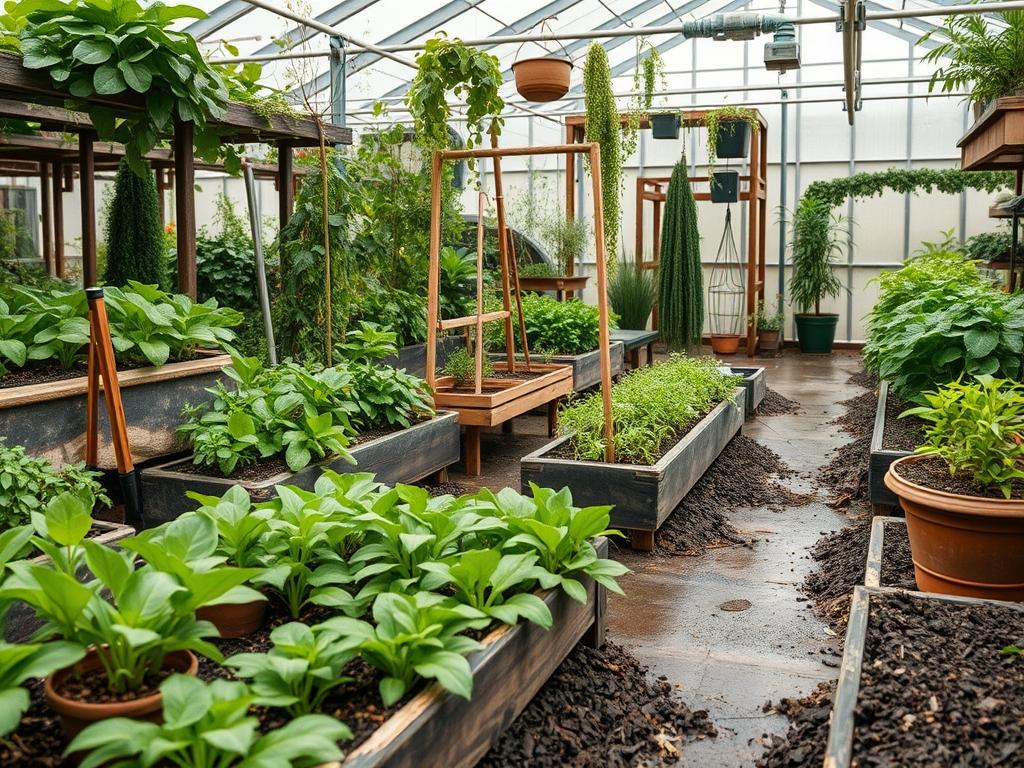
Modern landscape architecture demands more than just aesthetic placement; it requires a deep understanding of plant physiology and soil health to ensure long term sustainability. When we design high end outdoor environments, the transition from construction to maturity is often the most vulnerable phase for a garden. This is where Liquid Seaweed Fertilizer serves as a vital tool. It acts as a bridge between the shock of installation and the establishment of a thriving ecosystem. Whether you are dealing with a coastal property facing salt spray or an inland estate with compacted clay, the application of cold pressed kelp extracts can fundamentally change how plants recover from transplant stress and environmental fluctuations. Professional designers use these biostimulants not just for growth, but to enhance the deep green hues that create immediate curb appeal and to ensure that the functional goals of the landscape, such as privacy screening and erosion control, are met within the first few growing seasons.
Landscape Design Principles
Successful landscaping relies on a foundation of structural balance and biological health. Symmetry and focal points are the visual anchors of any design, but they lose their impact if the plant material appears stunted or chlorotic. We often use Liquid Seaweed Fertilizer to provide a rapid micronutrient boost that regular granular fertilizers cannot offer. This is particularly important for focal points like a Specimen Tree or a formal Hedge, where any sign of nutrient deficiency can disrupt the visual rhythm of the entire space.
Elevation layers also play a critical role in how we perceive depth in a backyard. By using foliar feeds, we can ensure that the lower canopy of shrubs remains as vibrant as the taller overstory trees. This prevents the “leggy” appearance often seen in neglected landscapes. Furthermore, integrating liquid applications into your Irrigation Planning allows for more precise control over nutrient delivery. Using fertigation systems, which inject fertilizers directly into Drip Lines, ensures that the root zones of premium installments receive consistent support. Walkways and hardscaping should always be complemented by lush, overhanging greenery that softens the edges of Stone Pavers and Concrete Retaining Walls, creating a sensory balance between the fluid organic life and the rigid structural elements.
Plant and Material Selection
Selecting the right plant for the right place is the most important decision a landscape architect makes. The following table outlines how different species respond to various environmental factors and where a nutrient boost is most beneficial.
| Plant Type | Sun Exposure | Soil Needs | Water Demand | Growth Speed | Maintenance Level |
| :— | :— | :— | :— | :— | :— |
| Boxwood Shrub | Full Sun to Part Shade | Well drained, Loamy | Moderate | Slow | Medium |
| Japanese Maple | Filtered Sunlight | Slightly Acidic | High during Summer | Moderate | High |
| Tall Fescue Grass | Full Sun | Deep, Fertile | Consistent | Fast | High |
| Lavender | Full Sun | Sandy, Gritty | Low | Moderate | Low |
| Ornamental Grass | Full Sun | Adaptable | Low to Moderate | Fast | Low |
Implementation Strategy
The implementation phase begins with proper site preparation. Before any Liquid Seaweed Fertilizer is applied, the Grading of the land must be checked to ensure that water moves away from the foundation of the home. Once the terrain is shaped, define your beds with Steel Edging or Cored Headers to prevent turf encroachment. When the plants are in the ground, apply a 3 inch Layer of Cedar Mulch to regulate soil temperature.
To use the seaweed concentrate effectively, mix 2 tablespoons of the extract per 1 gallon of water inside a Pressure Sprayer. For large scale applications, a Hose-end Applicator set to a 1 to 50 dilution ratio is more efficient. Spray the mixture directly onto the leaves early in the morning when the stomata, which are the tiny pores on the leaf surface, are most receptive. This foliar feeding technique bypasses the soil transit time, allowing the plant to absorb trace elements like magnesium, zinc, and iron almost immediately. This is the secret to getting that “instant” green effect after a long winter or back to back heatwaves.
Common Landscaping Failures
One of the most frequent mistakes in professional landscaping is ignoring the physical state of the soil. Soil Compaction caused by heavy construction machinery creates an anaerobic environment where roots cannot breathe. Even the best Liquid Seaweed Fertilizer cannot fix a plant that is drowning in a “bathtub” of clay. Proper Drainage must be addressed through the installation of French Drains or Dry Creek Beds if the natural percolation rate is too slow.
Another common failure is root overcrowding. Designers sometimes overplant a space to make it look full on day one, but within 3 years, the plants begin to compete for light and nutrients. This competition leads to a decline in health and increased susceptibility to pests. Improper spacing also interferes with air circulation, which invites fungal pathogens. Finally, irrigation inefficiencies, such as overwatering Xeric Plants or underwatering Hydrophilic Species, can lead to root rot or total desiccation. Always group plants with similar water needs in specific Hydrozones to maximize the efficiency of your Smart Irrigation Controller.
Seasonal Maintenance
Landscape management is a year round commitment that changes with the light and temperature. In the spring, your focus should be on breaking dormancy. This is the ideal time for a heavy application of seaweed to stimulate microbial activity in the soil and support new bud development. As we move into summer, the goal shifts to stress mitigation. High temperatures can cause “physiological drought” where the plant cannot pull water fast enough to keep up with evaporation. Monthly applications of seaweed act as an anti-transpirant, strengthening the cell walls of the foliage to better withstand the sun.
When autumn arrives, the focus turns to root fortification. While the top growth slows down, the roots are actively storing energy for the winter. Applying a final soak of Liquid Seaweed Fertilizer in late September helps the plant accumulate the sugars and minerals needed to survive deep freezes. During the winter months, maintenance involves protecting the structural elements. Check your Retaining Walls for shift due to freeze-thaw cycles and ensure that Burlap Wraps are in place for sensitive evergreens. Winter is also the best time to clean your Pruning Shears and Loppers with Isopropyl Alcohol to prevent the spread of disease in the following season.
Professional Landscaping FAQ
How often should I apply liquid seaweed to my garden?
For most landscapes, an application every 2 to 4 weeks during the active growing season is optimal. This provides a steady supply of hormones and micronutrients without the risk of salt buildup found in synthetic chemical fertilizers.
Can I use liquid seaweed on my lawn?
Yes, it is excellent for turf. It improves heat tolerance and root depth. Apply it using a Hose-end Sprayer during the cooler parts of the day to avoid leaf burn and to ensure maximum absorption by the grass blades.
Does seaweed fertilizer replace traditional NPK fertilizers?
No, think of seaweed as a vitamin supplement rather than a full meal. While it contains over 60 trace minerals, it is low in nitrogen, phosphorus, and potassium. Use it alongside a high quality organic granular fertilizer for best results.
Will liquid seaweed help a dying plant recover?
It can significantly aid recovery if the issue is environmental stress or nutrient deficiency. It stimulates root growth and helps the plant produce chlorophyll. However, it cannot save a plant with a severe fungal infection or total root rot.
Is liquid seaweed safe for pets and local wildlife?
Seaweed extracts are generally non toxic and organic. Because they are derived from natural marine sources, they do not pose the same risks as concentrated synthetic nitrates. Always allow the foliage to dry before letting pets back into the area.