
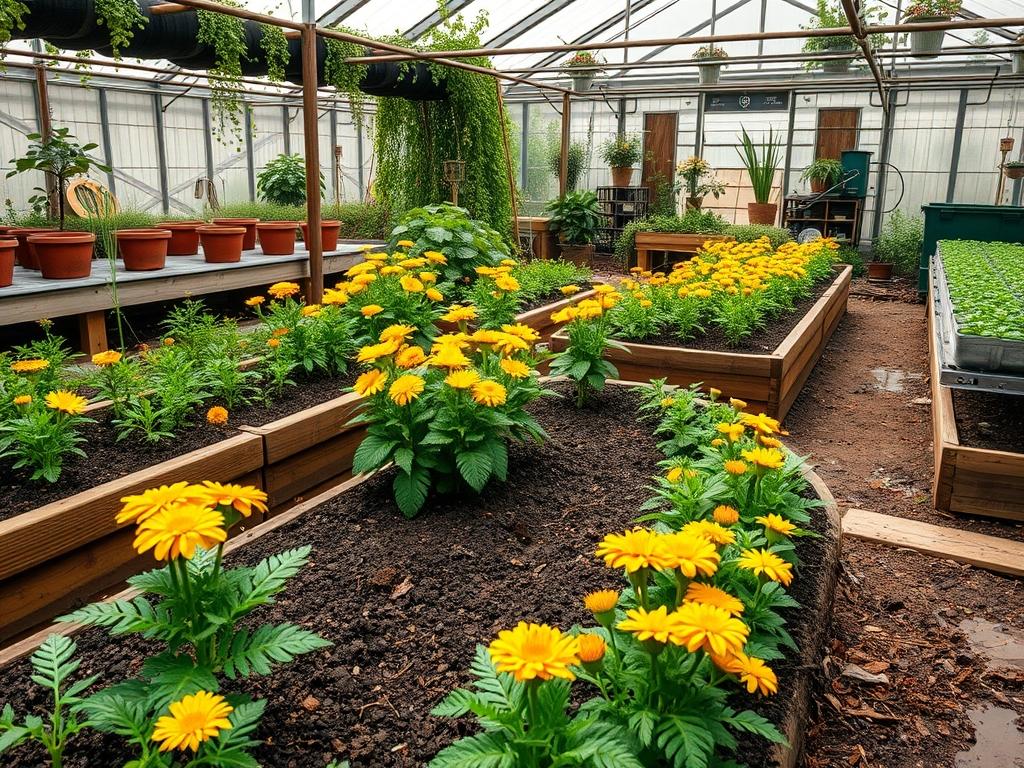
Achieving a professional grade landscape requires moving beyond simple aesthetic choices and addressing the fundamental biological needs of the site. When planning a high impact garden, the foundation of every thriving floral display is the substrate. For architects and consultants, the Best Soil for Calendula is often the benchmark for a successful installation because it requires a precise balance of drainage and nutrient density. Calendula, while hardier than many ornamental annuals, serves as a vital component in curb appeal strategies due to its vibrant hues and long flowering period. To integrate these blooms into a functional outdoor living space, one must consider the topography, the existing soil structure, and the microclimates created by the building’s architecture and hardscaping. A well planned landscape does more than just look attractive; it manages stormwater, provides pollinator habitats, and enhances the overall property value through sustainable horticultural practices.
Whether you are designing a suburban backyard or a commercial courtyard, the functionality of the greenery depends on the preparation of the site. Curb appeal is often the primary goal, but long term success is found in the drainage and irrigation plans that support the vegetation. Choosing the right soil environment ensures that these plants do not just survive but thrive throughout the growing season, resisting pests and diseases that commonly strike weakened specimens.
Landscape Design Principles
In the realm of professional landscaping, symmetry and focal points act as the anchors of a visual narrative. When incorporating Calendula officinalis, designers often use them in bold drifts to create a sense of movement along walkways or as a colorful border for retaining walls. Symmetry can be achieved by flanking an entrance with identical raised planters filled with a uniform soil mix, ensuring that growth rates remain consistent on both sides. focal points, such as a large stone fountain or a specimen tree, can be highlighted by a low growing carpet of gold and apricot blooms that draw the eye toward the center of the composition.
Elevation layers are equally critical in a multi dimensional garden design. By utilizing retaining walls or mounded berms, you can create varying heights that allow smaller plants like Calendula to be seen clearly without being overshadowed by taller shrubs or ornamental grasses. This layering also aids in irrigation planning. Plants with higher water needs can be grouped in lower elevations where moisture naturally collects, while those requiring the Best Soil for Calendula, which prioritizes drainage, should be placed in slightly elevated or graded areas. Visual balance is maintained by contrasting the soft, fine texture of the flower petals with the coarse textures of flagstone or pea gravel paths.
Plant and Material Selection
Selecting the right materials involves more than just picking a color palette. You must match the physiological needs of the plants to the specific conditions of your site. Below is a guide for common species used in conjunction with high performance floral displays.
| Plant Type | Sun Exposure | Soil Needs | Water Demand | Growth Speed | Maintenance Level |
| :— | :— | :— | :— | :— | :— |
| Calendula | Full Sun | Loamy, Well-drained | Moderate | Fast | Low |
| English Lavender | Full Sun | Sandy, Alkaline | Low | Medium | Moderate |
| Boxwood Shrub | Part/Full Sun | Rich, Loamy | Medium | Slow | High |
| Salvia | Full Sun | Average, Gritty | Low | Fast | Low |
| Creeping Thyme | Full Sun | Rocky, Poor | Low | Medium | Low |
For the Best Soil for Calendula, professionals recommend a blend that consists of approximately 40 percent sand, 40 percent silt, and 20 percent clay. This ratio provides the necessary pore space for oxygen to reach the roots while retaining enough moisture to prevent wilting during the heat of the afternoon.
Implementation Strategy
The transition from a design on paper to a physical landscape begins with proper grading. The site should be sloped away from any permanent structures at a minimum of 2 percent grade to ensure that water does not pool near the foundation. Once the subgrade is established, the soil must be prepared. If the native earth is heavy clay, it is vital to incorporate organic compost and expanded shale to improve permeability.
Edging provides a clean break between the turf and the garden beds, preventing grass from encroaching on the floral displays. Metal or poured concrete edging offers a sleek, modern look that requires minimal upkeep. After the plants are positioned according to the design plan, a layer of mulch is applied. For Calendula, a 2 inch to 3 inch layer of shredded hardwood mulch or pine bark is ideal. This layer helps regulate soil temperature and suppresses weed growth, but it must be kept a few inches away from the stems of the plants to prevent crown rot. Irrigation should be installed using drip lines rather than overhead sprayers to minimize moisture on the foliage, which reduces the risk of powdery mildew.
Common Landscaping Failures
Failure in the landscape often stems from a lack of foresight regarding the subterranean environment. Drainage mistakes are the most frequent cause of plant death. When soil is not properly amended, it can become a “bathtub,” holding water in a hole dug into heavy clay, which effectively drowns the root system. Soil compaction is another silent killer. During construction, heavy machinery often packs the earth so tightly that roots cannot penetrate and water cannot infiltrate. It is essential to use a mechanical aerator or a tiller to loosen the ground before planting.
Improper spacing is a common error made in the pursuit of immediate curb appeal. While a densely planted bed looks full on day one, it quickly leads to root overcrowding and a lack of airflow. This is particularly problematic for dense flowering plants, which require space for air to circulate to prevent fungal outbreaks. Finally, irrigation inefficiencies, such as watering for short durations daily rather than deep watering twice a week, result in shallow root systems that cannot withstand the stress of a dry summer.
Seasonal Maintenance
A professional landscape is not a static installation; it is a living system that requires seasonal management. In the spring, the focus should be on soil testing and the application of a balanced, slow release fertilizer. This is the time to clear away any winter debris and apply a fresh layer of mulch to prepare for the heat. For Calendula, spring is the time for direct sowing or transplanting once the risk of hard frost has passed.
During the summer, maintenance shifts to hydration and deadheading. Removing spent blooms from the Calendula encourages the plant to produce a second and third flush of flowers, extending the color late into the season. Autumn is the period for assessment and renovation. It is the best time to plant perennials and to collect seeds from your annuals. You should also aerate the soil and add a layer of compost to replenish the nutrients used during the peak growing months. In the winter, the goal is protection. Using evergreen boughs or straw to cover sensitive root zones can prevent the freeze and thaw cycles from heaving plants out of the ground.
Professional Landscaping FAQ
What is the best pH level for Calendula blooms?
The Best Soil for Calendula should maintain a pH level between 6.0 and 7.0. This slightly acidic to neutral range ensures that essential micronutrients like iron and magnesium remain chemically available to the plant for vibrant flower production.
How can I improve drainage in heavy clay soil?
To improve drainage for floral displays, incorporate organic matter such as compost or aged manure along with coarse sand or gypsum. Raising the planting bed by 6 to 12 inches also helps water move away from root zones.
Does Calendula require heavy fertilization to bloom?
No, Calendula prefers moderate fertility. Too much nitrogen can result in lush green foliage with very few flowers. A single application of a 5-10-10 fertilizer at the start of the season is usually sufficient for a professional display.
How often should I water my landscaping beds?
For established plants, provide approximately 1 inch of water per week. It is better to water deeply once or twice a week rather than light daily sprinkling, as this encourages the development of a deep, drought resistant root system.
What mulch is best for ornamental flower beds?
A finely shredded bark mulch is best for ornamental beds. It decomposes slowly, adds nutrients to the soil over time, and provides a clean, dark backdrop that makes the bright colors of the flowers pop visually for better curb appeal.