
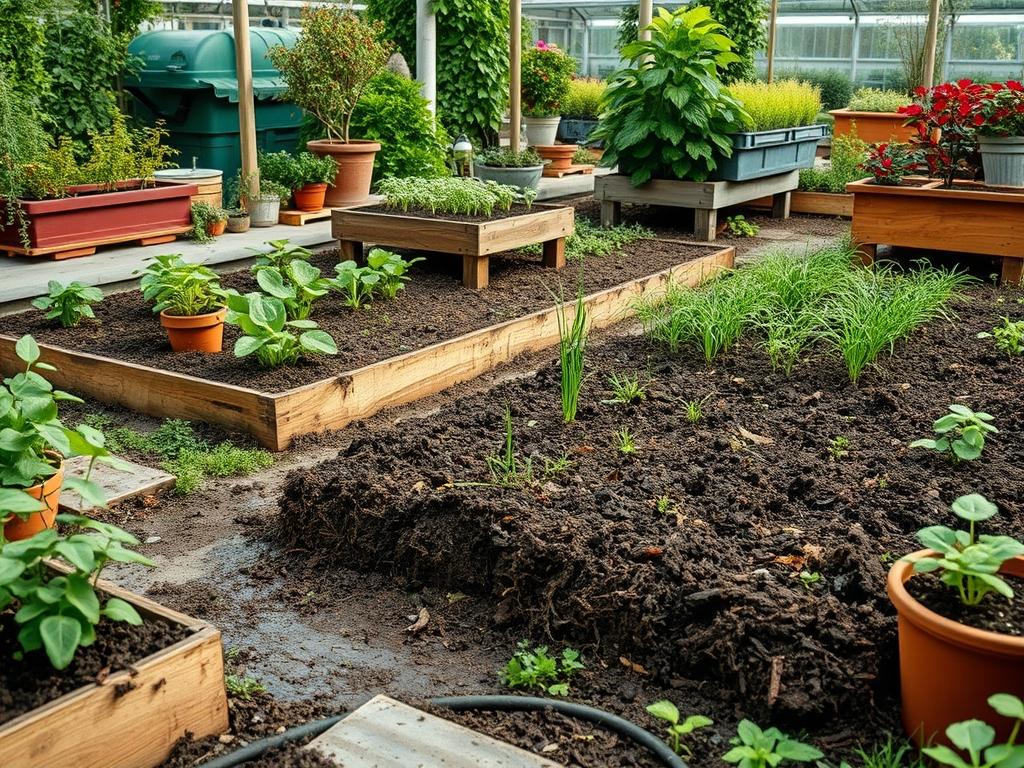
Maintaining a world class landscape requires a deep understanding of the invisible structures beneath the surface. While many property owners focus on the aesthetic arrangement of floral beds and the sharp geometry of hardscaping, the biological foundation of a vibrant outdoor environment is the soil. Aerating your lawn soil is not merely a maintenance task; it is a critical intervention that addresses the physical limitations of the earth to support life. In high demand environments, soil becomes compacted by foot traffic, heavy machinery, or seasonal weather cycles. This compaction collapses the tiny air pockets known as macropores, which are essential for the movement of oxygen, water, and nutrients. Without these void spaces, the root systems of even the hardiest Kentucky Bluegrass or Tall Fescue will suffocate, leading to a visible decline in curb appeal and structural integrity.
The challenge for the modern landscape consultant is balancing the functional needs of the soil with the aesthetic goals of the client. A compacted lawn often results in poor drainage and the pooling of water near retaining walls or walkways, which can compromise the stability of expensive installations. By integrating a professional aeration schedule into the broader landscape management plan, we ensure that the investment in high quality plant material and architectural features is protected. Proper aeration facilitates gas exchange in the rhizosphere, allowing carbon dioxide to escape and oxygen to enter, while simultaneously improving the infiltration rate of irrigation systems. This proactive approach transforms a struggling lawn into a resilient, self sustaining ecosystem that serves as the perfect backdrop for sophisticated outdoor living.
Landscape Design Principles
In the realm of high end landscape architecture, the lawn serves as the negative space that defines the positive elements of the design. Achieving visual balance requires a uniform, healthy turf that complements focal points such as statuary, fountains, or specimen trees. Symmetry in a garden layout is easily disrupted by patchy or discolored grass, which is why soil porosity is a primary concern during the planning phase. When we design elevation layers, we must consider how water moves across the site. Aeration ensures that the soil acts like a sponge rather than a slate, preventing runoff that could erode the precision of graded slopes or silt up decorative stone paths.
Irrigation planning must also account for the physical state of the lawn. An automated system is only as effective as the soil’s ability to absorb the moisture. We design irrigation zones with the understanding that aerated soil reduces the need for frequent, shallow watering, encouraging deeper root growth that stabilizes the land. Furthermore, the placement of walkways and pavers creates natural pinch points for soil compaction. Strategically aerating these high traffic corridors allows the landscape to maintain its inviting, lush appearance even under heavy use. By prioritizing the invisible health of the soil, we create a landscape that is not only beautiful but also structurally sound and environmentally responsible.
Plant and Material Selection
| Plant Type | Sun Exposure | Soil Needs | Water Demand | Growth Speed | Maintenance Level |
| :— | :— | :— | :— | :— | :— |
| Kentucky Bluegrass | Full Sun | Well Drained Loam | Moderate to High | Moderate | High |
| Tall Fescue | Full/Partial Sun | Deep, Clay Mix | Moderate | Fast | Medium |
| Boxwood Shrub | Partial Shade | Slightly Acidic | Low to Moderate | Slow | Low |
| Zoysia Grass | Full Sun | Sandy/Loamy | Low | Slow | Medium |
| Purple Coneflower | Full Sun | Poor to Average | Low | Moderate | Very Low |
| Creeping Thyme | Full Sun | Gritty/Dry | Very Low | Fast | Low |
Implementation Strategy
The process of aerating your lawn soil begins with a site analysis to determine the level of compaction. We look for areas where water stands for more than a few hours after rain or where the ground feels impenetrable underfoot. The most effective professional method is core aeration. Unlike spike aeration, which can actually increase compaction by pushing soil aside, a Core Aerator removes small plugs of turf and soil, typically measuring 0.5 inches in diameter and 2 to 3 inches in length. These holes provide immediate relief for the root zone and create channels for top dressing materials to enter the soil profile.
Before commencing the operation, the landscape must be prepared. This involves marking all underground utilities, irrigation heads, and shallow root systems of valuable ornamental trees to avoid mechanical damage. The soil should be moist but not saturated; a light watering twenty four hours before the project usually provides the ideal consistency for the Core Aerator to pull clean plugs. We recommend a double pass pattern, moving the machine in north to south lines, followed by east to west lines, to ensure maximum hole density. Once the aeration is complete, the plugs can be left on the surface to decompose, returning valuable organic matter to the lawn. This is also the optimal window for applying a High Phosphorus Starter Fertilizer and Top Dressing such as a 70/30 mix of Masonry Sand and Organic Compost. This mixture fills the newly created voids, permanently altering the soil structure and preventing the surrounding earth from collapsing back into a compacted state.
Common Landscaping Failures
The most frequent failure in residential landscapes is the neglect of drainage dynamics. When soil is not aerated, it develops a layer of thatch or compacted clay that acts as a waterproof barrier. This leads to surface runoff that can damage the foundation of the home or wash away expensive Hardwood Mulch from garden beds. Another common mistake is root overcrowding. When plants are installed without considering their mature size, they compete for the limited oxygen available in compacted soil, leading to stunted growth and increased susceptibility to pests.
Furthermore, many homeowners attempt to aerate at the wrong time of year. Performing this task during the heat of midsummer can stress the grass beyond recovery, as the open holes allow moisture to evaporate from the root zone too quickly. Similarly, failing to flag irrigation lines results in costly repairs and disrupts the landscape’s water management. Finally, the use of improper equipment, such as hand-held spikes, often does more harm than good. These tools squeeze the soil to the sides of the hole, creating a “glazing” effect that further prevents water and air from reaching the roots. Professional landscape architects avoid these pitfalls by utilizing commercial grade mechanical aerators and timing the intervention with the grass’s natural growth cycle.
Seasonal Maintenance
Landscape management is a year round commitment that shifts with the seasons. In the spring, the focus is on revitalizing the lawn after winter dormancy. This is an ideal time for a light raking to remove debris and a soil test to determine the pH levels. If the soil is particularly heavy, a spring aeration can help wake up the root system. However, for those with cool season grasses, the primary aeration window is autumn. During this time, the air is cool but the soil remains warm, providing the perfect conditions for grass to recover and for new seeds to germinate in the aeration holes.
Summer maintenance involves managing heat stress. We adjust irrigation controllers to provide deep, infrequent watering cycles that encourage roots to reach further into the aerated soil. Mowing heights should be raised to 3.5 inches to shade the soil and reduce evaporation. As winter approaches, the goal shifts to protection. Clearing fallen leaves is essential, as a thick mat of foliage can suffocate the grass and promote fungal diseases. Applying a winterizing fertilizer with high potassium helps strengthen the cellular structure of the plants, ensuring they can withstand the freezing and thawing cycles that naturally move the soil.
Professional Landscaping FAQ
When is the best time to aerate my lawn?
For cool season grasses, early autumn is ideal when growth is vigorous. Warm season grasses should be aerated in late spring or early summer. Avoid aerating during periods of extreme heat or winter dormancy to prevent unnecessary plant stress.
Should I remove the soil plugs after aeration?
No, you should leave the cores on the lawn. They contain beneficial microorganisms and nutrients. Within one to two weeks, they will break down and integrate back into the soil, acting as a natural top dressing for your turf.
How often does a professional landscape need aeration?
High traffic lawns or those with heavy clay soil should be aerated annually. For sandy soils or low traffic areas, every two to three years is typically sufficient to maintain optimal soil structure and oxygen levels for the roots.
Can I aerate my lawn myself with a pitchfork?
While a Spading Fork can work for very small patches, it is inefficient for entire lawns. Manual tools often compact the soil further. Using a motorized Core Aerator is the professional standard for ensuring consistent, effective results across the landscape.
Will aeration damage my underground sprinkler system?
It can if the heads and lines are not properly marked. Always use Flagging Tape to identify the locations of irrigation heads, shallow pipes, and hidden valve boxes before operating heavy machinery to avoid mechanical damage and costly repairs.