
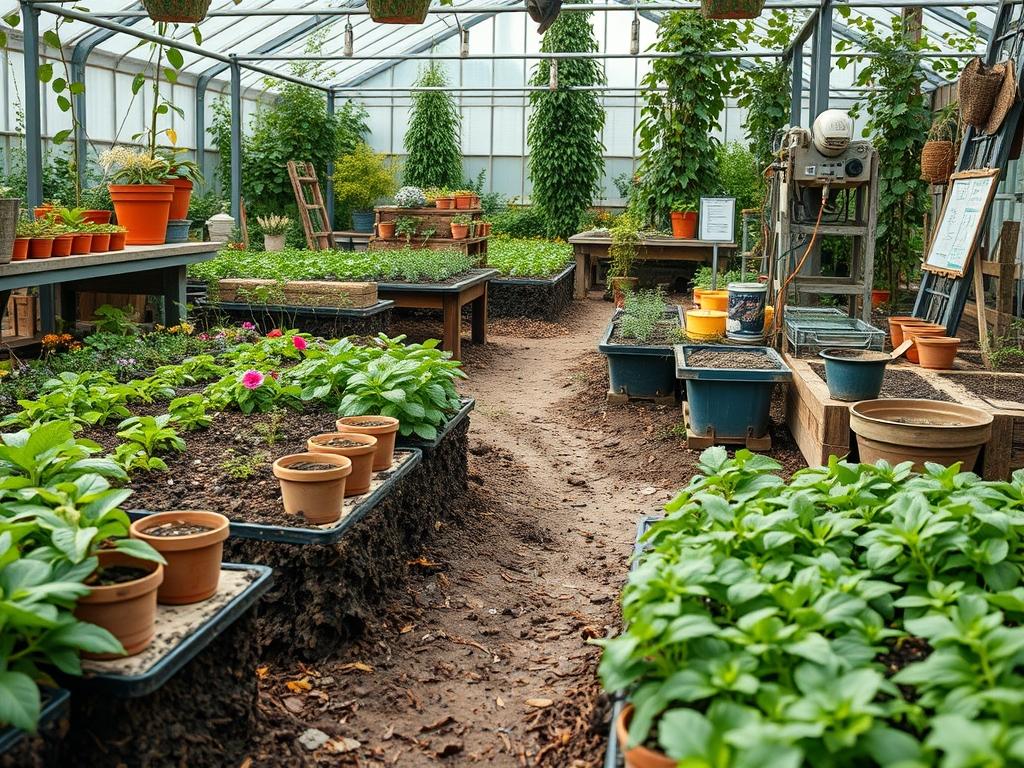
A landscape is only as resilient as the subterranean environment that supports it. When we design outdoor spaces, we often focus on the architectural hierarchy of elevation, the clean lines of hardscaping, and the immediate visual impact of curb appeal, yet the biological foundation frequently remains an afterthought. Soil mineral deficiencies act as a silent inhibitor to professional-grade results, manifesting as chlorosis, stunted terminal growth, or a failure of the living privacy screen to reach its intended density. For a landscape architect, recognizing these signs is not merely about plant health; it is about protecting the client investment. If the soil chemistry is unbalanced, even the most expensive Japanese Maples or Boxwood hedges will fail to perform their structural roles within the design.
Climate considerations play a pivotal role in how these deficiencies manifest. In regions with high rainfall, essential cations like calcium and magnesium often leach through the profile, leaving the soil acidic and nutrient-poor. Conversely, in arid climates, an accumulation of salts can lock out micronutrients, even if they are technically present in the substrate. To achieve a functional and aesthetically pleasing outdoor living space, we must treat the soil as a dynamic reservoir. Fixing these issues requires a transition from reactive fertilization to proactive soil management, ensuring that every trench and retaining wall backfill is optimized for long-term vitality.
Landscape Design Principles
In professional landscape architecture, we use vegetation to establish symmetry and focal points. When a specimen tree suffers from a nitrogen deficiency, its thinning canopy breaks the visual weight of the design, leading to an asymmetrical appearance that feels unplanned. Achieving visual balance requires that every layer of the softscape, from the groundcover to the overstory, exhibits uniform color and vigor. Groundcovers should provide a lush, carpet-like texture to soften the edges of natural stone walkways, while mid-level shrubs define the boundaries of outdoor rooms. If these plants show signs of mineral stress, such as the purple hued leaves of phosphorus deficiency, the intended color palette of the garden is compromised.
Elevation layers also rely on soil stability and nutrient availability. Steeper slopes often suffer from rapid runoff, which carries away the top layer of organic matter where most minerals reside. We counteract this through strategic irrigation planning and the use of terraced planters. By controlling the flow of water, we ensure that liquid-applied nutrients reach the root zones rather than ending up in the local storm drainage system. Furthermore, the placement of focal points, such as an ornate cast-iron fountain or a large granite boulder, should be complemented by healthy, vibrant foliage that frames the feature rather than distracting from it with sickly, yellowing leaves.
Plant and Material Selection
Selecting the right plant for the specific soil chemistry found on-site is more efficient than attempting to fundamentally change the geological makeup of the land. The following table outlines various species and their typical environmental requirements.
| Plant Type | Sun Exposure | Soil Needs | Water Demand | Growth Speed | Maintenance Level |
| :— | :— | :— | :— | :— | :— |
| White Oak | Full Sun | Deep, Loamy | Moderate | Slow | Low |
| English Lavender | Full Sun | Alkaline, Sandy | Low | Medium | Mid |
| Common Boxwood | Part Shade | Well-Drained | Moderate | Slow | High |
| Bigleaf Hydrangea | Part Shade | Acidic, Rich | High | Fast | Mid |
| Creeping Thyme | Full Sun | Gritty, Poor | Low | Fast | Low |
| River Birch | Full Sun | Wet, Acidic | High | Fast | Mid |
Implementation Strategy
The transition from a conceptual blueprint to a thriving backyard begins with site preparation. Before the first skid steer enters the property, a comprehensive soil test is mandatory. This analysis identifies the specific Soil Mineral Deficiencies present, allowing us to amend the ground before hardscaping restricts access. Once the baseline is established, grading and drainage become the priorities. We must ensure the site slopes away from structures at a minimum of a two percent grade to prevent waterlogging, which often leads to anaerobic conditions and nutrient lockout.
Edging and mulch depth are the next tactical steps. We use steel edging or poured concrete curbs to create clean transitions between turf and planting beds. This prevents the vigorous root systems of grasses from siphoning nutrients away from ornamental specimens. A consistent layer of shredded hardwood mulch, maintained at a depth of three inches, serves a dual purpose. It suppresses weed competition and slowly decomposes, returning organic matter and micronutrients to the soil. For areas with high-traffic walkways, we incorporate crushed granite or pea gravel over a substrate of compacted road base to ensure stability without compromising the surrounding soil structure.
Common Landscaping Failures
The most frequent error in residential landscaping is the failure to address soil compaction. During the construction of a new home, heavy machinery compresses the earth, destroying the pore spaces required for oxygen and water movement. This results in “bathtub syndrome,” where plants sit in stagnant water, leading to root rot and an inability to uptake minerals like iron and manganese. Another common mistake involves improper spacing. Planting Emerald Green Arborvitae too close together creates intense competition for limited soil minerals, leading to “die-back” in the center of the hedge where light and nutrients are most scarce.
Irrigation inefficiencies also contribute significantly to plant decline. Over-saturation can leach nitrates out of the root zone, while under-watering prevents the plant from transporting minerals from the soil into the vascular system. Furthermore, many homeowners ignore the pH of their irrigation water. If the water source is highly alkaline, it will gradually raise the soil pH, making essential minerals like zinc and boron chemically unavailable to the plants. Finally, root overcrowding against retaining walls or foundation footings can restrict the physical volume of soil available to a tree, causing hit-or-miss growth patterns that disrupt the overall design symmetry.
Seasonal Maintenance
Landscape management is a year-round commitment that shifts with the physiological needs of the plants. In the spring, the primary goal is jump-starting vegetative growth. This is the optimal time to apply a slow-release granular fertilizer based on the results of your soil test. We use core aerators on turf areas to relieve winter compaction and allow nutrients to penetrate deeper into the profile. As we move into summer, moisture management becomes the priority. We adjust drip irrigation timers to account for higher evaporation rates, ensuring that water-soluble minerals remain available during the peak heat.
Autumn is the season for soil building. Instead of removing all fallen leaves, we often recommend mulching them back into the turf or beds to recycle carbon and trace elements. This is also the best time to apply dolomitic lime or elemental sulfur to adjust pH levels, as these materials require several months to react with the soil chemistry. During the winter, the focus shifts to protection. We apply a fresh layer of pine straw or wood chips to insulate root systems from freeze-thaw cycles. For delicate evergreens, a topical anti-desiccant spray can prevent moisture loss, while the dormant season provides the perfect window for structural pruning with bypass loppers to remove any branches that showed signs of mineral-induced stress during the growing year.
Professional Landscaping FAQ
How do I identify nitrogen deficiency in my lawn?
Nitrogen deficiency typically appears as a general yellowing of the older, lower blades of grass first. The growth rate will significantly slow down, and the turf will lose its lush, carpet-like density, allowing weeds to encroach on the landscape design.
Can I fix soil pH issues immediately?
Soil chemistry changes slowly. While liquid soil acidifiers provide a temporary boost, most amendments like lime or sulfur take six months to a year to fully integrate. Consistent testing every two seasons is required for professional-level calibration of the site.
What is the best way to treat iron chlorosis?
Iron chlorosis is identified by yellow leaves with distinct green veins. For immediate results, use chelated iron as a foliar spray. For long-term structural health, you must lower the soil pH to unlock the iron already present in the ground.
Will over-mulching hurt my trees and shrubs?
Yes. Piling mulch against the trunk, often called “volcano mulching,” traps moisture against the bark and causes decay. It also prevents oxygen from reaching the roots, which interferes with nutrient uptake and can lead to the death of the specimen.
Why are my new plants failing despite good soil?
This is often due to “transplant shock” or a failure to break up the root ball. If the roots are circling the pot, they cannot expand into the native soil to access minerals. Always score the root system before planting in the trench.