
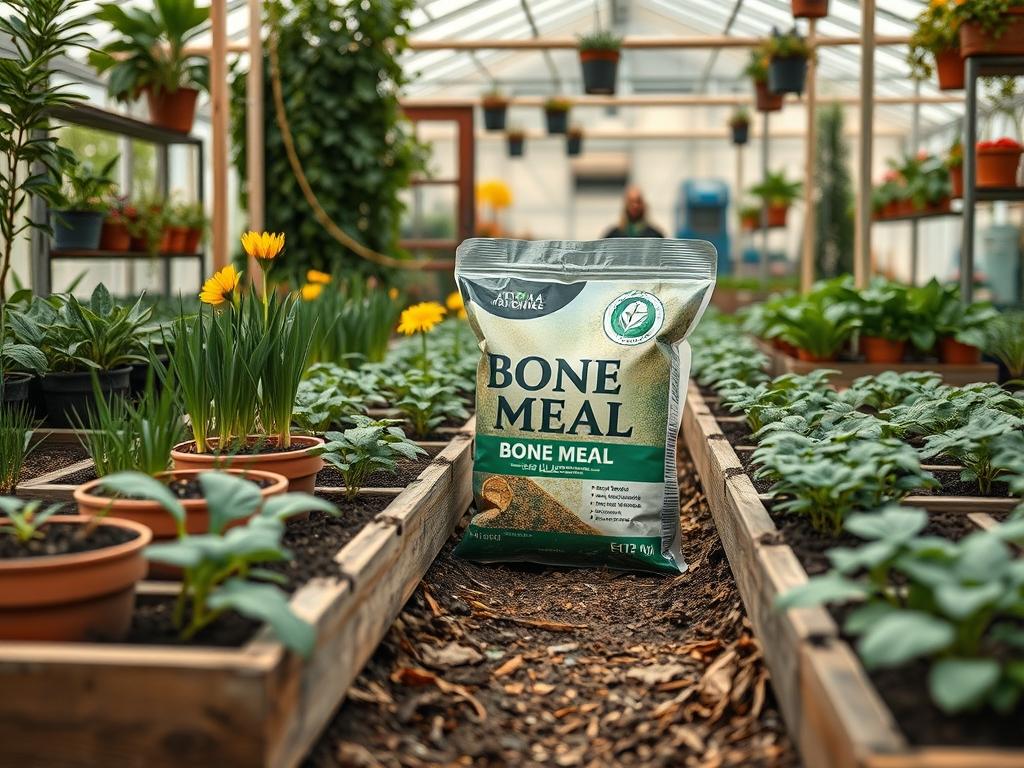
Landscape architecture is as much about what happens beneath the surface as it is about the visual composition above. Achieving an estate quality garden requires a deep understanding of soil amendments and their long term effects on plant vitality. When we plan for significant floral displays or structural root development, phosphorus becomes a critical player in that success. Bone meal serves as a cornerstone for building these foundations. It provides a slow release of nutrients that ensures bulbs survive the winter and emerge with enough energy to create a striking visual impact. This organic additive improves the structural integrity of the soil profile, supporting the ambitious curb appeal goals of a modern outdoor environment. For a professional consultant, the goal is to create a landscape that is both resilient and aesthetically superior, requiring a strategic approach to soil chemistry and drainage.
High end residential projects often face the challenge of poor native soil quality, frequently compacted by heavy machinery during construction. To combat this, we must look at Bone Meal for Bulbs not just as a fertilizer, but as a long term soil conditioner. It typically contains a high concentration of phosphorus, often labeled with an N-P-K ratio such as 3-15-0 or 2-12-0. This phosphorus is essential for ATP production, the energy currency of the plant, which is vital during the root expansion phase. Unlike synthetic fertilizers that can leach away through the irrigation system, bone meal stays in the soil, breaking down slowly over months as it is processed by soil microbes. This ensures that when the spring thaw arrives, the bulbs have immediate access to the fuel necessary for vigorous growth and large, vibrant blooms.
Landscape Design Principles
In professional landscape design, we prioritize symmetry and focal points to guide the viewer eyes through the property. Bulbs are often used as the ephemeral layer of a multi tiered planting plan. By using bone meal to strengthen these plants, we ensure that the focal points remain consistent year after year. Integration of bulbs into the elevation layers of a garden requires careful planning; they should be placed where they can peek through emerging perennials or provide a burst of color in front of evergreen hedges.
Visual balance is achieved when the density of the foliage matches the scale of the surrounding hardscaping. If the root systems of these bulbs are weak, the resulting height and spread of the flowers will be stunted, throwing off the intended proportions of the garden bed. Furthermore, phosphorus is crucial for the structural stability of the plant. A well fed bulb produces a sturdier stem, which is less likely to collapse under the weight of spring rain or wind. When designing walkways or entryways, we often specify dense clusters of Narcissus or Hyacinths. These high traffic areas demand plants that can withstand local microclimates and maintain their posture.
Irrigation planning is another vital component of design. Phosphorus uptake is most efficient when the soil maintains a consistent moisture level. When we design sub-surface drainage systems, we must ensure they do not pull away all the moisture required for the bone meal to break down. We look for a balance where the soil stays damp enough to facilitate microbial activity but remains porous enough to prevent bulb rot. This delicate equilibrium is the hallmark of a professionally managed outdoor environment.
Plant and Material Selection
Selecting the right plant material is the primary step in ensuring that soil amendments like bone meal provide a return on investment. While most bulbs benefit from phosphorus, certain species are more reactive to organic inputs. The following table outlines primary selections for a professional grade landscape.
| Plant Type | Sun Exposure | Soil Needs | Water Demand | Growth Speed | Maintenance Level |
| :— | :— | :— | :— | :— | :— |
| Tulipa (Tulips) | Full Sun | Well-drained | Moderate | Moderate | Medium |
| Narcissus (Daffodils) | Full to Partial | Loamy Soil | Moderate | Fast | Low |
| Allium (Ornamental Onion) | Full Sun | Sandy Loam | Low | Moderate | Low |
| Paeonia (Peonies) | Full Sun | Rich Organic | High | Slow | Medium |
| Hemerocallis (Daylilies) | Full to Partial | Versatile | Moderate | Fast | Low |
| Iris germanica (Bearded Iris) | Full Sun | Well-drained | Low | Moderate | Medium |
When selecting materials, we also consider the mulch type. A shredded hardwood mulch or pine bark nuggets applied at a depth of 2 to 3 inches helps to insulate the bulbs and retain the moisture needed for bone meal decomposition. For high end projects, we may also specify compost as a top dressing to further enhance the microbial life that works in tandem with the phosphorus.
Implementation Strategy
The successful application of Bone Meal for Bulbs starts with site preparation. Before any planting occurs, the area must be cleared of debris and the grading should be checked to ensure water flows away from building foundations and into designated drainage zones. We typically begin by loosening the soil to a depth of 12 inches using a garden fork or tiller. This alleviates soil compaction and allows roots to penetrate deeply without resistance.
For individual bulb planting, we utilize a bulb trowel or a handheld auger to create holes approximately 6 to 8 inches deep. We recommend placing a tablespoon of bone meal at the bottom of each hole. It is critical to mix the powder slightly with the loose soil at the base before placing the bulb to prevent direct contact, although bone meal is generally low in salt and tends not to burn delicate tissue. For large scale naturalization projects, we broadcast the bone meal over the entire bed at a rate of 2 pounds per 100 square feet and work it into the top 6 inches of soil.
Once the bulbs are set and the bone meal is integrated, we backfill with a mixture of native soil and organic matter. We then apply a pre-emergent herbicide if the design calls for a weed free finish, followed by the mulch layer. Edging is then established using steel edging or paver stones to create a crisp transition between the garden bed and the lawn. This process ensures the bulbs are tucked into a nutrient rich, well protected environment that facilitates maximum root expansion during the dormant season.
Common Landscaping Failures
One of the most frequent failures we observe in residential landscaping is the improper timing of phosphorus application. Bone meal is slow acting; applying it once the flowers have already begun to bloom is largely ineffective for that current season. It must be present in the root zone during the active rooting periods of autumn and early spring. Another mistake is ignoring the soil pH. Bone meal is mostly ineffective in alkaline soils with a pH above 7.0. In these conditions, the phosphorus remains locked in a solid form and cannot be absorbed by the plant. We use a pH test kit to verify soil acidity before recommending bone meal.
Poor drainage is another significant issue. Even with the best nutrients, bulbs will rot if they sit in stagnate water. We often see mirrors of this in projects where the grading allows rainfall to pool in the center of a bed. Furthermore, over-application can lead to secondary problems. While bone meal is organic, the scent of ground animal bones can attract wildlife, such as dogs, raccoons, or skunks, which may dig up the bulbs in search of the source. Deep burial and thorough mixing are the best defenses against this nuisance. Finally, root overcrowding occurs when bulbs are planted too closely together without enough nutrients to support the community. Proper spacing, following the rule of planting bulbs 3 diameters apart, ensures that each plant has enough soil volume to benefit from the amendment.
Seasonal Maintenance
Landscape management is a year round commitment. In the Spring, maintenance focuses on monitoring the emergence of the bulbs. If the foliage appears pale or stunted despite the previous application of bone meal, a light application of a liquid kelp or fish emulsion can provide a quick nitrogen boost. Once the flowers fade, we remove the spent blooms but leave the foliage until it turns yellow. This allows the plant to photosynthesize and store energy back into the bulb for next year.
During the Summer, bulbs are often dormant, but the area still requires attention. We ensure the irrigation system is not overwatering these zones, as dormant bulbs prefer drier conditions to prevent fungal growth. In the Autumn, the cycle begins again. This is the primary window for amending the soil with bone meal for spring flowering species. We also take this time to divide overgrown clumps of perennials like Daylilies or Peonies, adding bone meal to the new planting sites to stimulate quick re-establishment.
In the Winter, maintenance is primarily protective. We check the mulch depth to ensure it hasn’t washed away. A steady soil temperature is vital for the biological processes that break down the bone meal. In regions with severe freeze-thaw cycles, a thicker layer of evergreen boughs or straw can prevent the bulbs from being heaved out of the ground. By following this seasonal schedule, we ensure the landscape remains a healthy, evolving environment that increases in beauty and value over time.
Professional Landscaping FAQ
What is the best time to apply bone meal for bulbs?
Apply bone meal in the autumn during the initial planting phase. This allows the slow release phosphorus to be available for the primary root development period that occurs before the ground freezes and again during the early spring thaw.
Can bone meal attract pests or animals to my garden?
Yes, the organic scent of bone meal can attract dogs or wildlife. To mitigate this risk, thoroughly mix the amendment into the soil at the bottom of the planting hole and cover the area with a fresh layer of mulch.
Does bone meal work in all types of soil?
Bone meal is most effective in acidic to neutral soils with a pH below 7.0. In highly alkaline environments, the phosphorus remains chemically bound and unavailable to plants, requiring alternative phosphorus sources like triple superphosphate instead.
How much bone meal should I use for a large garden bed?
For broad applications, a standard rate is 2 pounds per 100 square feet of planting area. For individual bulbs, one tablespoon mixed into the soil at the base of the hole provides sufficient nutrients for the entire growing season.
Can I use bone meal on established perennial plants?
Absolutely. Bone meal is excellent for established perennials like peonies or roses. For best results, scratch the powder into the top few inches of the soil around the drip line in early spring or autumn to support ongoing root health.