
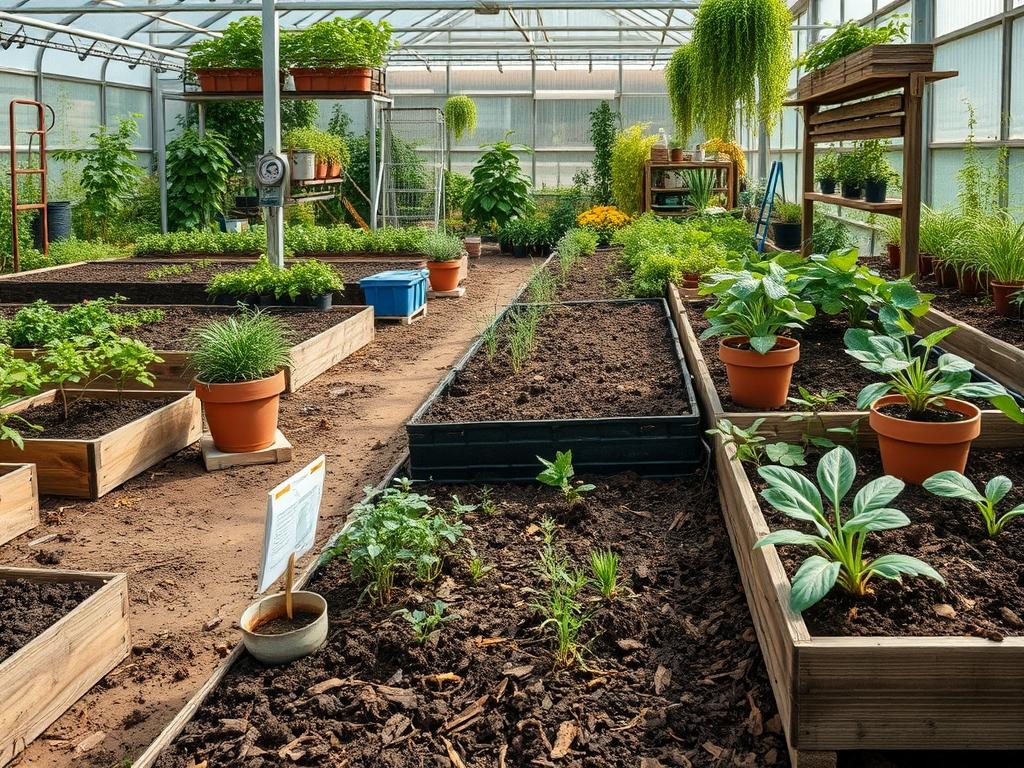
Achieving a pristine landscape requires more than just aesthetic vision; it demands a fundamental commitment to soil health and long-term site preparation. When we approach a new project, whether it is a sprawling residential estate or a high-traffic commercial frontage, the presence of dormant weed seeds and soil-borne pathogens represents a significant threat to our design integrity. Traditional chemical interventions often provide a temporary fix while potentially harming the very ecosystem we seek to cultivate. This is where mastering Soil Solarization Basics becomes an essential skill for the modern landscape architect. By harnessing solar radiation to pasteurize the upper layers of the earth, we create a sterile and nutrient-ready environment that ensures the longevity of expensive nursery stock and delicate ornamental installations.
The success of any outdoor environment hinges on its functionality and the seamless integration of living elements with hardscaped features. When a client requests high curb appeal, they are often asking for a landscape that remains uniform and vibrant throughout the growing season. Invasive species like Yellow Nutsedge or Bermuda Grass can quickly disrupt the visual balance of a project by encroaching on Paver Walkways or overtaking low-growing groundcovers. Utilizing solarization as a pre-planting strategy allows us to address these issues before a single shovel enters the dirt. By raising soil temperatures to levels between 110 and 140 degrees Fahrenheit, we effectively neutralize competition, ensuring that the primary focal points of our design receive the full benefit of applied fertilizers and targeted irrigation.
Landscape Design Principles
In the realm of professional landscape design, every element must serve a dual purpose of form and function. Symmetry and focal points are often the first things a visitor notices, but these features rely heavily on the health of the underlying substrate. A perfectly centered Japanese Maple or a series of rhythmic Boxwood Hedges will lose their impact if the surrounding soil is riddled with verticillium wilt or aggressive perennial weeds. By integrating soil solarization into the early stages of a master plan, we establish a clean canvas that supports high-level design principles. This process is particularly vital when planning for elevation layers. If a design calls for a raised Retaining Wall filled with imported topsoil, solarizing that soil before planting ensures that the new elevation does not become a nursery for invasive pests.
Effective irrigation planning is another cornerstone of professional landscape architecture that benefits from solarization. When we layout Drip Irrigation systems, we aim for maximum efficiency and direct delivery to root zones. However, weed populations often hijack these water sources, leading to wasted resources and increased maintenance costs. By cleaning the soil profile first, we ensure that every drop of water supports the intended plant palette. Furthermore, this preparation facilitates cleaner edges along Flagstone Walkways and Gravel Paths. When the soil is free of creeping grasses, the crisp lines defined by Steel Edging or Brick Borders remain sharp for years, preserving the architectural intent of the outdoor space.
Plant and Material Selection
The following table outlines high-performance plants and materials that thrive in a post-solarization environment, where competition for nutrients and water is minimized.
| Plant Type | Sun Exposure | Soil Needs | Water Demand | Growth Speed | Maintenance Level |
| :— | :— | :— | :— | :— | :— |
| English Lavender | Full Sun | Well-drained | Low | Moderate | Low |
| Dwarf Fountain Grass | Full Sun | Loamy/Sandy | Moderate | Fast | Low |
| Creeping Thyme | Full Sun | Sandy/Rocky | Low | Moderate | Minimal |
| Hydrangea Macrophylla | Partial Shade | Humus-rich | High | Moderate | Medium |
| Japanese Forest Grass | Shade | Moist/Rich | Moderate | Slow | Low |
| Blue Star Creeper | Full/Part Sun | Neutral pH | Moderate | Fast | Low |
Implementation Strategy
The process begins with a meticulous site evaluation. To execute Soil Solarization Basics correctly, the area must be cleared of all existing vegetation and large debris using a Grubbing Mattock or a high-powered Rototiller. Once the site is cleared, the grading technician must ensure the surface is smooth and free of clods. Any air pockets trapped under the plastic will act as insulation, preventing the heat from penetrating the soil deeply. The goal is to maximize the thermal conductivity of the earth.
After smoothing the surface, the soil must be saturated. Water acts as a conductor for heat and also helps to trigger the germination of weed seeds, making them more vulnerable to the high temperatures. We recommend using a Soaker Hose to moisten the soil to a depth of at least 12 inches. Once the soil is damp, a sheet of 1.5 mil Clear Polyethylene Plastic is draped over the area. It is vital to use clear plastic rather than black; clear plastic creates a greenhouse effect that traps short-wave radiation, whereas black plastic tends to absorb and dissipate heat before it reaches the soil.
The edges of the plastic must be buried in a trench at least 6 inches deep and backfilled with heavy soil to create an airtight seal. This step is non-negotiable. If wind is allowed to lift the plastic or if heat escapes from the sides, the solarization will fail. In most temperate climates, the plastic must remain in place for 4 to 6 weeks during the peak of summer. During this time, the sun will do the heavy lifting, effectively steaming the soil and eradicating most pathogens and weed seeds within the top 6 to 8 inches of the profile.
Common Landscaping Failures
One of the most frequent mistakes observed in large scale projects is improper drainage management following soil preparation. When we strip an area for solarization, the soil structure can become vulnerable to compaction if heavy machinery is moved across it while wet. Soil compaction leads to poor oxygen exchange and can stifle the root systems of new Ornamental Trees. Furthermore, failing to account for the slope of the land during the solarization phase can lead to erosion. If a site is not properly graded, heavy summer rains can wash away the plastic or create pooling that cools the soil, rendering the solarization ineffective.
Another common failure involves the transition from solarization to planting. Landscapers often make the mistake of tilling the soil deeply after the plastic is removed. This action brings buried, non-solarized weed seeds to the surface, effectively undoing weeks of thermal treatment. The best practice is to disturb the soil as little as possible. We recommend using a Hand Auger or a Transplanting Trowel to create small holes for new plants, leaving the sterilized crust intact. Additionally, using contaminated Mulch or unsterilized Compost after the process can reintroduce the very pathogens you worked to eliminate. Always source high-quality, heat-treated organic matter to preserve the integrity of your clean site.
Seasonal Maintenance
Landscape management is a year-round commitment that changes with the cycles of the sun. In the spring, the focus should be on assessing the health of the soil and checking for any early-season weed breakthroughs. If solarization was performed the previous summer, the spring is the ideal time to apply a thin layer of Hardwood Mulch to further suppress any wind-blown seeds. This is also the time to test Irrigation Heads for proper coverage, ensuring that new plantings have the moisture they need as temperatures rise.
Summer is the primary window for active solarization if you are preparing new beds. For existing landscapes, summer maintenance involves monitoring for heat stress and ensuring that the deep root systems encouraged by healthy, pathogen-free soil are getting adequate hydration. In the autumn, as growth slows, it is time to focus on cleaning up fallen debris. Fungal spores often overwinter in dead leaves; removing this organic matter prevents the reintroduction of disease into your solarized zones. Finally, winter provides an opportunity for structural maintenance. Inspect Retaining Walls and Stone Paths for shifting. Because solarization improves soil stability by reducing the organic decay of weed roots under hardscaping, you should find that your structures remain more level over time.
Professional Landscaping FAQ
How long should I leave the plastic on the soil?
For maximum effectiveness, the Clear Polyethylene Plastic should remain in place for 4 to 6 weeks during the hottest part of the summer. This ensures that the heat penetrates deep enough to kill stubborn perennial weed roots and pathogens.
Can I use black plastic for soil solarization?
No, black plastic is less effective for this specific purpose. While it gets hot to the touch, it does not allow solar radiation to pass through and heat the soil as deeply as 1.5 mil Clear Plastic, which creates a greenhouse effect.
Will solarization kill beneficial earthworms?
Most mobile beneficial organisms, like earthworms, will move deeper into the cool subsoil during the solarization process. Once the plastic is removed and temperatures return to normal, they will migrate back to the topsoil levels to continue their work.
What is the best depth for tilling before solarization?
You should till the soil to a depth of 6 to 12 inches. This loosens the earth to allow for better heat penetration and ensures that moisture can reach the seeds and pathogens located deeper in the soil profile.
Does solarization work in shaded areas?
Solarization requires direct sunlight to be effective. In areas with significant canopy cover or shade from buildings, the soil will likely not reach the temperatures necessary for pasteurization. Consider alternative weed management strategies for those specific zones.