
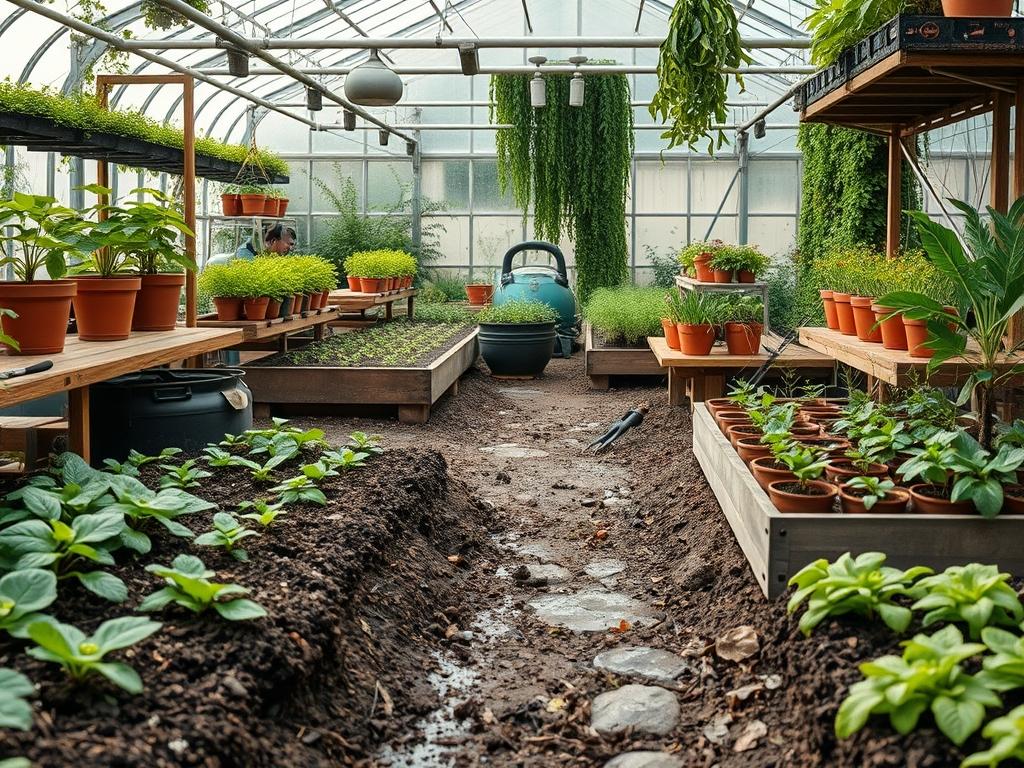
High-end landscape design often focuses on the visual architecture of a property, yet the most sophisticated outdoor environments depend entirely on the invisible biological systems beneath the surface. Achieving maximum curb appeal and long-term structural integrity in a garden requires more than just aesthetic planning; it demands a deep understanding of soil health. When we approach a new project, we see the soil not as a static medium but as a living engine. Many homeowners and contractors struggle with the same recurring challenges, such as poor drainage, plant shock after installation, and nutrient deficiencies that no amount of synthetic fertilizer can fix. By integrating Microbial Soil Inoculants into the initial planning stages, a landscape architect can ensure that the site matures gracefully, resisting pests and environmental stressors that often ruin expensive plant palettes. This biological approach transforms the outdoor space from a high-maintenance burden into a self-sustaining ecosystem that enhances the property’s value and functionality.
The primary landscaping challenge in modern development is often the legacy of heavy machinery and construction activity. Compacted soil stripped of its natural organic layer provides a hostile environment for new installations. When we design for outdoor functionality, we must consider how the plants will interact with the local climate on a cellular level. High-performance landscapes utilize Microbial Soil Inoculants to bridge the gap between sterile urban soils and the complex requirements of native and ornamental species. This ensures that the investment in a 5-gallon shrub or a 2-inch caliper tree pays dividends through rapid establishment and vibrant foliage.
Landscape Design Principles
Effective landscape design relies on the core principles of symmetry, focal points, and elevation layers to guide the eye and create a sense of order. Symmetry provides a formal structure, often achieved through mirrored planting beds or lined Hardwood Mulch paths that lead to a central feature. However, visual balance is only sustainable if the underlying soil supports uniform growth. If one side of a symmetrical alley of European Hornbeam fails due to poor root colonization, the entire design’s integrity is compromised. Using Microbial Soil Inoculants at the time of planting ensures that every specimen in the design has an equal opportunity to thrive, maintaining the geometric precision intended by the architect.
Focal points, such as a large Japanese Maple or a custom Granite Water Feature, require special attention to ground-level detail. The area surrounding these elements should be tiered using elevation layers, including groundcovers, mid-sized perennials, and taller structural backdrop plants. Each of these layers has specific drainage and nutrient needs. Incorporating drainage tile and planning for proper grading ensures that water moves away from the foundation of the home while still hydrating the root zones. Microbial Soil Inoculants thrive in these well-managed environments, where they work to improve soil porosity and aggregate stability, effectively turning the soil into a living sponge that manages moisture more efficiently than raw earth alone.
Walkways and hardscaping must also be planned with the landscape’s biology in mind. When installing a Flagstone Path or a Paver Patio, the surrounding soil is often subject to some degree of compaction. To mitigate this, we recommend treating the adjacent planting zones with beneficial bacteria and fungi, such as Mycorrhizae. These organisms extend the reach of plant roots far beyond the initial planting hole, allowing them to scavenge for water and minerals even in the restricted spaces between hardscape boundaries and property lines.
Plant and Material Selection
Selecting the right materials involves matching the site’s environmental constraints with the biological needs of specific species. The following table provides a guide for common landscape selections and their requirements.
| Plant Type | Sun Exposure | Soil Needs | Water Demand | Growth Speed | Maintenance Level |
| :— | :— | :— | :— | :— | :— |
| Boxwood | Full Sun to Shade | Well-Drained | Moderate | Slow | Medium |
| Purple Coneflower | Full Sun | Lean to Rich | Low | Fast | Low |
| Hostas | Full Shade | Organic Matter | High | Medium | Low |
| Switchgrass | Full Sun | Adaptable | Low | Fast | Low |
| English Lavender | Full Sun | Sandy/Rocky | Very Low | Medium | High |
| Norway Spruce | Full Sun | Acidic/Loamy | Moderate | Fast | Low |
Implementation Strategy
The successful execution of a garden layout begins with precise grading and site preparation. Before any plants arrive on site, the land must be shaped to facilitate proper runoff. We use a Transit Level to ensure the slope moves at a minimum of two percent away from all structures. If the site has heavy clay, we may incorporate Expanded Shale or Coarse Sand to improve aeration. Once the rough grade is established, we mark out the beds using Layout Paint or Landscape Stakes.
When it is time to plant, the application of Microbial Soil Inoculants must be handled with care to ensure the survival of the living organisms. We recommend using a Handheld Spreader for granular versions or a Backpack Sprayer for liquid concentrates. The inoculant must come into direct contact with the root ball; applying it to the surface of the Hardwood Mulch is a common mistake that leads to product failure. For a 15-gallon specimen, we typically mix the inoculant with the backfill soil at a ratio specified by the manufacturer, ensuring the beneficial fungi can immediately begin building a symbiotic relationship with the host plant.
After the plants are in the ground, a 2-inch to 3-inch layer of mulch is applied to regulate soil temperature and retain moisture. It is critical to keep the mulch a few inches away from the trunk of any tree or shrub to prevent bark rot. Finally, the installation of a Drip Irrigation System provides consistent moisture, which is vital for the microbes to remain active during the initial six-month establishment period.
Common Landscaping Failures
The most frequent failure in professional landscaping is improper drainage. When water sits stagnant in the root zone, it creates an anaerobic environment that kills beneficial microbes and triggers root rot. Even the highest quality Microbial Soil Inoculants cannot survive in anaerobic conditions. Another common issue is over-fertilizing with high-salt, synthetic products. These salts can dehydrate and kill the very microbes you have worked to introduce, effectively sterilizing the soil and making the plants dependent on artificial feeding.
Root overcrowding and improper spacing also lead to design failure. As plants mature, their competition for resources increases. If they are planted too closely, the airflow between them decreases, leading to fungal diseases like powdery mildew. Soil compaction remains a silent killer; when a Skid Steer or heavy mower frequently traverses a planting area, the macropores in the soil collapse. This prevents oxygen from reaching the roots and the microbial colonies, leading to a slow decline in plant vigor that most homeowners misdiagnose as a lack of water.
Seasonal Maintenance
Maintaining a high-end landscape requires a rhythmic approach to the seasons. In the spring, gardeners should focus on activation. As the soil warms to approximately 50 degrees Fahrenheit, it is time to re-apply Microbial Soil Inoculants to boost the waking root systems. Using a Garden Fork to gently aerate the soil before application can help the microbes penetrate deeper.
During the summer, the focus shifts to survival. High temperatures and drought can stress both plants and microbes. Ensure that the Irrigation Controller is adjusted for longer, deeper watering cycles rather than frequent shallow mists. This encourages roots to grow deeper into the cooler subsoil. In autumn, the goal is root development and carbohydrate storage. This is the ideal time to add Compost and a secondary dose of beneficial fungi, which will work through the winter to prepare the soil for the following year.
Winter landscape management is about protection. In colder climates, a fresh layer of Pine Straw or Wood Chips acts as an insulating blanket for the soil biology. While the microbes may go dormant, avoiding the use of harsh de-icing salts near garden beds will ensure they survive to the spring. Heavy salts are toxic to most soil life and can ruin a landscape’s chemistry for years.
Professional Landscaping FAQ
How often should I apply microbial soil inoculants to my garden?
For new installations, apply once during planting. For established landscapes, a biennial application in the spring and autumn maintains peak biological activity. Consistent organic matter additions via Compost help sustain these microbial populations between applications.
Are microbial inoculants safe to use around my children and pets?
Yes, most professional-grade inoculants consist of naturally occurring soil organisms. However, always wear Gloves and an N95 Mask when handling concentrated dusts or powders. Once watered into the soil, the area is safe for immediate use.
Can I use microbial inoculants along with standard chemical fertilizers?
It is possible, but avoid high-salt synthetic fertilizers, as they can kill beneficial microbes. It is best to wait at least two weeks between a microbial treatment and a chemical application to allow the biological colonies to establish.
Will these products help my plants survive a period of extreme drought?
Yes, specifically products containing Mycorrhizal Fungi. These organisms increase the surface area of the root system, allowing plants to access deep-seated moisture that would otherwise be unreachable, significantly improving drought tolerance and reducing water requirements.
Do microbial soil inoculants have an expiration date for the user?
They are living products and do expire. Most dry formulations last approximately one to two years if stored in a cool, dark place. Liquid concentrates have a shorter shelf life, typically six months to one year, after which the microbial count drops.