
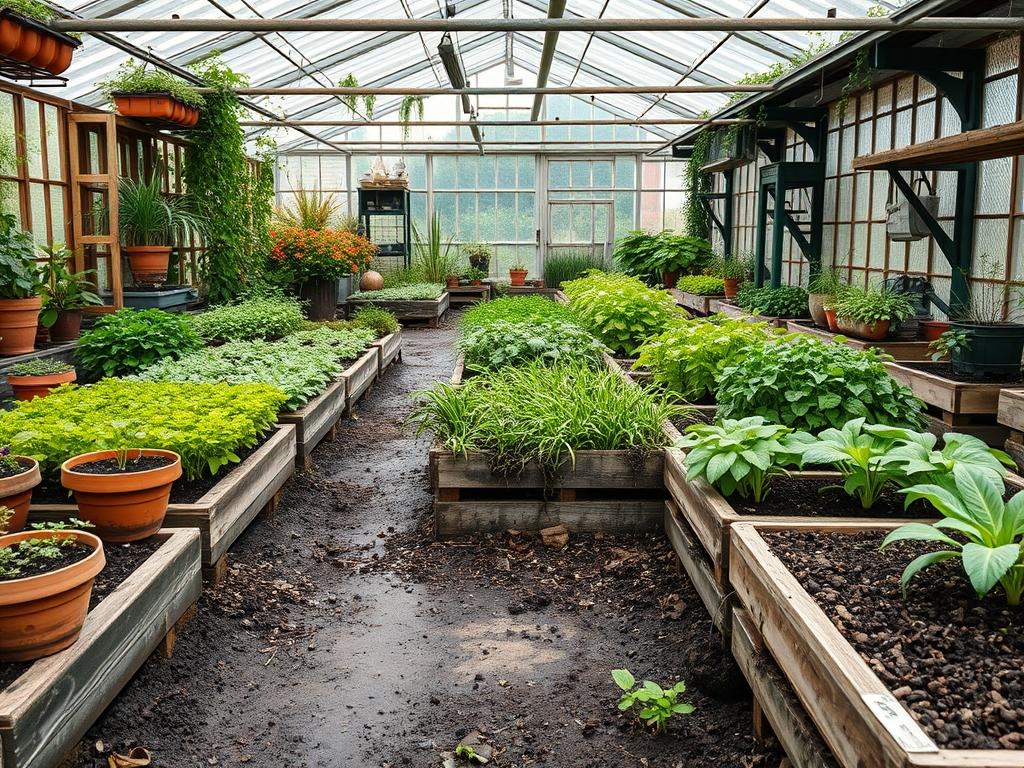
Integrating cold frames into a high-end landscape requires a move beyond mere functionality to consider how these structures impact the overall architectural integrity of the outdoor environment. For the professional landscape architect, a cold frame is not simply a box for seedlings; it is a specialized microclimate tool that extends the growing season and enhances the property’s utility. The success of this installation depends heavily on the medium within. Selecting the ideal soil mixes for cold frames ensures that the transition from a dormant winter landscape to a vibrant spring garden is seamless. When properly sited, these structures contribute to the curb appeal by providing early season foliage and color, filling gaps in the garden beds while the rest of the landscape is still waking up. This strategic planning allows for a more sophisticated outdoor living space where the cycles of growth are manipulated to provide year round interest and productivity.
Landscape Design Principles
Incorporating a cold frame into a master landscape plan requires a keen eye for symmetry and visual balance. These structures should never look like an afterthought. By aligning the frame with existing walkways or placing it against a stone retaining wall, you create a sense of permanence and intentionality. Siting is critical. A south facing orientation is mandatory to capture maximum solar radiation during the late winter months. When the frame is integrated into a multi level garden, the use of elevation layers can hide the utilitarian aspects of the frame while showcasing the vibrant greenery inside.
Focal points within the landscape can be enhanced by the careful placement of cold frames. For instance, a frame constructed from high quality cedar or redwood can serve as an architectural feature that complements a nearby pergola or gazebo. Beyond aesthetics, irrigation planning is a vital design principle. Since cold frames are enclosed, they do not benefit from natural rainfall. A professional design will include a dedicated low flow drip irrigation line to ensure the soil mix remains consistently moist without over saturating the roots. This prevents the common issue of soil compaction and ensures the longevity of the structure and the health of the plants it protects.
Plant and Material Selection
The following table outlines the most effective plants for cold frame cultivation and the specific environmental requirements needed to succeed in a professional landscape setting.
| Plant Type | Sun Exposure | Soil Needs | Water Demand | Growth Speed | Maintenance Level |
| :— | :— | :— | :— | :— | :— |
| Spinach | Full Sun | High Organic Matter | Moderate | Fast | Low |
| Butterhead Lettuce | Partial to Full | Loamy, Well Drained | High | Medium | Medium |
| Flat Leaf Parsley | Full Sun | Light, Aerated Mix | Moderate | Slow | Low |
| Pansies | Partial Sun | Rich, Humus Mix | Moderate | Medium | Medium |
| Radishes | Full Sun | Loose, Sandy Loam | Low | Very Fast | Low |
| Kale | Full Sun | Nitrogen Rich | Moderate | Medium | Low |
Implementation Strategy
The foundation of a successful cold frame begins with proper grading. The site must be perfectly level to prevent water from pooling at one end, which can lead to root rot and uneven growth. Once the site is prepared, a layer of landscape fabric should be installed to prevent weed intrusion from the native soil below. For the soil mix itself, a professional blend is required. Avoid using standard garden soil, as it is too heavy and likely contains pathogens. I recommend a mixture of 40 percent sphagnum peat moss, 30 percent perlite, and 30 percent high quality compost. This ratio provides the ideal balance of moisture retention and drainage.
For the structural components, the frame should be anchored into the ground using pressure treated 4×4 posts or heavy duty ground anchors to resist wind uplift. The walls should be a minimum of 2 inches thick to provide adequate thermal mass. Once the frame is built and filled with the soil mix, apply a 2 inch layer of fine bark mulch around the exterior perimeter. This helps regulate the temperature of the soil inside the frame by reducing thermal transfer through the wood. Finally, ensure the drainage is directed away from the house foundation or sensitive hardscaping like bluestone patios to prevent staining or erosion.
Common Landscaping Failures
The most frequent failure in cold frame management is poor drainage. If the soil mix contains too much clay or fine silt, the water will displace the oxygen in the root zone, effectively suffocating the plants. This is often exacerbated by improper grading around the frame. Another common mistake is root overcrowding. In the controlled environment of a cold frame, plants often grow faster than anticipated. If they are not spaced at least 4 inches apart, they will compete for limited nutrients in the soil mix, leading to stunted growth and increased susceptibility to pests.
Soil compaction is another silent killer. Professional landscapers avoid stepping into the frame area or using heavy tools that crush the air pockets within the mix. Once the pore space is gone, the soil becomes anaerobic. Irrigation inefficiencies also plague these systems. Using a high pressure hose can displace the soil and expose delicate roots. Instead, use a soaker hose or a fine misting nozzle. Finally, failing to monitor the temperature can result in the soil mix drying out too quickly during a sunny day, even in the middle of winter. The soil should be checked daily for a moisture content of approximately 60 percent.
Seasonal Maintenance
Spring maintenance focuses on temperature regulation and soil replenishment. As the days lengthen, the thermal gain inside the frame can become excessive. You must vent the frame daily once temperatures exceed 50 degrees Fahrenheit. This is also the time to top dress the soil with 1 inch of fresh worm castings to provide a slow release nitrogen boost for the rapidly growing seedlings.
Summer is often a period of dormancy for the cold frame itself, as most plants are moved into the main garden. During this time, the soil should be covered with a black plastic tarp to solarize it, which kills off any lingering pathogens or weed seeds. Check the structural integrity of the polycarbonate panels or glass lids for cracks or seal failures.
Autumn requires a complete refresh of the soil mix. Remove the top 3 inches of spent soil and replace it with a fresh blend of compost and vermiculite. This prepares the bed for late season greens and provides the necessary structure to withstand the freeze thaw cycles of winter. Clean all surfaces with a mild bleach solution to prevent fungal spores from overwintering.
Winter maintenance is largely about insulation. On particularly cold nights, cover the frame with burlap sacks or insulated blankets. Ensure the snow load does not exceed the weight capacity of the lid. If the soil freezes solid, avoid prying out plants, as this will damage the root structures. Instead, wait for a sunny day when the natural greenhouse effect thaws the top layer of the soil mix.
Professional Landscaping FAQ
What is the best depth for a cold frame soil mix?
A depth of 12 to 18 inches is ideal. This provides enough volume for deep root penetration while ensuring the soil retains enough thermal mass to stay warm during cold nights without freezing through.
Can I use bagged potting soil in my cold frame?
Yes, but it must be a high quality professional grade. Ensure it contains perlite or pumice for aeration. Avoid products with added chemical fertilizers, as these can finish too quickly in an enclosed environment.
How often should I replace the soil mix?
While you don’t need a total replacement annually, you should refresh the top 4 to 6 inches every autumn. A full soil exchange should occur every three to four years to prevent the buildup of salts and pathogens.
Why is my soil mix turning green on top?
This is typically algae growth caused by excess moisture and high humidity. Increase your venting frequency and reduce water applications. Scrape off the green layer and add a thin dusting of coarse sand to the surface.
Does elevation affect the soil mix temperature?
Yes, raised frames drain better and warm up faster in the spring. However, they can also freeze more quickly in winter. Building your frame slightly below grade can use the earth’s natural insulation to stabilize soil temperatures.