
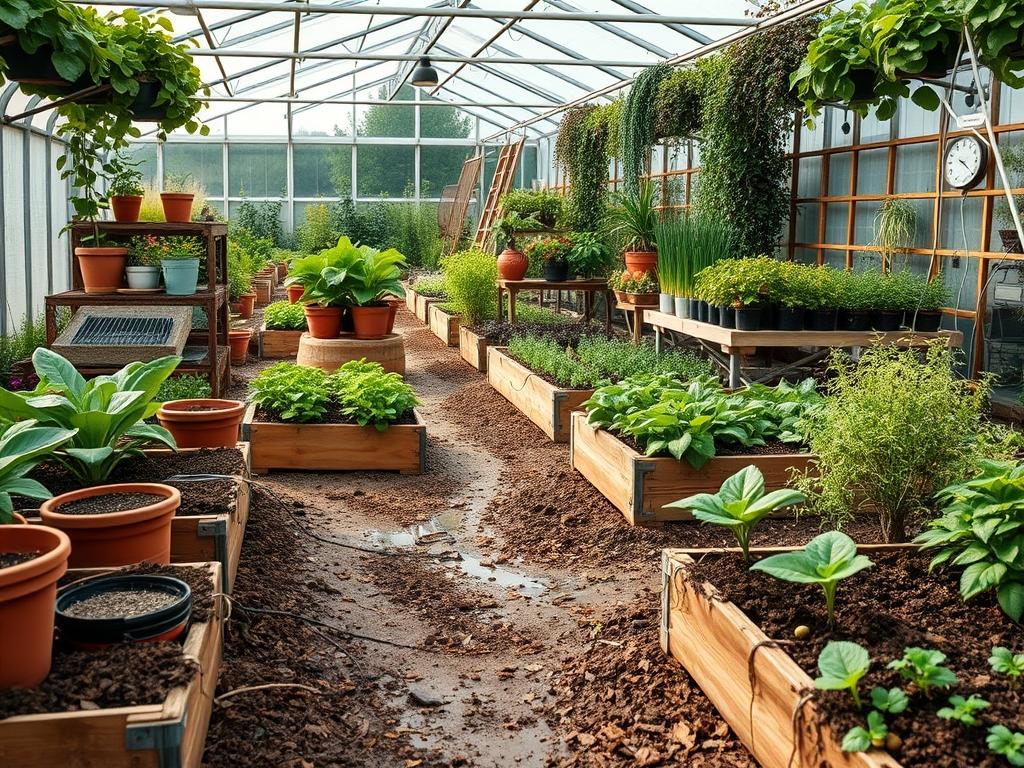
Winter gardening presents a unique set of challenges that test the limits of both plant biology and landscape architecture. While most practitioners view the arrival of frost as a period of dormancy, a sophisticated outdoor environment utilizes thermodynamics to maintain productivity. The foundation of this success lies in the construction of hot beds, a traditional yet highly effective method of harnessing biological heat to shield sensitive root systems. Achieving the best soil for hot beds requires a calculated mixture of organic matter, specifically nitrogen-rich manure, to spark the decomposition process. This allows a landscape architect to extend the functionality of a backyard well into the coldest months, maintaining visual interest and providing a source of fresh produce when the rest of the garden is buried under snow. Integrating these structures into a broader design involves more than just utility; it requires a deep understanding of site orientation, microclimates, and the aesthetic integration of functional infrastructure.
Landscape Design Principles
When planning the placement of hot beds, the landscape architect must prioritize solar gain and wind protection. A well-designed garden utilizes the principle of focal points, where the structural element of the hot bed frame serves as a transition between the wilder edges of the property and the formal outdoor living spaces. To ensure symmetry and visual balance, these beds should be aligned with existing walkways or positioned parallel to primary residential sightlines. Elevation layers are equally critical. Elevating the hot bed using natural stone or pressure-treated timber prevents it from looking like a mere hole in the ground, instead turning it into a raised architectural feature that adds depth to the landscape.
Irrigation planning must be integrated during the initial design phase to avoid the logistical nightmare of hauling water in freezing temperatures. We recommend installing an underground drip irrigation system fitted with a blow-out valve for winterization, ensuring that moisture reaches the roots without freezing in the lines. Furthermore, the surrounding landscape should feature permeable pavers or crushed gravel to ensure stability during the freeze-thaw cycle. These materials prevent the area from becoming a muddy quagmire, preserving the curb appeal and functionality of the space throughout the winter. Proper grading around the bed ensures that meltwater flows away from the structure, protecting the thermal integrity of the internal composting process.
Plant and Material Selection
The success of a hot bed depends on selecting materials that generate heat and plants that can thrive in a warmed soil environment despite low ambient air temperatures. The following table outlines the components necessary for a high-performing winter garden.
| Plant or Material Type | Sun Exposure | Soil Needs | Water Demand | Growth Speed | Maintenance Level |
| :— | :— | :— | :— | :— | :— |
| Fresh Horse Manure | N/A | High Nitrogen | Moderate | Heat Source | Medium |
| Organic Topsoil | N/A | Loamy/Rich | Low | Medium | Low |
| Swiss Chard | Full/Partial | Nutrient Rich | Moderate | Moderate | Low |
| Winter Spinach | Full Sun | Well-Drained | Low | Fast | Medium |
| Lacinato Kale | Full Sun | Heavy Feeders | Moderate | Slow | Low |
| Radishes | Full Sun | Sandy Loam | Moderate | Very Fast | Low |
| Straw Mulch | N/A | Insulative | N/A | N/A | Low |
Implementation Strategy
Building the best soil for hot beds starts with a significant excavation phase. Begin by digging a pit at least 24 inches deep. The size of the pit should match your frame, often a standard 4-foot by 8-foot rectangle to allow for easy access from both sides. This depth is necessary to accommodate a thick layer of fresh horse manure, which serves as the engine of the bed. Unlike composted manure, fresh manure contains the high nitrogen levels required to trigger rapid aerobic decomposition. Pack a 12-inch to 18-inch layer of this manure into the bottom of the pit, treading it down firmly to ensure consistent contact and heat distribution.
Once the manure layer is established, it must be watered thoroughly. The moisture acts as a catalyst for the microbial activity that generates heat. After soaking the manure, install a layer of burlap or straw mulch to prevent the soil layer from washing down into the heating element. On top of this, add 6 inches to 8 inches of high-quality organic topsoil mixed with leaf mold. This soil layer is where the plants will reside; it must be light and friable to allow for easy gas exchange. Use a soil thermometer to monitor the temperature. Initially, the bed may spike above 100 degrees Fahrenheit, which is too hot for planting. Wait until the temperature stabilizes between 65 degrees and 75 degrees Fahrenheit before sowing seeds or transplanting.
The hardscaping surrounding the hot bed should be handled with the same precision as the internal components. Use retaining wall blocks or heavy timber to create a frame that rises 12 inches above the ground level. This frame supports the cold frame cover, usually made of polycarbonate or repurposed glass sashes, which should be angled toward the south at a 30-degree slope to maximize light penetration. Ensure the edges are sealed with weather stripping to prevent heat loss, but include a manual or automatic venting mechanism to prevent overheating on sunny days.
Common Landscaping Failures
The most frequent error in hot bed construction is poor drainage. If the pit becomes waterlogged, the decomposition process shifts from aerobic to anaerobic. This results in a persistent foul odor and a complete loss of heat production, effectively killing the garden. To avoid this, always check the percolation rate of your subsoil before digging. If you have heavy clay, you may need to install a French drain or a 4-inch perforated pipe at the base of the excavation to lead excess water away.
Another mistake is using the wrong type of manure. Chicken manure is often too hot and can burn plant roots with excess ammonia, while cow manure often lacks the thermal energy needed for a deep winter freeze. Horse manure mixed with straw bedding is the gold standard for creating the best soil for hot beds. Furthermore, gardeners often fail to account for soil compaction. Mixing in perlite or coarse sand can help maintain the structural integrity of the upper soil layer, ensuring that roots can breathe even when the manure layer below begins to settle and shrink.
Seasonal Maintenance
Seasonal management of a hot bed requires a transition in tactics as the external environment shifts. In the Spring, the heating power of the manure will naturally wane as the nitrogen is consumed. At this point, the hot bed effectively becomes a standard cold frame. You can begin hardening off summer transplants like tomatoes and peppers inside the protected environment. This is also the time to check the structural integrity of the frame, as the moisture from the manure can lead to wood rot if the materials were not properly treated.
During the Summer, the glass covers should be removed entirely to prevent the plants from scorching. The spent manure at the bottom of the pit has now transformed into high-quality compost, which can be excavated and spread across other areas of the landscape to improve soil structure. In the Autumn, the process begins again. Clear out the old soil, dig out the composted manure, and replenish the pit with a fresh supply of high-nitrogen material. Throughout the Winter, the primary task is temperature regulation. On mornings where the temperature dips below 15 degrees Fahrenheit, consider throwing a heavy moving blanket or thermal tarp over the glass at night to provide an extra layer of insulation.
Professional Landscaping FAQ
What is the best manure for a winter hot bed?
Fresh horse manure mixed with straw is ideal. It provides the high nitrogen content necessary for rapid decomposition, which generates the consistent heat required to keep the soil warm when ambient temperatures drop below freezing.
How deep should the manure layer be?
The manure layer should be between 12 inches and 18 inches thick. This volume ensures a steady heat supply for several months. Firmly pack the material to prevent uneven settling as it decomposes over the winter season.
Can I use finished compost instead of fresh manure?
Finished compost will not work for a hot bed because it has already finished its thermogenic phase. To generate heat, you must use fresh, “hot” organic matter that is actively decomposing to create the best soil for hot beds.
How do I prevent my plants from burning?
Always place a 6-inch layer of topsoil between the manure and the plant roots. Use a soil thermometer to ensure the temperature has dropped below 75 degrees Fahrenheit before planting, as initial spikes can damage delicate seedlings.
Does the hot bed need ventilation?
Yes, even in winter, sun traps can overheat. On sunny days, temperatures inside the frame can exceed 90 degrees Fahrenheit. Propping the lid open by just 2 inches provides necessary airflow and prevents fungal growth or heat stress.