
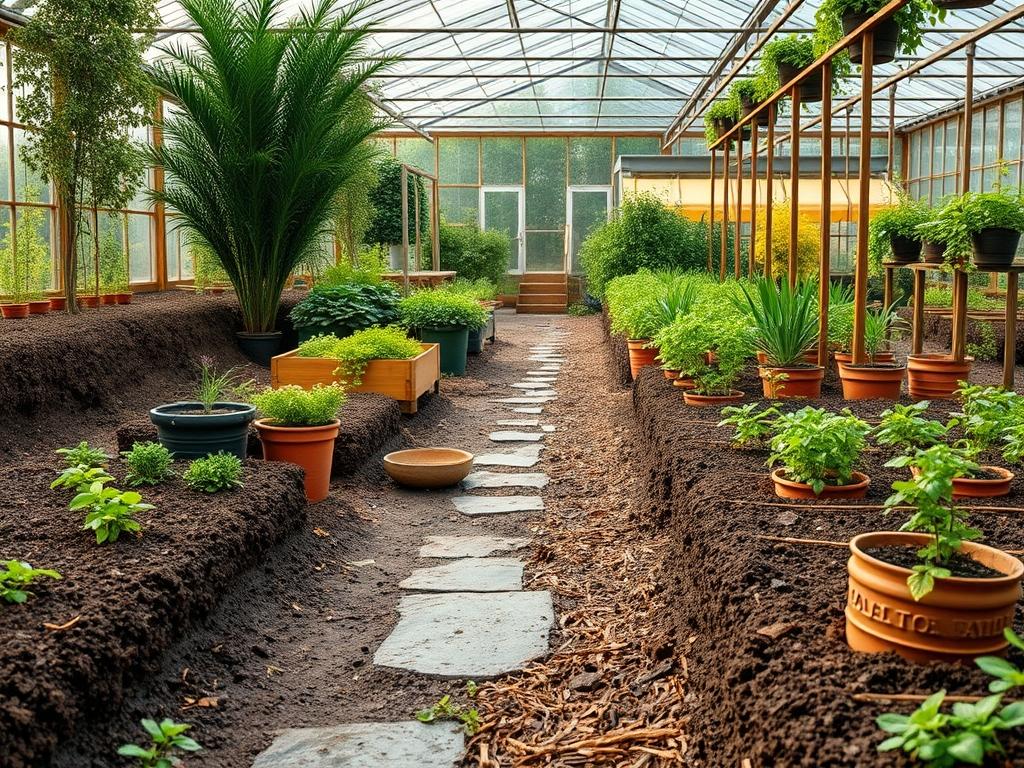
Designing a sprawling perimeter screen requires more than just selecting a fast growing evergreen. It demands a deep understanding of the subterranean environment where these trees will spend the next several decades. The Leyland Cypress, often chosen for its ability to add upwards of 3 feet of height per year, serves as the ultimate living wall for homeowners seeking immediate privacy and noise reduction. However, the success of such a massive biological installation depends entirely on the initial site preparation and long term moisture management. When planning a large scale screen, a landscape architect looks past the lush green foliage to evaluate the chemical and physical properties of the earth. Cultivating a healthy privacy hedge is a marathon, not a sprint. Proper Leyland Cypress Soil Tips ensure that your investment yields a dense, vibrant barrier rather than a line of brown, thinning needles. By paying attention to drainage, nutrient density, and soil structure, you create an outdoor environment that functions as both a sanctuary and a high value asset to your property.
Landscape Design Principles
Effective screen placement relies on the principle of rhythmic repetition and visual balance. In large scale landscaping, the Leyland Cypress acts as a structural anchor that defines the boundary of the outdoor room. Architects use symmetry to create formal alleys or staggered rows to produce a more naturalistic, woodland effect. Elevation layers are critical here. Placing these trees on a slight 3 inch mound can prevent water from pooling at the base, which is a common cause of fungal issues. When designing the layout, one must consider the focal points of the yard. A solid wall of green should not feel oppressive; rather, it should frame a view or direct the eye toward a central feature like a Reflecting Pool or a Gazebo. Symmetrical spacing, typically between 8 feet and 10 feet apart, allows each tree enough room to expand without competing for limited soil resources. Irrigation planning must also be integrated into the design phase. A Drip Irrigation System buried beneath the Mulch layer provides consistent moisture directly to the root zone, reducing evaporation and ensuring that the high demand of these rapid growers is met during the peak heat of summer.
Plant and Material Selection
| Plant Type | Sun Exposure | Soil Needs | Water Demand | Growth Speed | Maintenance Level |
| :— | :— | :— | :— | :— | :— |
| Leyland Cypress | Full Sun | Loamy, Well-Drained | Moderate | Fast | Medium |
| Green Giant Arborvitae | Full to Part Sun | Moist, Fertile | Low to Moderate | Fast | Low |
| Japanese Holly | Full Sun | Acidic, Well-Drained | Moderate | Medium | Medium |
| Nandina Domestica | Full Sun to Shade | Adaptable | Low | Medium | Very Low |
| Southern Magnolia | Full Sun | Rich, Organic | Moderate | Moderate | Moderate |
Implementation Strategy
The transition from a design on paper to a living screen begins with rigorous ground preparation. My primary Leyland Cypress Soil Tips involve a thorough assessment of the existing grade. You must ensure the site has a 2 percent slope away from the root balls to facilitate drainage. Begin by marking your line with a Transit Level or Masonry String to ensure perfectly straight rows. Excavate a trench or individual holes at least twice as wide as the root ball but no deeper than the original container depth. If your land consists of heavy clay, incorporate Expanded Shale or Coarse Sand to improve porosity. Avoid using too much high nitrogen fertilizer at planting; instead, mix in Compost or Aged Manure to provide a slow release of organic matter. Once the trees are set, apply a 3 inch layer of Hardwood Mulch around the base, keeping it 4 inches away from the trunk to prevent bark rot. Edging the planting bed with a Power Edger or Spade creates a clean visual break and prevents turf grass from siphoning nutrients away from the trees.
Common Landscaping Failures
The most frequent mistake in large screen installation is ignoring the risk of soil compaction. Heavy machinery redirected over the planting area during home construction often leaves the ground as hard as concrete. Compressed earth lacks the oxygen pockets necessary for root respiration, leading to stunted growth. Another critical failure is improper spacing. Homeowners often plant Leyland Cypress only 4 feet apart to get an immediate “wall” effect, but this leads to root overcrowding and poor air circulation within two years. When the canopy becomes too dense, the interior needles die back, and the trees become susceptible to Seiridium Canker and Cercospora Needle Blight. Furthermore, poor drainage is a silent killer. If a tree sits in stagnant water for more than 48 hours, the roots begin to suffocate. Installing a French Drain or a series of Catch Basins in low lying areas is often a necessary prerequisite that people skip to save on initial costs, only to lose the entire screen a year later.
Seasonal Maintenance
Maintaining a professional grade landscape requires a calendar of specific interventions. In the Spring, focus on soil health by testing the pH levels. Leyland Cypress thrives in a range of 5.0 to 9.0, but a neutral to slightly acidic environment is ideal. Apply a balanced 10-10-10 Fertilizer before new growth begins. As Summer arrives, monitor the deep soil moisture. Use a Soil Moisture Meter or a Trowel to check the ground 6 inches below the surface. If it feels dry, increase the duration of your irrigation cycles. Autumn is the time for structural pruning. Use Bypass Pruners to remove dead or diseased wood and thin out the interior to increase airflow. This is also the best time to replenish your Mulch to insulate roots against the coming cold. During Winter, your primary concern is mechanical damage from snow and ice. If a heavy storm occurs, use a Broom to gently knock snow off the branches. Avoid heavy pruning in the dead of winter, as this can expose sensitive tissue to frost damage.
Professional Landscaping FAQ
How do I fix poor soil drainage for my screen?
Incorporate Organic Matter and Coarse Sand into the planting area. For severe issues, install a French Drain or Perforated Pipe to divert water. Mounding the trees 4 inches above the surrounding grade also protects the sensitive root flares from rot.
What is the best soil texture for Leyland Cypress?
These trees prefer a Sandy Loam that allows for quick drainage while retaining enough moisture to support rapid growth. Avoid strictly Heavy Clay environments. If your soil is too dense, use a Rototiller to blend in high quality Topsoil.
Can I use Leyland Cypress in small backyards?
While possible, it is not recommended due to their 20 foot spread. They require significant horizontal space. For smaller environments, consider a columnar variety or a different species like Sky Rocket Juniper which maintains a much narrower profile over time.
How often should I fertilize my privacy screen?
Apply a slow release fertilizer once in early Spring and once in mid Summer. Use a Broadcast Spreader for even distribution. Avoid late Autumn fertilization, as this encourages new growth that can be easily killed by the first hard frost of Winter.
Why are the bottom branches of my cypress turning brown?
This usually indicates either a lack of sunlight from overcrowding or a fungal infection like Needle Blight. Ensure 10 feet of spacing between trees. Treat the area with a Copper Fungicide if the browning persists despite corrected watering and spacing.