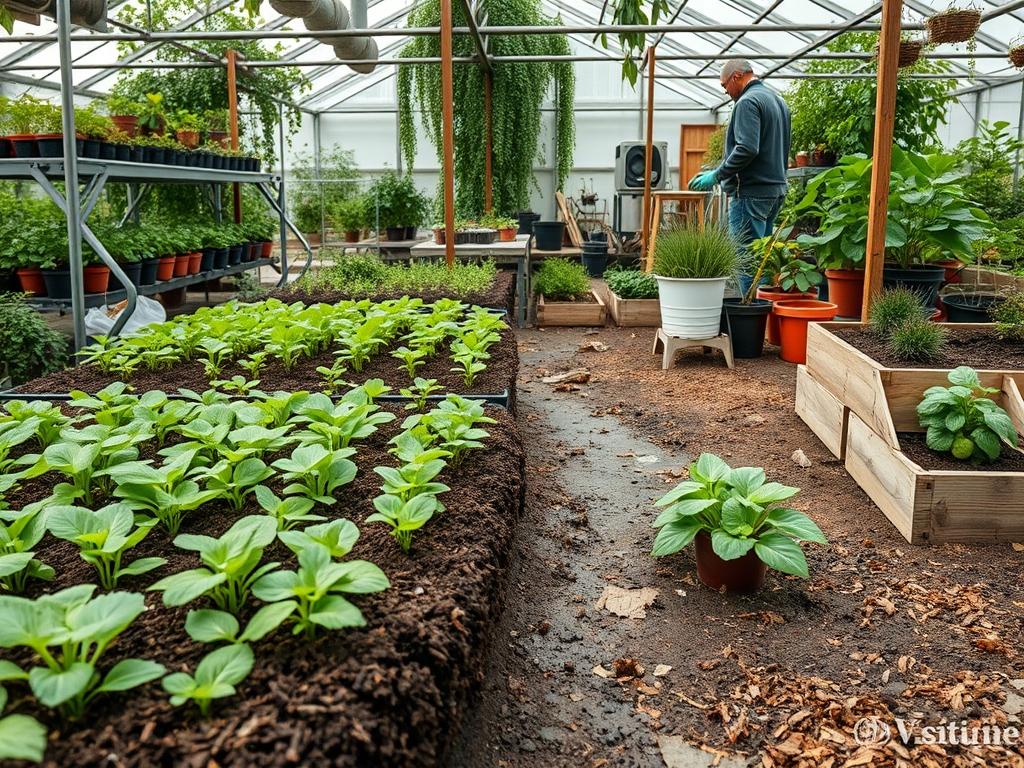
Starting a professional landscape project requires more than a visionary eye for aesthetic balance; it demands a foundational understanding of the biological requirements of the living elements. The transition of a site from a vacant lot or an overgrown mess into a curated environment hinges entirely on the health of the young plants introduced during the final stages of construction. While hardscaping elements like paving stones and retaining walls provide the structural skeleton, the vitality of the greenery determines the long-term success of the installation. Choosing the best soil for seedlings and young plants is not merely a gardening choice. It is a critical engineering decision that affects future curb appeal, property value, and the functional longevity of the outdoor living space. In varied climates, soil must be tailored to manage moisture levels and temperature fluctuations that can otherwise overwhelm delicate root systems before they have established themselves in the native substrate.
Successful landscape architecture prioritizes the “establishment phase,” that period where a young plant transitions from a controlled nursery environment to the unpredictable conditions of a residential or commercial yard. If the soil lacks the proper porosity or nutrient density, even the highest-quality boxwood or maple sapling will struggle. A poorly prepared site leads to stunted growth, patchy foliage, and eventually, the costly necessity of plant replacement. To avoid these pitfalls, professionals look at soil as a living medium. We evaluate the drainage capacity to ensure that water moves away from the “crown” of the plant while remaining accessible to the “root hairs.” This balanced approach ensures that the outdoor space remains functional and beautiful through every season.
Landscape Design Principles
A master landscape plan utilizes several core principles to create a cohesive environment. Symmetry and focal points are often the most visible elements, but they rely on the consistent growth of the plant material to maintain their impact. If you plant a row of arborvitae to create a formal screen, any variation in soil quality will lead to uneven growth heights, ruining the intended symmetry. Therefore, uniform soil preparation across the entire planting bed is essential for visual balance. We also consider elevation layers; placing smaller seedlings in the foreground and maturing shrubs in the mid-ground. This layering requires a soil strategy that accounts for different root depths and water requirements.
Effective landscape design also integrates irrigation planning directly into the soil strategy. For young plants, an automatic drip irrigation system is often the preferred method for delivering water directly to the root zone. However, the soil must be capable of absorbing this water without becoming compacted. High-quality soil mixes for young plants typically involve a blend of organic matter and structural aggregates like perlite or coarse sand. This ensures that even when elevation changes occur, such as on a sloped site or a raised retaining wall bed, the water is distributed evenly rather than pooling in low spots or running off the surface. Walkways and hardscaped borders should be designed with “root flares” in mind, allowing the soil to breathe near the edges of structural installations.
Plant and Material Selection
Selecting the right materials involves matching the specific biological needs of the species with the structural properties of the soil. The table below outlines common landscape additions and their requirements:
| Plant Type | Sun Exposure | Soil Needs | Water Demand | Growth Speed | Maintenance Level |
| :— | :— | :— | :— | :— | :— |
| English Boxwood | Full Sun to Part Shade | Well-drained, Loamy | Moderate | Slow | Medium |
| Lavender | Full Sun | Sandy, Alkaline | Low | Medium | High (Pruning) |
| Japanese Maple | Part Shade | Acidic, High Organic | High | Slow | Low |
| Fescue Grass | Full Sun to Shade | Rich, Composted Topsoil| Moderate | Fast | High (Mowing) |
| Hydrangea | Part Shade | Moist, Peat-heavy | High | Medium | Medium |
| Native Oak | Full Sun | Deep, Native Blend | Low (once set) | Slow | Very Low |
Implementation Strategy
The process of installing a new landscape begins with site grading. Proper grading ensures that water flows away from the home foundation and toward designated drainage areas or “rain gardens.” Once the grade is established, the planting beds must be excavated to a depth of at least 12 inches to remove existing weeds and compacted debris. For young plants and seedlings, we recommend a “double digging” technique. This involves loosening the subsoil and then backfilling with a custom soil blend comprised of 60 percent topsoil, 30 percent organic compost, and 10 percent horticultural grit.
After the soil is prepped, the layout should be marked using landscaping stakes and string lines to ensure the horizontal spacing matches the design plan. When placing seedlings, the hole should be twice as wide as the root ball but no deeper. This prevents the plant from settling too low, which can lead to “root rot.” Once planted, a layer of hardwood mulch should be applied at a depth of 3 inches. This mulch acts as a protective blanket, suppressing weeds and retaining the moisture necessary for young roots to expand. If the site includes high-traffic areas, steel edging or stone borders should be installed to prevent soil migration and protect the delicate young plants from foot traffic or lawn equipment.
Common Landscaping Failures
The most frequent failure in young landscapes is poor drainage management. When heavy clay soils are not properly amended, they act like a “bathtub,” holding water around the roots and drowning the plant. Conversely, if the soil is too sandy without enough organic matter, it will not hold onto nutrients, leading to “nutrient leaching.” Another common error is soil compaction caused by heavy machinery during the construction phase. If a skid-steer or excavator drives over the planting zones repeatedly, the soil structure is crushed, leaving no room for oxygen to reach the roots.
Overcrowding is another professional oversight that often occurs when designers want an “instant” full look. Planting seedlings too close together leads to competition for water and nutrients, and as they grow, the lack of air circulation invites fungal diseases. Finally, improper mulch application, often called “volcano mulching,” where mulch is piled against the trunk of a tree or shrub, can suffocate the bark and encourage pest infestations. Maintaining a gap between the plant stem and the mulch layer is a simple but vital step for plant longevity.
Seasonal Maintenance
Landscape management shifts with the solar cycle. In the Spring, the focus is on “unveiling” and “boosting.” We remove any winter debris, check the irrigation lines for leaks, and apply a balanced, slow-release fertilizer to the soil to support the “flush” of new growth. This is also the ideal time to test the soil pH to ensure it hasn’t drifted too far toward acidic or alkaline levels during the dormant period.
During the Summer, the priority is moisture management. As temperatures rise, young plants are vulnerable to “vilst.” Irrigation schedules should be adjusted to water deeply in the early morning hours, reducing evaporation loss. In Autumn, we focus on “hardening off.” We reduce nitrogen-heavy fertilizers and instead apply potassium-rich amendments to strengthen cellular walls for the coming cold. This is also the best time for “re-mulching” to insulate the root zones. Finally, in Winter, maintenance involves protecting young evergreens from “winter burn” using burlap screens and ensuring that heavy snow loads do not snap the delicate branches of young decorative trees.
Professional Landscaping FAQ
What is the best soil pH for most seedlings?
Most landscape plants thrive in a slightly acidic to neutral range, typically between 6.0 and 7.0. You can adjust this using elemental sulfur to lower pH or dolomitic lime to raise it based on a professional soil test.
Should I use “potting soil” in my outdoor landscape beds?
No. Potting soil is too light and will decompose or dry out too rapidly in an outdoor environment. Instead, use a landscape-grade planting mix that contains heavier mineral components like sand and silt for better structural stability.
How do I know if my soil drainage is adequate?
Perform a “percolation test.” Dig a hole 12 inches deep, fill it with water, and let it drain. Fill it again and time it. If it takes more than four hours to empty, your drainage is poor.
Can I use fresh grass clippings as mulch for young plants?
Avoid using fresh clippings as they can mat down and block oxygen. Additionally, if the lawn was treated with herbicides, those chemicals can leach into the soil and damage or kill sensitive young seedlings and broadleaf shrubs.
When is the best time to transplant seedlings into the landscape?
The “shoulder seasons” of early spring and early autumn are ideal. These periods offer cooler temperatures and more consistent natural rainfall, which reduces the transplant shock and allows roots to settle before extreme heat or cold arrives.