
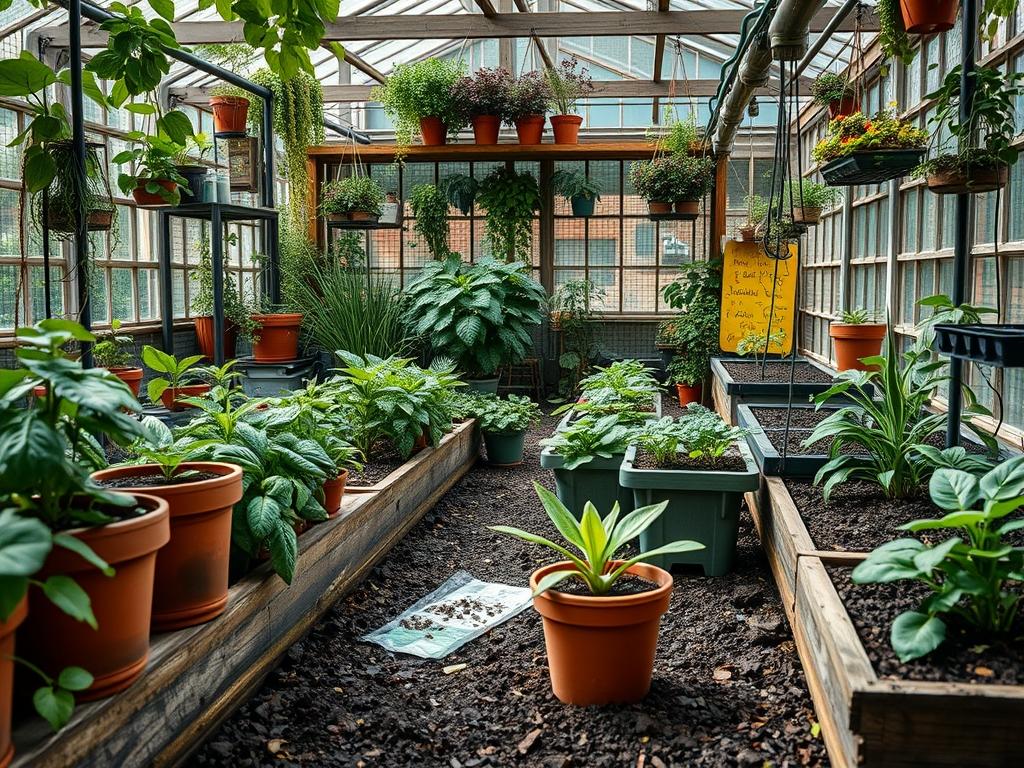
Developing a high elevation garden on a balcony requires a sophisticated understanding of microclimates and structural engineering. Unlike a traditional backyard, a balcony garden exists in a space where wind speeds are higher, humidity is lower, and the ground offers no natural insulation for root systems. This environment creates a paradox for the landscape architect. You must select the Best Soil for Balcony Pots to provide enough weight for stability against the wind while remaining light enough to honor the building’s load bearing limits. Failure to balance these factors can lead to toppled containers or, in extreme cases, structural damage to the balcony itself. Beyond the technical requirements, the aesthetic goal remains to enhance curb appeal and create a functional outdoor living space that serves as a seamless extension of the interior home.
Landscape Design Principles
Effective balcony landscaping relies on the same core principles as estate gardening, though the scale is significantly compressed. Symmetry is your first tool for creating a sense of order in a small area. Placing identical Ceramic Planters on either side of a doorway or seating area establishes a formal entrance and anchors the visual field. Focal points are equally crucial. A single, large Japanese Maple in a well chosen pot provides a structural “hero” element that draws the eye and provides a sense of permanent architecture. Without a central focal point, a balcony often looks like a cluttered collection of small objects rather than a curated environment.
Elevation layers are the next priority. In a traditional garden, we use topography to create interest. On a balcony, we achieve this through tiered shelving, hanging baskets, and varying pot heights. This vertical layering mimics the natural canopy of a forest, which creates a more immersive experience. Irrigation planning must be integrated into this design from the beginning. Installing a discrete Drip Irrigation System with 0.25 inch micro-tubing ensures that plants receive consistent moisture, which is vital because balcony pots dry out rapidly due to the wind. Finally, visual balance is maintained by mixing textures, such as the soft fronds of a Boston Fern against the hard, sleek lines of a Metal Trough Planter.
Plant and Material Selection
The following table outlines the best selections for wind prone balcony environments, focusing on resilience and aesthetic value.
| Plant Type | Sun Exposure | Soil Needs | Water Demand | Growth Speed | Maintenance Level |
| :— | :— | :— | :— | :— | :— |
| English Lavender | Full Sun | Well Draining, Sandy | Low | Moderate | Low |
| Dwarf Alberta Spruce | Partial Sun | Loamy, Acidic | Moderate | Slow | Medium |
| Creeping Sedum | Full Sun | Gritty, Succulent Mix | Very Low | Fast | Low |
| Snake Plant | Shade to Sun | All-Purpose Potting | Low | Slow | Low |
| Blue Oat Grass | Full Sun | Lean, Well Draining | Moderate | Moderate | Low |
| Trailing Rosemary | Full Sun | Highly Porous, Gritty | Low | Fast | Medium |
Implementation Strategy
The successful execution of a balcony landscape begins with a thorough layout plan. Before purchasing materials, use Blue Painter’s Tape to mark the footprint of each pot on the balcony floor. This helps you visualize traffic flow and ensures that walkways remain clear for safety and functionality. Once the layout is confirmed, focus on the weight distribution. Place larger, heavier pots near the structural beams or the building’s exterior walls where the load capacity is highest.
When filling your containers, start with a high quality drainage layer. Rather than traditional gravel, which adds excessive weight, use Recycled Plastic Drainage Cells or light Expanded Clay Pebbles. The selection of the Best Soil for Balcony Pots should involve a blend of Sphagnum Peat Moss, Perlite, and Coarse Sand. This mixture provides the necessary porosity for oxygen to reach the roots while maintaining enough structure to anchor the plant against gusts.
For edging and aesthetics, use a heavy mulch such as Polished River Stones or Crushed Lava Rock. These materials are heavy enough to stay in place during high winds, unlike wood chips which often blow away. If you are installing a “green wall” or vertical garden, use Stainless Steel Wall Anchors to secure the frame directly into the building’s masonry. This prevents the entire structure from becoming a sail during a storm. Finally, consider the grading of your balcony floor. Most balconies are slightly sloped toward a drain; ensure your pots do not obstruct this water path, as standing water can lead to root rot and staining.
Common Landscaping Failures
The most frequent mistake in balcony gardening is the use of standard Garden Soil or Topsoil. These materials are far too dense for containers. In a pot, this soil will compact over time, crushing the delicate root hairs and preventing water from draining. This leads to anaerobic conditions where roots literally drown. Another common failure is improper spacing. It is tempting to pack a pot with many different species for immediate impact, but this causes root overcrowding. Within one season, the more aggressive plants will choke out the others, leading to a patchy and unhealthy appearance.
Drainage inefficiencies are also a major concern. Many novice gardeners forget to use Pot Feet or Elevated Risers. When a pot sits directly on the balcony surface, it creates a vacuum seal that traps moisture underneath. This not only rots the bottom of the pot but can also cause permanent calcium staining or “efflorescence” on the balcony tiles. Irrigation mistakes frequently involve underestimating the drying power of the wind. A plant on a windy balcony may need twice as much water as the same plant in a sheltered backyard. Without an automated system or a rigorous manual schedule, the plants will quickly reach a “permanent wilting point.”
Seasonal Maintenance
Landscape management on a balcony shifts significantly with the seasons. In the spring, the focus is on “flushing” the soil. Potting mixes tend to accumulate salts from fertilizers and tap water over the winter. Using a Watering Can to drench the soil until water runs freely out of the bottom helps reset the chemistry for the new growing season. This is also the time to apply a slow release Granular Fertilizer to provide a steady supply of nutrients.
During the summer, wind protection and hydration are paramount. Check the moisture levels daily using a Soil Moisture Meter. If the wind becomes extreme, you may need to move your pots temporarily to the floor or cluster them together to create a humid microclimate that reduces evaporation. In the autumn, prune back any leggy growth and clear away dead leaves that could clog the balcony’s drainage grates.
Winter management involves protecting the root balls from freezing. Since the pots are exposed to the air on all sides, the soil temperature can drop much lower than the ground. Wrap sensitive pots in Burlap or Bubble Wrap, and move them as close to the heated building wall as possible. If your balcony is in a region with heavy snow, ensure the weight of the snow plus the wet soil does not exceed the balcony’s weight limit.
Professional Landscaping FAQ
How do I stop my light plastic pots from blowing over?
You should add a 2 inch layer of Large River Rocks at the bottom of the pot before adding soil. This lowers the center of gravity. Additionally, utilizing Heavy Duty Velcro Straps can help secure the base to the balcony railing.
What is the ideal weight for a balcony potting mix?
A professional mix should weigh approximately 40 to 50 pounds per cubic foot when fully saturated. Use Vermiculite and Perlite to keep the weight low while ensuring the Best Soil for Balcony Pots retains enough moisture for plant health.
Can I use a regular garden hose on a high rise balcony?
It is often impractical. Instead, install a Coiled Slinky Hose that attaches to an indoor sink or use a Battery Powered Water Pump with a dedicated water barrel. Always ensure you have a proper drainage path to avoid flooding neighbors.
Is it necessary to change the soil every year?
You do not need a full replacement every year. Instead, remove the top 4 inches of soil and replace it with fresh Organic Compost and Worm Castings. Fully replace the potting medium every three years to prevent extreme compaction and nutrient depletion.
Which plants are the most wind tolerant for high balconies?
Ornamental grasses like Mexican Feather Grass and succulents like Agave are excellent choices. Their flexible or low profile structures allow wind to pass over or through them without causing structural damage to the stems or leaves.