
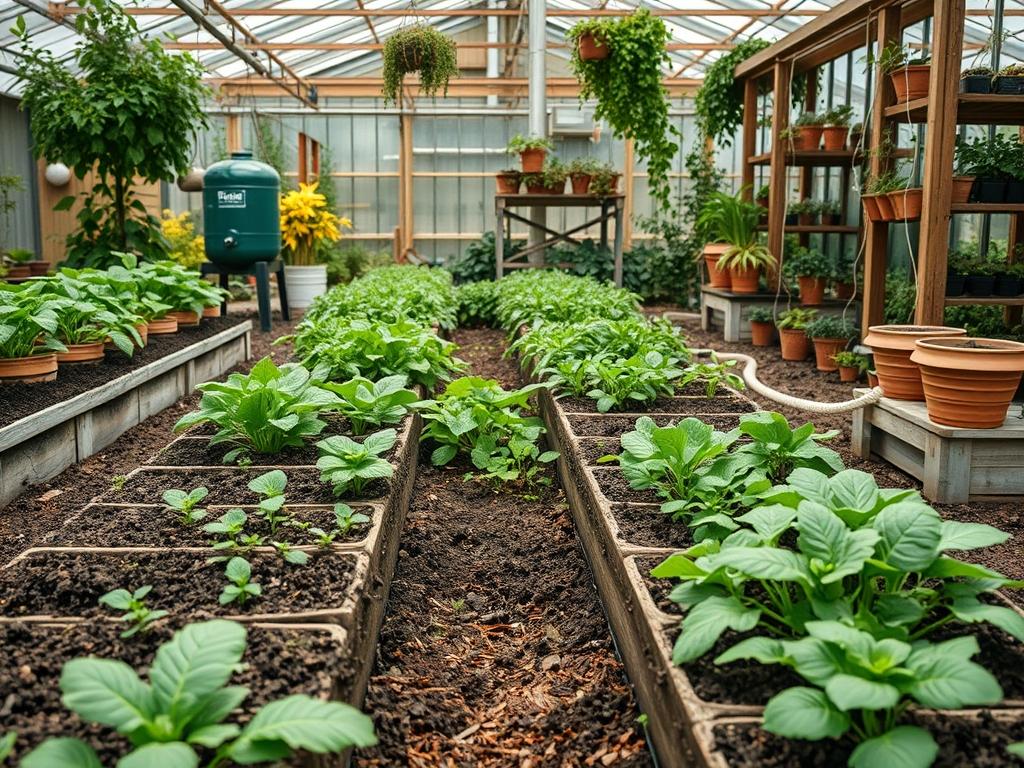
The structural integrity of a custom landscape often hinges on the subterranean environment rather than the visible foliage. While curb appeal is typically driven by the aesthetic arrangement of perennials and the crisp lines of hardscaping, the functional success of a garden depends entirely on the volume and quality of the growing medium. Determining the correct Raised Bed Soil Depth is a fundamental task for any outdoor environment consultant as it influences everything from hydration cycles to the long term health of the root systems. A bed that is too shallow will restrict root expansion and cause plants to struggle during heat waves; conversely, a bed that is unnecessarily deep can lead to wasted materials and localized soil compaction. By balancing human scale with botanical requirements, we create outdoor spaces that are both beautiful and biologically efficient.
In professional landscaping, raised beds serve as architectural focal points that define the flow of a backyard layout. These structures allow for precise control over the soil environment, which is particularly useful in regions with heavy clay or rocky ledge. Beyond the soil itself, these features provide elevation and texture, breaking up the flat monotony of a traditional lawn. When we design these spaces, we consider the intended use of the environment. For an aging homeowner, a bed depth of 24 inches to 30 inches might be necessary for ergonomic accessibility, regardless of what is being planted. For a low profile decorative border, a depth of 12 inches may suffice. The goal is to marry the functional needs of the plant with the lifestyle needs of the user, ensuring that the outdoor living space remains a source of joy rather than a maintenance burden.
Landscape Design Principles
Effective landscape design relies on the principles of symmetry and focal points to guide the eye across the property. Raised beds are excellent tools for creating these anchors, especially when used to flank an entrance or define a transition between a patio and a wooded area. Elevation layers are key here; by varying the height of several beds, a designer can create a sense of depth and complexity even in a small urban lot. This verticality also assists with irrigation planning. By placing taller beds on a slightly higher grade, a designer can utilize gravity to manage runoff, ensuring that water does not pool at the base of the structures and compromise the longevity of the building materials.
Visual balance is achieved when the scale of the raised bed matches the surrounding architecture. A massive 8-foot tall retaining wall bed would overwhelm a small bungalow, whereas a series of 12-inch frames might look lost in a sprawling estate. We must also consider the walkways between these structures. For a comfortable experience, paths should be at least 36 inches wide to allow for maintenance equipment such as wheelbarrows. The material of these paths, whether they are crushed stone, pavers, or mulch, must integrate seamlessly with the bed walls to provide a cohesive aesthetic. When these elements are aligned, the raised beds function as part of a whole system, enhancing the topography and increasing the overall value of the property.
Plant and Material Selection
Selecting the right combination of flora and substrate is the next phase of successful garden planning. Different species require vastly different root volumes, and understanding these needs prevents the overcrowding and nutrient competition that leads to stunted growth.
| Plant Type | Sun Exposure | Soil Needs | Water Demand | Growth Speed | Maintenance Level |
| :— | :— | :— | :— | :— | :— |
| Leafy Greens | Full to Partial | Loose Loam | High | Fast | Low |
| Root Vegetables | Full Sun | Sandy Mix | Moderate | Medium | Moderate |
| Large Solanaceous | Full Sun | Nutrient Rich | High | Fast | High |
| Perennial Herbs | Full Sun | Well Draining | Low | Medium | Low |
| Woody Shrubs | Full/Partial | Compaction Resistant | Moderate | Slow | Low |
| Berry Brambles | Full Sun | Acidic Mix | Moderate | Fast | Moderate |
For most leafy greens like Spinach and Lettuce, a Raised Bed Soil Depth of 6 to 12 inches is sufficient. However, for deeper-reaching plants such as Tomatoes or Peppers, a minimum of 18 to 24 inches is recommended to support their extensive root structures and offer stability during high winds.
Implementation Strategy
The successful implementation of a raised bed begins with site preparation and grading. It is a common mistake to place a bed directly on top of existing turf without addressing the underlying soil. For optimal results, one should scalp the grass and utilize a rototiller to loosen the first few inches of native earth. This ensures that there is no hard pan layer that might impede drainage. Once the ground is prepared, we install a layer of hardware cloth or gopher wire at the bottom to prevent burrowing pests from entering the growing zone.
Building the frame requires durable materials like cedar, redwood, or powder coated galvanized steel. These materials resist rot and maintain their structural integrity under the weight of wet soil. After the frame is leveled and secured, a geotextile fabric can be used to line the walls, which prevents fine soil particles from leaching through gaps in the wood. When filling the bed, we recommend a “Hugelkultur” approach for very deep beds, which involves placing large hardwood logs and branches at the bottom. This reduces the amount of expensive compost and topsoil required while providing a long-term source of organic matter as the wood slowly decays. For the top 12 to 18 inches, a high quality blend of peat moss, vermiculite, and aged manure should be used to ensure a nutrient dense environment.
Common Landscaping Failures
The most frequent error in raised bed construction is improper drainage. If a bed is built on a non-porous surface like concrete without a proper drainage layer of coarse gravel, the soil can become waterlogged, leading to root rot and anaerobic conditions. Additionally, many gardeners ignore the physics of soil settling. Over the first season, a new bed can settle by as much as 20 percent of its total volume. If the designer does not account for this by overfilling the bed initially, the plants will eventually sit too far below the rim, which restricts airflow and creates a microclimate prone to fungal diseases.
Root overcrowding is another significant failure point. When the Raised Bed Soil Depth is insufficient for the species planted, the roots will begin to circle the bottom of the container. This “pot-bound” state prevents the plant from accessing the full spectrum of available nutrients, making it more susceptible to pests. Furthermore, using the wrong type of mulch can lead to issues. Heavy wood chips can tie up nitrogen at the soil surface as they decompose, while a thin layer of straw might blow away in the wind. A balanced application of 2 to 3 inches of mulching material is necessary to maintain moisture levels without suffocating the soil.
Seasonal Maintenance
Maintenance is a year-round commitment that changes with the cycles of the environment. In the Spring, the focus is on soil revitalization. We recommend adding a 3-inch layer of fresh compost to the surface of every bed to replenish nutrients lost during the previous growing season. This is also the time to inspect the structural integrity of the bed walls and tighten any loose fasteners. In the Summer, irrigation efficiency becomes the priority. Soaker hoses or drip irrigation lines should be checked for clogs to ensure that water is reaching the root zone effectively during the hottest part of the day.
As we transition into Autumn, it is time to clear out spent annuals and plant cover crops such as clover or winter rye. These crops prevent soil erosion and add nitrogen back into the earth. Finally, in the Winter, maintenance involves protecting the infrastructure. In colder climates, the expansion of freezing soil can put immense pressure on the walls of a raised bed. Ensuring that the soil is not overly saturated before the first hard freeze can help mitigate this risk. Additionally, cleaning and storing trellises and garden stakes will prevent the spread of pathogens to next year’s crop.
Professional Landscaping FAQ
What is the absolute minimum depth for a raised bed?
For most shallow-rooted vegetables like herbs and greens, a minimum depth of 6 to 8 inches is required. However, for a truly versatile garden that can support a variety of crops, a depth of 12 inches is the professional standard.
Do I need to put a bottom on my raised bed?
Generally, no. Leave the bottom open to allow roots to access deeper nutrients and to ensure superior drainage. Use hardware cloth only if you need to deter burrowing rodents or if the bed is placed on a contaminated surface.
How do I calculate the amount of soil needed?
Multiply the length by the width and the depth in feet to find the total cubic feet. Divide this number by 27 to convert it to cubic yards. Always order 10 percent more than calculated to account for natural settling.
Can I use treated lumber for my garden beds?
Modern pressure-treated lumber is typically safe as it no longer uses arsenic. However, many professionals prefer cedar or composite materials to avoid any chemical leaching. Using a plastic liner on the interior walls provides an extra layer of protection.
How often should I replace the soil in a raised bed?
You do not need to replace the entire volume of soil. Instead, refresh the top 4 to 6 inches with high-quality organic compost and amendments every year to maintain fertility and soil structure for the next planting cycle.