
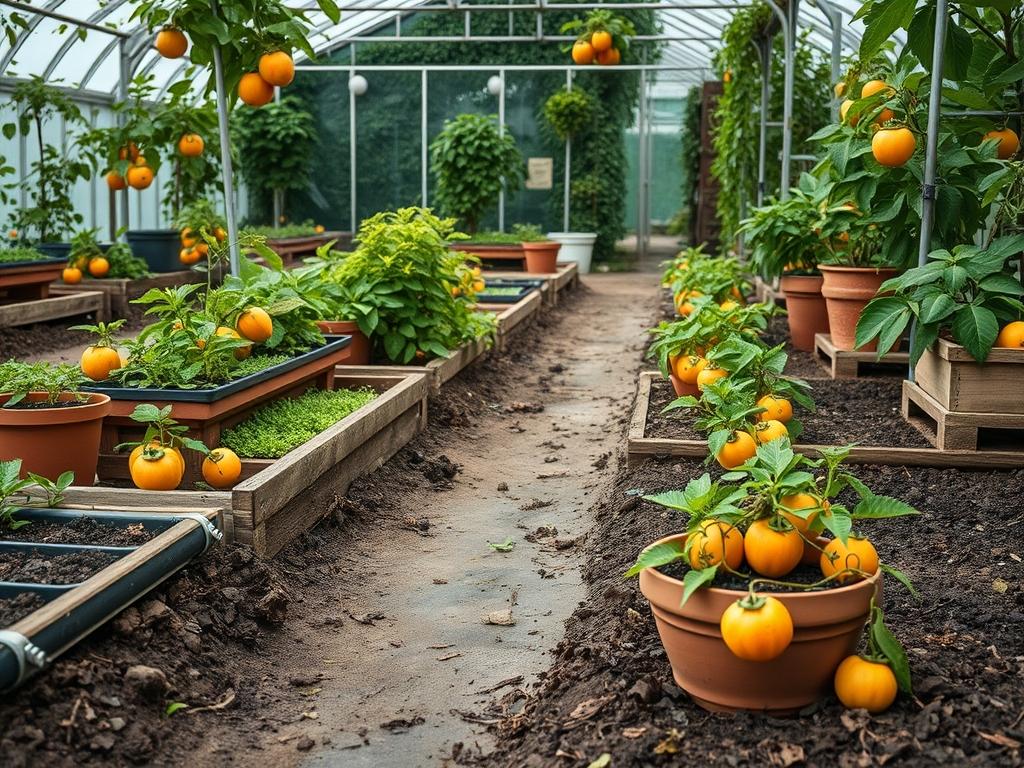
Integrating a persimmon tree into a high end residential landscape requires more than simply digging a hole and dropping in a root ball. These trees, known for their architectural branch patterns and vibrant autumnal displays, serve as a bridge between productive orcharding and ornamental elegance. A successful installation enhances a property’s curb appeal while providing a functional outdoor space that yields high quality fruit. However, the longevity of these specimens relies almost entirely on the invisible foundation beneath the turf. Determining the best soil for persimmons is the first step in a multi year strategy to ensure the tree reaches its full height and produces a heavy canopy. While persimmons are remarkably adaptive to various climates, especially within USDA zones 4 through 9, they have a low tolerance for poor drainage and anaerobic soil conditions. A landscape architect must look at the site’s topography, existing soil structure, and microclimate before specifying the placement of these trees.
The primary landscaping challenge with persimmons involves balancing their water needs with the risk of root rot. In many urban and suburban environments, construction grading often leaves behind heavily compacted subsoil that prevents deep root penetration. To solve this, a consultant must design a planting environment that mimics the tree’s native alluvial forest floors. This involves creating a soil profile that is rich in organic matter but retains enough porosity to allow oxygen to reach the root zone. When these environmental factors are ignored, the tree may enter a state of chronic stress, leading to premature fruit drop or increased susceptibility to pests like the persimmon borer. By prioritizing the soil chemistry and physical structure during the design phase, the landscape remains resilient, productive, and visually striking for decades.
Landscape Design Principles
Effective landscape design using Diospyros species hinges on the principle of focal points and visual weight. Because persimmons develop a distinctive, rugged bark and a lush, rounded crown, they naturally draw the eye toward specific quadrants of a garden. To achieve a sense of symmetry, one might plant a pair of Fuyu Persimmons to flank a grand entryway or define a transition point between a formal lawn and an informal woodland area. Elevation layers are equally important. A maturing persimmon provides a mid story canopy that sits perfectly between lower shrubs and taller shade trees like Oaks or Maples. This layering creates a sense of depth and enclosure, which is essential for making a large backyard feel intimate and private.
Irrigation planning must be integrated into the initial layout to prevent the soil from becoming either a swamp or a desert. In a professional landscape, the use of sub surface drip irrigation is preferred over spray heads. This ensures that the root zone receives consistent moisture without wetting the foliage, which can lead to fungal issues. Furthermore, the placement of walkways and hardscaping around the tree must account for the ultimate spread of the roots. Using permeable pavers or a thick layer of organic mulch near the base of the tree allows the “best soil for persimmons” to breathe, avoiding the common mistake of sealing the ground with non-porous materials that lead to soil compaction and heat stress.
Plant and Material Selection
| Plant Type | Sun Exposure | Soil Needs | Water Demand | Growth Speed | Maintenance Level |
| :— | :— | :— | :— | :— | :— |
| Fuyu Persimmon | Full Sun | Sandy Loam, pH 6.0-7.5 | Moderate | Medium | Low |
| Hachiya Persimmon | Full Sun | Deep Loam, Well-Drained | Moderate | Medium | Medium |
| American Persimmon | Full/Partial Sun | Adaptable, Moist Soil | High | Moderate | Low |
| Rosemary (Companion) | Full Sun | Well-Drained, Gritty | Low | Fast | Low |
| Lavender (Companion) | Full Sun | Alkaline, Well-Drained | Low | Medium | Medium |
| Compost-Enriched Topsoil | N/A | High Organic Matter | N/A | N/A | N/A |
Implementation Strategy
The transition from a design on paper to a living garden begins with rigorous site preparation. The first step involves a comprehensive soil test to determine the nutrient profile and pH of the existing earth. If the soil is heavy clay, the strategy shifts toward “mounding” or “berming.” By creating a gentle elevation using a mix of sandy loam and aged compost, you effectively lift the root flare above the water table. This technique ensures that the best soil for persimmons is available where it matters most. During the grading process, ensure the land slopes away from the trunk at a 2 percent incline to prevent water from pooling at the base.
Once the grade is set, use a mechanical auger or a sharpshooter spade to dig a hole twice as wide as the root ball but no deeper. The goal is to set the tree on firm, unexcavated ground to prevent settling. As you backfill, incorporate mycorrhizal fungi to encourage rapid root establishment. Edging the planting bed with steel landscape edging or natural stone helps maintain a clean boundary between the turf and the tree’s mulch zone. Apply a 3 inch layer of wood chip mulch, keeping it several inches away from the bark to prevent collar rot. This mulch layer eventually breaks down, continuously improving the soil structure and mimicking the natural nutrient cycling of a forest.
Common Landscaping Failures
The most frequent failure in persimmon management is the “bathtub effect.” This occurs when a large hole is dug in heavy clay soil and filled with high quality, porous amendment. When it rains, the surrounding clay acts as a waterproof basin, trapping water in the hole and drowning the roots. To avoid this, either amend the entire garden bed or install a French drain to lead excess moisture away from the site. Another common mistake is over fertilization with high nitrogen products. While it might seem beneficial, excessive nitrogen leads to rapid, weak growth that is prone to breaking and results in poor fruit quality.
Soil compaction is a silent killer in many professional landscapes. Heavy machinery used during construction can compress the soil so tightly that roots cannot penetrate and water cannot infiltrate. If compaction is present, a vibratory plow or radial trenching with an AirSpade may be necessary to fracture the soil before planting. Finally, improper spacing is a recurring issue. A Hachiya Persimmon can reach a width of 25 feet; planting it too close to a house or a fence will eventually lead to structural conflicts and the need for aggressive, unsightly pruning that ruins the tree’s natural form.
Seasonal Maintenance
A proactive maintenance schedule is what separates a thriving landscape from a struggling one. In the spring, apply a balanced, slow release fertilizer just as the buds begin to swell. This is also the time to refresh the mulch and check the drip irrigation emitters for clogs. As the heat of summer arrives, monitor soil moisture levels using a tensiometer or a simple soil probe. If the leaves begin to wilt or curl, increase the duration of irrigation cycles while ensuring the drainage remains functional.
Autumn is the season where the persimmon truly shines, as the fruit hangs on the branches like orange baubles. During this time, remove any fallen fruit or debris to prevent the buildup of pathogens. In the winter, the tree enters dormancy, which is the ideal window for structural pruning. Use bypass pruners and loppers to remove crossing branches, water sprouts, and deadwood. This opens up the center of the canopy to sunlight and airflow, which is critical for the next season’s fruit production. It also allows the landscape architect’s vision of a clean, sculptural silhouette to be visible throughout the winter months.
Professional Landscaping FAQ
What is the ideal pH for persimmon trees?
The best soil for persimmons maintains a pH between 6.0 and 7.5. Soil that is too acidic or too alkaline will lock out essential micronutrients, leading to yellowing leaves and stunted growth. Regular testing is recommended every three years.
How do I improve drainage in heavy clay soil?
Incorporate organic matter like leaf mold or compost into the entire planting area. For severe cases, install perforated drainage pipes or plant the tree on a raised berm to keep the transition zone above the saturated ground level.
Can I plant persimmons near a concrete driveway?
It is possible, but not ideal. Concrete can leach lime into the soil, raising the pH. Additionally, falling fruit from certain varieties can stain concrete. Use non-astringent Fuyu varieties to minimize mess and monitor soil pH levels regularly.
How much mulch should I use around the base?
Apply a 3 to 4 inch layer of organic mulch such as arborist wood chips. Always maintain a gap of at least 6 inches between the mulch and the trunk to prevent moisture retention against the bark, which causes rot.
Do persimmons require a lot of supplemental fertilizer?
No, persimmons are relatively light feeders. Over fertilizing can actually cause fruit to drop prematurely. Focus instead on maintaining high quality soil biology through the addition of compost and avoiding synthetic chemicals that kill beneficial soil microbes.