
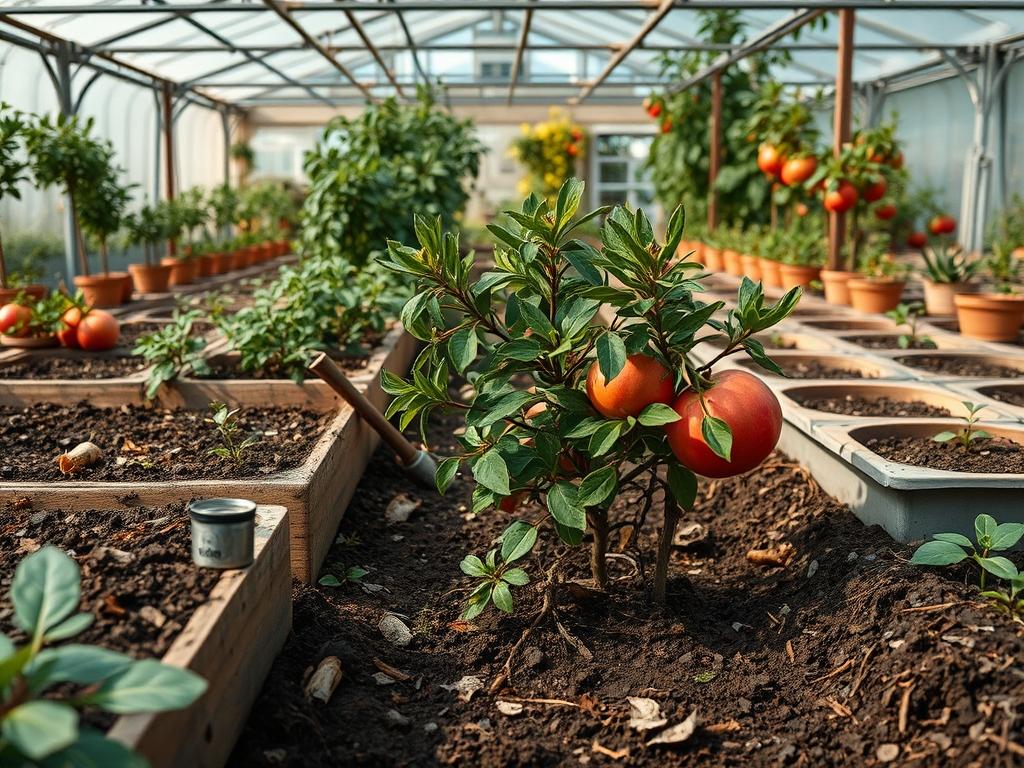
Successfully integrating pomegranate trees into a modern landscape requires more than just an aesthetic eye; it demands a deep understanding of subterranean dynamics. In professional landscape architecture, we view the pomegranate, or Punica granatum, as both a structural anchor and a high-yield agricultural asset. These trees offer a striking silhouette with their twisted trunks and vibrant orange-red blooms, but their success is entirely dependent on the foundational health of the earth. When we discuss Pomegranate Soil Needs, we are not simply talking about dirt. We are evaluating a complex matrix of drainage capacity, mineral availability, and microbial activity that determines whether a tree thrives or merely survives. For a homeowner or a developer, a failing pomegranate tree represents a loss of curb appeal and a waste of initial investment. By prioritizing soil specifications during the planning phase, we ensure the tree serves its multi-functional role as a privacy screen, a focal point, and a provider of nutrient-dense fruit.
Landscape Design Principles
In the realm of high-end outdoor environments, pomegranates are often utilized as specimen plants to create dramatic focal points. Their ability to be trained as either a multi-stemmed shrub or a single-trunk tree allows for significant versatility in elevation layers. When planning a layout, I recommend using pomegranates to provide mid-level height, bridging the gap between low-growing perennials and towering canopy trees. This layered approach creates a sense of depth and enclosure, which is essential for transforming a basic backyard into a sophisticated outdoor room. Symmetry can be achieved by flanking a stone walkway or a grand entryway with matched cultivars, though the natural, gnarly growth habit of an older pomegranate often lends itself better to an asymmetrical, naturalistic garden design.
Irrigation planning must be integrated into the design from the very beginning. Because Pomegranate Soil Needs dictate a cycle of deep watering followed by brief dry periods, the irrigation zones must be isolated from high-water turf areas. Placing these trees near a retaining wall can offer both a beautiful visual contrast and practical drainage benefits. The stone of a retaining wall absorbs heat during the day and radiates it back to the tree at night, which can be particularly beneficial in the fringe areas of USDA zone 7. Furthermore, consider the visual balance of the fruit. In late autumn, the heavy, red globes can weigh down branches, so the surrounding walkway must be wide enough to accommodate the slightly weeping habit of a fruiting tree without obstructing foot traffic.
Plant and Material Selection
Selecting the right plant goes hand-in-hand with selecting the right medium. The following table outlines the requirements for pomegranates and common companion plants used to create a cohesive landscape.
| Plant Type | Sun Exposure | Soil Needs | Water Demand | Growth Speed | Maintenance Level |
| :— | :— | :— | :— | :— | :— |
| Wonderful Pomegranate | Full Sun | Sandy Loam, pH 5.5-7.2 | Moderate | Medium | Moderate |
| Parfianka Pomegranate | Full Sun | Well-drained, Rich | Moderate | Medium | Moderate |
| Rosemary (Chef’s Choice) | Full Sun | Gritty, Alkaline | Low | Fast | Low |
| Lavender (Munstead) | Full Sun | Lean, Sandy | Low | Medium | Low |
| Dwarf Fountain Grass | Full/Part Sun | Adaptable, Well-drained | Low to Moderate | Fast | Low |
| Versailles Laurel | Part Sun | Loamy, Moist | Moderate | Fast | High |
Implementation Strategy
The implementation process begins with professional grading. To satisfy Pomegranate Soil Needs, the site must be sloped away from the trunk to prevent water from pooling at the collar. If you are dealing with heavy clay, I often suggest creating a raised mound, or berm, roughly 18 inches high and 4 feet wide. This elevation ensures that the primary root zone remains aerated even during heavy seasonal rains. Start by excavating a hole that is twice as wide as the root ball but no deeper. This prevents the tree from settling too low over time, which can lead to crown rot.
Once the hole is prepared, evaluate the backfill. I recommend a mixture of 60 percent native soil and 40 percent organic compost. Do not over-amend the hole with purely bag-grown potting soil, as this creates a transition zone that roots are often reluctant to cross, leading to a “potted” effect in the ground. For structural edging, utilize heavy-gauge steel or natural stone to define the tree’s mulch ring. For the mulch itself, apply a 3-inch layer of arborist wood chips or shredded cedar, keeping the material at least 6 inches away from the trunk to prevent fungal infections. Hardscaping elements, such as decomposed granite paths or flagstone patios, should be installed with a permeable base to allow for lateral water movement to the root zone.
Common Landscaping Failures
The most frequent mistake I see in residential orchards is the “bathtub effect.” This occurs when a hole is dug into heavy clay and filled with light, porous potting soil. The hole acts as a basin, trapping water and drowning the roots. To avoid this, a percolation test should be performed before planting. If the water does not drain within 24 hours, a subsurface drainage system or a French drain may be necessary. Another common failure is root overcrowding. Pomegranates have a vigorous, spreading root system. Planting them too close to foundations, septic lines, or swimming pools can lead to costly structural damage as the tree matures and the roots exert pressure.
Soil compaction is a silent killer in new construction landscapes. Heavy machinery often packs the earth down to the density of concrete, destroying the pore space required for oxygen exchange. Before planting, the entire area should be mechanically aerated or broad-forked. Additionally, improper irrigation timing can ruin a pomegranate crop. While the tree is drought-tolerant, inconsistent watering during the fruit-ripening stage causes the internal pressure to fluctuate, resulting in split fruit. A smart irrigation controller paired with pressure-compensating emitters is the best way to maintain the steady moisture levels required for high-quality yields.
Seasonal Maintenance
Maintenance is a year-round commitment that shifts with the biology of the tree. In the spring, the focus is on growth. This is the time to apply a balanced 10-10-10 fertilizer or a thick layer of well-aged steer manure to meet the nitrogen demands of new foliage. Professional pruning should be completed before the buds break. Remove any “suckers” emerging from the base to maintain a clean architectural form and direct energy to the main fruiting branches.
Summer maintenance involves monitoring the drip irrigation system to ensure emitters are not clogged by mineral buildup. As the heat intensifies, check the mulch depth. If it has thinned, replenish it to keep soil temperatures stable. In the autumn, harvest marks the transition. Once the fruit is removed, sanitation is the priority. Clean up any fallen fruit or leaf litter to prevent pests like the leaffooted bug from overwintering in the soil. During the winter, the pomegranate goes dormant. This is the ideal time for structural pruning and applying a dormant oil spray to manage scale insects. If your soil pH has drifted toward the acidic side, a winter application of garden lime can help stabilize the Pomegranate Soil Needs before the next growing cycle begins.
Professional Landscaping FAQ
What is the ideal soil pH for pomegranates?
Pomegranates prefer a soil pH between 5.5 and 7.2. While they are remarkably adaptable to alkaline conditions, they thrive best in slightly acidic to neutral environments. Regular soil testing ensures the minerals remain bioavailable for fruit production.
How do I fix drainage in heavy clay soil?
The most effective method is planting on mounds or elevated berms. Incorporating expanded shale or gypsum can also help break down clay particles, improving the internal drainage and preventing the root rot common in dense, heavy soils.
Is mulch necessary for pomegranate trees?
Yes, a 3-inch layer of organic mulch is essential. It regulates soil temperature, conserves moisture during hot summers, and gradually improves soil structure as it decomposes. Always keep mulch away from the direct base of the trunk.
Can pomegranates grow in containers?
Dwarf varieties like Nana perform well in large pots. However, they require a high-quality potting mix with added perlite for drainage. Container-grown trees need more frequent watering and fertilization than those planted in the natural landscape.
How often should I fertilize my pomegranate?
Established trees should be fertilized twice a year. The first application should occur in early spring as new growth appears. A second, lighter application can be done in mid-summer to support fruit development and overall tree vigor.