
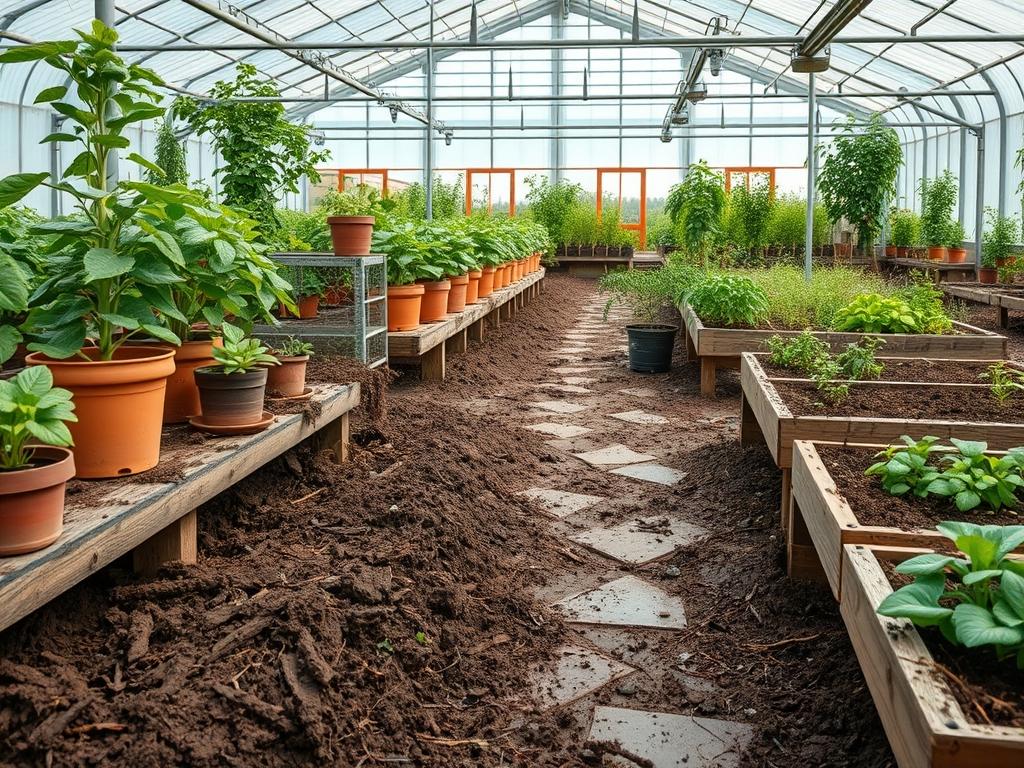
Designing a functional and aesthetically pleasing landscape requires a deep synchronization between the plant’s evolutionary history and the site’s current environmental conditions. When integrating the Pawpaw (Asimina triloba) into a professional landscape design, the primary challenge lies in its specific micro-climate needs. Often referred to as the “Kentucky Banana,” this native tree offers a unique tropical aesthetic and edible fruit, yet it is frequently misunderstood by residential contractors. To successfully establish these trees, a landscape architect must look toward the riparian corridors of the American Midwest and Southeast. The fundamental goal is to recreate the rich, silty, and consistently moist environment found in river bottoms. By prioritizing these specific Pawpaw Soil Requirements, you ensure that your outdoor investment yields not only a high curb appeal but also a thriving, long-term biological asset.
Landscape Design Principles
In professional landscape architecture, every plant must serve a dual purpose of form and function. The Pawpaw is an exceptional candidate for creating multi-layered focal points within a yard. Because they are naturally understory trees, they thrive when placed in a design that mimics a forest edge. When planning the layout, consider the principle of elevation layers. By planting Pawpaws behind shorter shrubs like Winterberry or Native Ferns, you create a visual transition that leads the eye upward toward the canopy. This layering technique provides the necessary shade for young trees while maintaining a clean, structured appearance.
Symmetry and visual balance are also critical. While many edible plants are relegated to the backyard, the Pawpaw possesses large, drooping leaves that provide a lush, architectural texture perfect for framing walkways or entryways. However, high-end landscape projects must also account for irrigation planning. Unlike standard fruit trees that might tolerate dry spells, the Pawpaw requires a system that ensures soil moisture remains constant without becoming stagnant. Integrating these trees near a rain garden or at the base of a gentle slope can leverage natural drainage patterns, effectively turning a potential runoff problem into a site-specific advantage.
Plant and Material Selection
The success of a riparian-style installation depends on selecting the right companion plants and soil amendments. The following table outlines the requirements for a successful Pawpaw centered plant palette.
| Plant Type | Sun Exposure | Soil Needs | Water Demand | Growth Speed | Maintenance Level |
| :— | :— | :— | :— | :— | :— |
| Pawpaw Tree | Part Shade to Full Sun | Loamy, High Organic Matter | High | Medium | Moderate |
| River Birch | Full Sun | Acidic, Moist | High | Fast | Low |
| Ostrich Fern | Shade | Humus-rich, Wet | Medium-High | Medium | Low |
| Switchgrass | Full Sun | Adaptable, Deep Roots | Low-Medium | Fast | Low |
| American Elderberry | Full/Part Sun | Rich, Moist, Well-drained | High | Fast | Moderate |
To achieve the “River Bottom” effect, the material selection must include Hardwood Bark Mulch, Composted Leaf Mold, and Silt-heavy Topsoil. These materials work in tandem to insulate the root zone and provide the slow-release nutrients that the trees have evolved to expect from seasonal flooding events in the wild.
Implementation Strategy
The transition from a design on paper to a physical landscape involves precise execution. Step one is a thorough site grading analysis. Because you are mimicking a river bottom, you must ensure the site has excellent percolation despite high moisture levels. If your backyard consists of heavy clay, you should avoid digging a simple hole. This can create a “bathtub effect” where water sits and drowns the roots. Instead, utilize a Backhoe or Auger to create a wider planting area, blending the native soil with Organic Compost and Coarse Sand to improve porosity.
Next, establish your hardscaping and edging. Use Natural Stone or Steel Edging to define the boundaries of the planting bed. This prevents lawn grasses, which are heavy nitrogen feeders, from competing with the young trees. When planting the Pawpaw, ensure the root flare is exactly at the soil surface level. Applying a 3-inch Layer of Mulch is the final, non-negotiable step. This mulch should be spread in a wide circle around the trunk; however, it must not touch the bark itself. This mimicking of the forest floor’s “duff” layer helps regulate temperature and serves as a reservoir for moisture during the heat of the mid-summer.
Common Landscaping Failures
The most frequent mistake in installing Pawpaws is a failure to recognize their juvenile sensitivity. In their natural riverine habitats, young trees are shaded by a mature canopy for the first few years. In a modern landscape, planting a sapling in a wide-open, scorched-earth lawn often leads to leaf burn and death. Designers must provide temporary shade or plant them on the eastern side of a structure where they receive morning sun but are protected from the harsh afternoon heat.
Soil compaction is another silent killer. During construction or hardscaping, heavy machinery can crush the pore spaces in the soil. For a tree that requires the airy, crumbly texture of an alluvial plain, compacted soil is a death sentence. Always use Soil Aerators or Tilling Tools to loosen the earth in a 10-foot Radius around the planting site. Furthermore, ignore the temptation to use high-nitrogen synthetic fertilizers. These can overwhelm the tree and damage the delicate mycorrhizal fungi that Pawpaws rely on to uptake nutrients. Organic, slow-release options are the only professional choice here.
Seasonal Maintenance
Maintaining a river-mimicking landscape requires a rhythmic approach to the seasons. In the Spring, focus on soil moisture and structural pruning. This is the time to check your Drip Irrigation lines for clogs and to apply a fresh 1-inch Layer of Compost. Pruning should be kept to a minimum, only removing “the three Ds”: dead, damaged, or diseased wood.
As Summer arrives, the priority shifts entirely to hydration. If the area does not receive at least 1 Inch of Rainfall per week, manual supplemental watering is required. Monitoring for the Pawpaw Sphinx Caterpillar is also necessary; while they are part of the ecosystem, a concentrated infestation on a young tree can cause significant defoliation. In the Autumn, allow the tree’s large, golden leaves to fall and remain on the ground. These leaves break down into the exact organic matter the tree needs for the following year. Finally, during the Winter, ensure the trees are protected from rabbit and deer damage. Using a Wire Mesh Cage or Plastic Tree Guard around the base of the trunk can prevent girdling when food sources for local wildlife become scarce.
Professional Landscaping FAQ
How do I test if my soil is moist enough for Pawpaws?
Use a Soil Moisture Meter or the “Finger Test.” The soil should feel like a wrung-out sponge 4 Inches below the surface. If the soil is dusty or hard, your irrigation frequency must be increased immediately.
Can Pawpaws grow in heavy clay environments?
They can survive, but growth will be stunted. To succeed in clay, you must mound the soil to create a “raised berm.” Incorporate Gypsum and Organic Matter to break up the clay particles and improve drainage.
Do I need two trees for a successful landscape?
Yes, most Pawpaws are not self-fertile. For a functional edible landscape, you must plant two genetically different varieties. Space them roughly 10 to 15 Feet apart to ensure proper cross-pollination by beetles and flies.
What is the best mulch for mimicking a river bottom?
Arborist Wood Chips or Shredded Leaf Litter are the superior choices. These materials decompose at a rate that mimics the natural accumulation of debris on a flood plain, providing optimal nutrients and moisture retention for the roots.
How long until a newly planned landscape yields fruit?
A grafted Pawpaw tree usually begins fruiting within 3 to 5 Years of planting. Seedlings may take 7 to 10 Years. Patience is key, as the tree’s internal energy is primarily focused on root establishment during the early phases.