
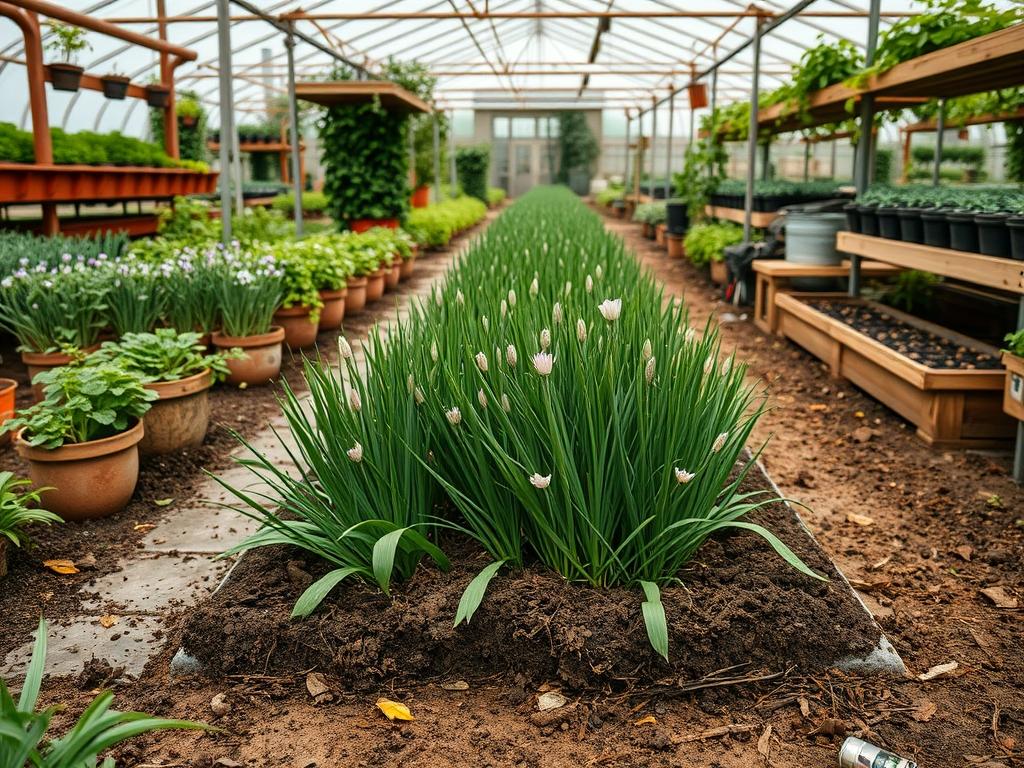
Designing a functional outdoor environment involves more than selecting aesthetically pleasing flora; it requires a deep understanding of the biological demands of each species to ensure long term viability. Integrating Chives into a professional landscape provides a unique opportunity to blend edible gardening with ornamental architecture. These resilient perennials offer striking purple blooms and fine textures that enhance curb appeal while serving a practical purpose in the kitchen. However, the success of these plants relies heavily on a precise understanding of Chive Soil Requirements. Proper site preparation ensures that these plants act as effective groundcovers or border agents rather than becoming patchy liabilities in the garden. In professional design, we treat every plant as a structural element that must withstand local climate fluctuations and soil variances.
When we approach a new project, the landscape architect must weigh the visual impact against the maintenance budget. Chives are favored because they provide a reliable, low maintenance filler that thrives in temperate zones. Their thin, upright foliage adds a vertical dimension to flat groundcovers, creating a sense of movement when the wind passes through the garden. For homeowners seeking a balance between a manicured look and a productive yard, understanding the nutritional and physical properties of the earth is the first step toward achieving a sustainable outdoor living space.
Landscape Design Principles
In professional landscape architecture, we use principles like symmetry and focal points to guide the eye across a property. Chives are exceptionally versatile in this regard because they can be planted in tight, repeating clusters to create a sense of rhythm along walkways or stone paths. By placing these plants in elevation layers, typically in the foreground as a 12 inch tall border, we create a transition between low lying clover or turf and taller woody shrubs or ornamental trees. This layering technique provides a sense of depth that makes smaller backyards feel more expansive.
Irrigation planning is another critical design principle. Because Chives prefer consistent moisture but detest standing water, they are often placed on slight elevations or near the top of retaining walls. This placement allows gravity to assist with drainage, preventing the bulbous roots from suffocating in anaerobic conditions. Visual balance is achieved by pairing the delicate stalks of Alliums with broader leaf textures, such as those found in Hosta or Sage. This contrast in foliage density prevents the landscape from looking monotonous and ensures year round interest even after the purple flowers have faded.
Plant and Material Selection
Selecting the right materials involves matching the biological needs of the plant with the existing site conditions. While Chives are hardy, they respond best to soil that has been amended with organic matter. We often specify a blend of aged compost and expanded shale to ensure the Chive Soil Requirements for aeration are met. The following table outlines the specifications for including these plants in a high end residential landscape.
| Plant Type | Sun Exposure | Soil Needs | Water Demand | Growth Speed | Maintenance Level |
| :— | :— | :— | :— | :— | :— |
| Common Chives | Full Sun to Part Shade | Loamy, 6.5 pH | Moderate | Fast | Low |
| Garlic Chives | Full Sun | Well-draining | Moderate | Fast | Low |
| Ornamental Allium | Full Sun | Sandy Loam | Low to Moderate | Medium | Medium |
| Sweet Alyssum | Full Sun | Rich Organic | High | Fast | Low |
| Creeping Thyme | Full Sun | Gritty, Lean | Low | Medium | Very Low |
Implementation Strategy
The successful installation of a Chive border begins with professional grading. Before any foliage is placed, the subsoil must be sloped away from the home foundation at a rate of at least two percent. This prevents water from pooling near the plants or the hardscape. Once the grading is complete, we define the planting beds using steel edging or tumbled stone. This physical barrier keeps the Chives from migrating into the lawn and provides a clean, crisp line that defines the garden architecture.
Next, the existing soil is amended to meet Chive Soil Requirements. We typically excavate the top 8 inches of soil and replace it with a mixture of 60% topsoil, 30% composted manure, and 10% coarse sand. This ensures a loamy texture that allows for rapid root expansion. When planting, each clump should be spaced 10 inches apart to allow for future growth and air circulation. After the plants are set, a 2 inch layer of hardwood mulch or pine straw is applied. This mulch serves three purposes: it suppresses weed competition, regulates soil temperature, and slowly breaks down to provide micronutrients to the root zone.
Common Landscaping Failures
The most frequent error in herb landscaping is poor drainage. While many gardeners believe more water is better, Chives will quickly develop root rot if the soil remains saturated for more than 24 hours. This usually occurs in heavy clay soils where the pore space is too small to allow oxygen to reach the roots. To fix this, we often install French drains or subterranean perforated pipes to whisk excess moisture away from the planting beds.
Another common failure is soil compaction. In high traffic areas near patios or outdoor kitchens, the weight of foot traffic compresses the soil particles, squeezing out the air. Chives planted in compacted earth will appear stunted and yellowed. To mitigate this, we recommend using flagstone pavers to direct traffic, ensuring that the soil around the plants remains loose and friable. Finally, over fertilization can lead to a “lush but weak” growth pattern. Using a high nitrogen fertilizer encourages leafy growth at the expense of floral development and flavor. A balanced, slow release 5-10-5 fertilizer applied once in the spring is usually sufficient to meet all Chive Soil Requirements without overwhelming the plant.
Seasonal Maintenance
Seasonal management is the key to a professional looking garden. In the Spring, maintenance begins with dividing the clumps. Every three years, use a spade to lift the Chives and split them into smaller sections. This rejuvenates the plant and provides free material for other areas of the landscape. This is also the time to apply a fresh layer of compost to replenish the nutrient profile of the soil.
During the Summer, the focus shifts to moisture management and deadheading. As temperatures rise, the evaporation rate increases, requiring more frequent irrigation through drip emitters. Removing the spent flower heads before they go to seed prevents the plant from becoming invasive while encouraging a second flush of green growth. In the Autumn, the foliage can be cut back to 2 inches above the ground once it begins to yellow. This cleanup removes potential overwintering sites for pests. Finally, in Winter, a thick layer of mulch is applied over the crown to protect the bulbs from the freeze and thaw cycles of the transition seasons. This cycle ensures the landscape remains a structured, high performing asset.
Professional Landscaping FAQ
What is the ideal pH for Chive Soil Requirements?
The ideal soil range for these plants is a pH of 6.0 to 7.0. While they are tolerant of slightly alkaline conditions, a neutral to slightly acidic environment ensures maximum nutrient uptake for vibrant foliage and blossoms.
How do I improve drainage in heavy clay soil?
Incorporate organic matter like leaf mold or compost along with gypsum or sand. Raising the planting bed by 6 inches also creates an artificial slope that allows gravity to move water through the root zone effectively.
Do I need to fertilize my chives every month?
No, over fertilizing can diminish the essential oils and flavor. Apply a balanced, slow release 10-10-10 fertilizer or a layer of well rotted manure once in early spring to sustain the plants throughout the active growing season.
How much sun do chives need in a formal landscape?
For the best visual results, provide at least 6 to 8 hours of full sun daily. While they survive in partial shade, the stems will become leggy and the flower production will be significantly reduced in lower light.
Can I use chives as a permanent walkway border?
Yes, they make an excellent perennial border. Their clumping habit stays contained within edging, and their height provides a soft transition between hardscapes and taller ornamental plantings, adding organic texture to stony or concrete paths.