
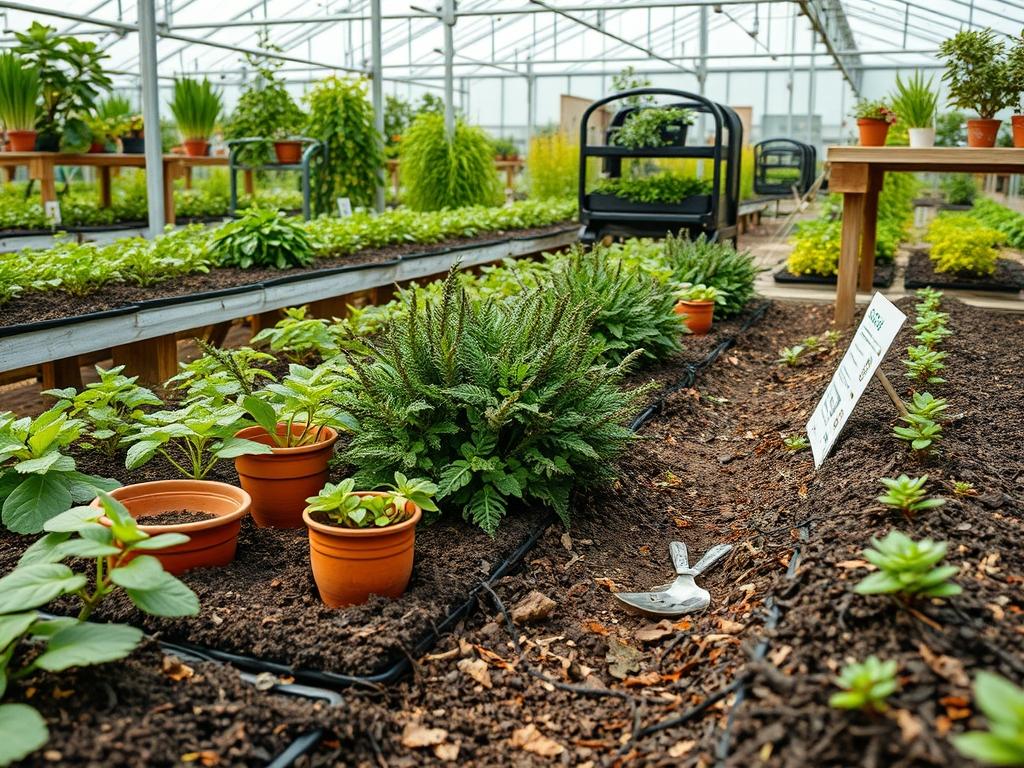
Coastal property owners and landscape architects frequently grapple with the harsh realities of maritime climates where sandy soils and salt-heavy air challenge even the hardiest flora. Creating a resilient outdoor environment demands more than just aesthetic consideration; it requires a deep understanding of soil restoration and moisture management. Integrating seaweed into the landscape design offers a sustainable, nutrient-rich solution to these site-specific challenges. This organic material, often washed up in abundance along the shoreline, serves as a premium bio-stimulant that enhances curb appeal by fostering lush, vibrant growth. When managed correctly, seaweed improves the structure of the soil, increases water retention in porous environments, and provides a unique solution for high-performance gardens. Effectively harvesting and utilizing this marine resource allows for the creation of a functional landscape that thrives despite the limitations of coastal geography.
Landscape Design Principles
Successful garden planning begins with the establishment of structural harmony and focal points that guide the eye across the property. When incorporating seaweed into a design, it is essential to consider the sub-surface health as the foundation for visual symmetry. Large-scale landscapes benefit from a layered approach to elevation. By utilizing Retaining Walls and terraced beds, a designer can create distinct zones where seaweed mulch can be utilized discreetly. The primary goal is to ensure that the functional benefits of the mulch do not detract from the clean lines of the hardscaping.
Symmetry in a coastal garden is often achieved through the repetitive use of salt-tolerant species along Walkways or entryways. Focal points, such as a specimen Japanese Black Pine or a modern sculpture, should be supported by a robust irrigation plan that accounts for the increased moisture-holding capacity of organic marine mulch. Drainage remains a critical factor. Even when using seaweed to improve soil quality, the underlying Grading must direct water away from the architectural foundation and toward designated rain gardens or swales. By balancing the organic texture of the garden beds with the crisp edges of Steel Edging or Pavers, the landscape maintains a professional and intentional appearance.
Plant and Material Selection
| Plant Type | Sun Exposure | Soil Needs | Water Demand | Growth Speed | Maintenance Level |
| :— | :— | :— | :— | :— | :— |
| Sea Kale | Full Sun | Well-drained | Medium | Moderate | Low |
| Beach Plum | Full Sun | Sandy/Loam | Low | Moderate | Low |
| Rugosa Rose | Full Sun | Average | Low | Fast | Medium |
| Switchgrass | Full Sun/Part | Diverse | Low | Fast | Low |
| Hydrangea | Part Shade | Rich/Moist | High | Fast | Medium |
| Bayberry | Full/Part | Poor/Sandy | Low | Moderate | Very Low |
Implementation Strategy
The process of transforming raw marine material into a functional garden component requires a systematic approach to ensure the long-term health of the ecosystem. Harvesting should focus on the wrack line, where the sea has already deposited material, rather than disturbing living kelp forests. Use a Pitchfork and Burlap Sacks to collect a mixture of brown and red algae, as these varieties decompose at different rates and provide a broader spectrum of minerals. It is vital to comply with local coastal regulations regarding the volume and location of harvest.
Once transport is completed using a Garden Cart, the seaweed should be rinsed thoroughly with a Garden Hose to remove excess sodium chloride. While many coastal plants are salt-tolerant, a high concentration of salt can impede the osmotic pressure required for water uptake in more sensitive species. After rinsing, the seaweed should be chopped or shredded to increase its surface area for faster microbial breakdown.
For the actual layout, begin by refining the Grading of the beds. Apply a layer of seaweed approximately 3 inches to 4 inches deep around the base of established plants, being careful to leave a gap of 2 inches around the main stems or trunks to prevent rot. In high-visibility areas, designers often use seaweed as a base layer, topping it with a thin layer of Cedar Bark or Dark Forest Mulch. This method provides the nutrient benefits of the marine material while maintaining a traditional aesthetic. Finally, integrate a Drip Irrigation system beneath the organic layers to deliver moisture directly to the root zones, further reducing evaporation.
Common Landscaping Failures
One of the most frequent mistakes in garden planning involves neglecting the site-specific drainage requirements. When seaweed is applied too thickly in a low-lying area, it can create an anaerobic environment that leads to root rot and unpleasant odors. Proper Grading is the only solution for preventing standing water. Another common error is the failure to account for the salt content in unrinsed seaweed. Over time, salt accumulation can lead to soil compaction and a decrease in the permeability of the ground, making it difficult for water to reach the sub-soil.
Spacing is another area where amateur designs often falter. Designers must research the mature spread of each species to avoid root overcrowding, which leads to competition for the very nutrients the seaweed mulch is intended to provide. Furthermore, relying solely on seaweed without supplemental nitrogen can sometimes cause a temporary nutrient lockout. As the seaweed decomposes, the bacterial activity may briefly consume available nitrogen. Professional landscapers avoid this by mixing a small amount of Compost or slow-release fertilizer into the soil before the mulching phase.
Seasonal Maintenance
Landscape management is a year-round commitment that shifts with the reproductive cycles of the plants and the local weather patterns. In the spring, the focus should be on clearing away any debris from the winter and inspecting the Irrigation System for leaks. This is the optimal time to apply a fresh layer of seaweed mulch to suppress emerging weeds and lock in spring moisture.
During the summer months, monitoring the hydration levels of the soil is paramount. Seaweed mulch can become crisp and dry on the surface, but it usually retains moisture underneath. A Soil Moisture Meter is a helpful tool for determining exactly when to trigger the watering cycle. In the autumn, as perennial foliage begins to die back, the seaweed can be turned into the top 2 inches of soil using a Spade. This incorporates the organic matter more deeply, preparing the soil for the next growing season.
Winter maintenance involves protecting the root systems of more delicate plants from the freeze-thaw cycle. A thicker application of mulch, often referred to as a winter blanket, can insulate the ground. This layer should be checked periodically to ensure that it has not been displaced by heavy winds or coastal storms. By following this seasonal rhythm, the landscape remains both functional and visually impressive throughout the year.
Professional Landscaping FAQ
Can all types of seaweed be used for mulching?
Most brown, red, and green algae are suitable. Kelp is particularly prized for its high growth-hormone content. However, always ensure the material is free of plastic debris and invasive marine hitchhikers before applying it to your Garden Beds.
Does seaweed mulch attract pests or rodents?
When properly rinsed and thinly layered, seaweed is less attractive to common garden pests than wood-based mulches. The salt residue, even after rinsing, acts as a natural deterrent for slugs and snails, though it does not typically attract rodents.
How often should I replenish the seaweed layer?
Seaweed decomposes faster than wood chips due to its high water content and lack of lignin. For optimal soil health, you should replenish the mulch layer twice a year, specifically in the Spring and Autumn seasons.
Will the smell of the sea overwhelm my garden?
Fresh seaweed has a briny scent that dissipates within forty-eight hours of application. Rinsing the material and covering it with a light layer of Compost or Wood Chips will effectively neutralize any lingering marine odors almost immediately.
Is seaweed mulch safe for edible vegetable gardens?
Yes, it is an excellent organic amendment for vegetables. It provides essential trace minerals like iodine and magnesium that are often missing from commercial fertilizers. Ensure the harvest site is clean and free from industrial runoff or pollutants.