
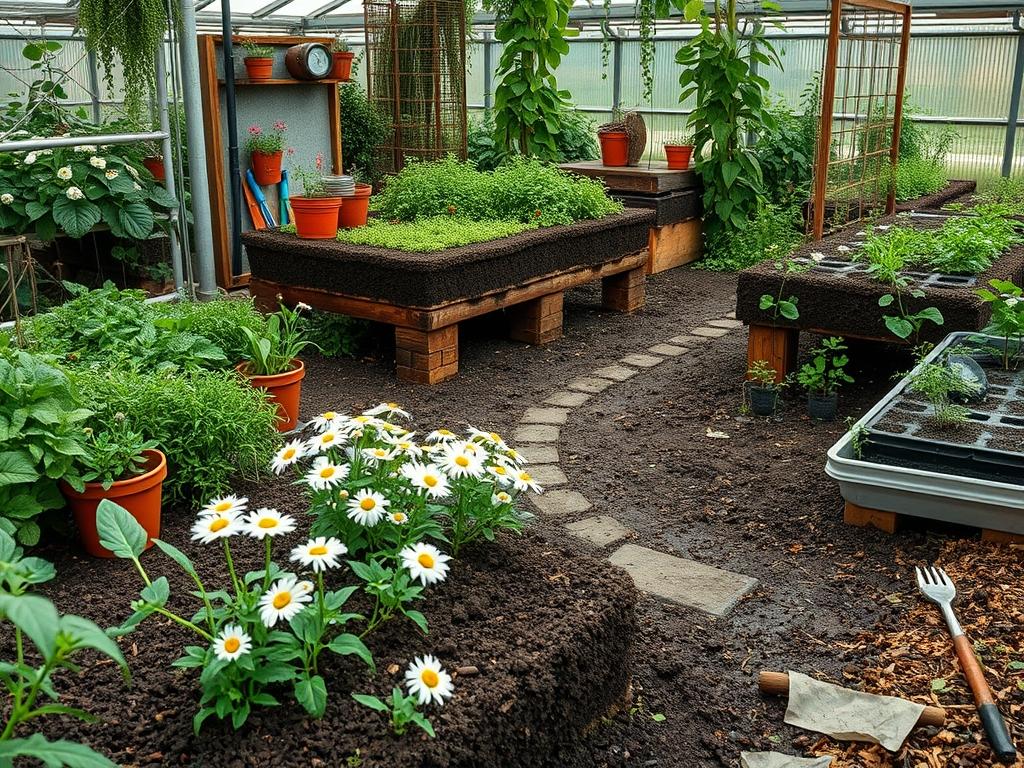
Designing a landscape that balances sensory appeal with ecological resilience requires a meticulous understanding of subterranean conditions. While many homeowners prioritize the aesthetic bloom of a garden, a senior landscape architect looks first at the substrate. This is especially true when integrating species like chamomile into a structural design. Chamomile Soil Needs are frequently misunderstood by novices who assume that every flowering plant requires rich, loamy, and nutrient-heavy earth. In reality, modern outdoor functionality and high-end curb appeal are often best served by lean, gritty environments that mimic the natural habitats of Mediterranean and European meadow flora. When we design a site, we are not just planting; we are engineering an ecosystem where drainage and aeration dictate the longevity of the installation.
The landscaping challenge with chamomile lies in its dual nature as both a delicate aesthetic filler and a durable ground cover. Whether you are aiming for a fragrant walkway or a softening agent for hardscaped edges, the soil must be the primary focus of your master plan. If the earth is too rich, the plant becomes leggy and loses its architectural compactness. If the earth is too heavy with clay, the root systems succumb to anaerobic conditions. Therefore, our goal is to create a grit-based foundation that facilitates rapid moisture movement while providing enough structural integrity to support the visual goals of the project. This approach ensures that the landscape remains vibrant through varying climate cycles, preventing the stagnant, mud-heavy look that often plagues poorly planned backyard retreats.
LANDSCAPE DESIGN PRINCIPLES
In professional landscape architecture, we use chamomile to achieve specific visual and functional outcomes, such as symmetry and focal points. When planning a garden layout, consider the use of elevation layers. Utilizing chamomile as a low-profile base allows for taller perennials or structural shrubs to stand out without visual clutter. For instance, a tiered garden featuring Chamaemelum nobile at the lowest level creates a soft, textured transition to mid-sized grasses or woody herbs. This layering adds depth to the site and draws the eye toward intentional focal points like a custom water feature or a piece of sculpture.
Symmetry is another critical principle. We often use chamomile to define the borders of parallel flagstone walkways or to fill the geometric voids in a parterre garden. To maintain this symmetry, irrigation planning must be precise. Because Chamomile Soil Needs favor drier conditions, the irrigation system should be zoned separately from thirstier lawn grasses. Subsurface drip emitters are preferred here, as they provide controlled moisture directly to the root zone without over-saturating the surrounding area. Furthermore, the use of permeable materials in walkways ensures that runoff is managed effectively, maintaining the balance between hardscaping and living elements.
PLANT AND MATERIAL SELECTION
| Plant Type | Sun Exposure | Soil Needs | Water Demand | Growth Speed | Maintenance Level |
| :— | :— | :— | :— | :— | :— |
| Roman Chamomile | Full Sun to Partial Shade | Gritty, Sandy, Low Nutrient | Low to Moderate | Moderate | Moderate (Trimming) |
| German Chamomile | Full Sun | Well-Drained, Lean Earth | Low | Fast | Low (Self-Seeding) |
| Creeping Thyme | Full Sun | Poor, Rocky Soil | Very Low | Moderate | Very Low |
| Lavender | Full Sun | Alkaline, Gritty, Porous | Low | Moderate | Annual Pruning |
| Fescue Grass | Full Sun to Shade | Loamy, Well-Drained | Moderate | Fast | High (Mowing) |
IMPLEMENTATION STRATEGY
The transition from a design concept to a physical installation begins with proper site grading. To satisfy the specific Chamomile Soil Needs, the grade should be established at a minimum 2 percent slope away from any primary structures. This prevents pooling and ensures that the gritty substrate does not become waterlogged during heavy rain events. Once the grading is complete, we utilize steel edging or pressure-treated timber to define the garden beds. This creates a clean line between the chamomile zones and traditional lawn areas, preventing the spread of more aggressive grass species.
For the soil preparation itself, we recommend a blend of 70 percent coarse sand or pea gravel and 30 percent native topsoil. Avoid adding high-nitrogen fertilizers or excessive organic compost, as these will stimulate weak, leafy growth at the expense of floral density and essential oil concentration. After the substrate is leveled, use a manual tamper or a garden roller to lightly firm the earth, removing large air pockets without causing heavy compaction. When planting, space the 4-inch nursery starts approximately 8 to 12 inches apart. Finally, apply a thin layer of fine-grade horticultural grit or small river stones as a mulch. This 1-inch layer of mineral mulch suppresses weeds while reflecting light and heat back onto the foliage, which is essential for the plant to thrive.
COMMON LANDSCAPING FAILURES
The most frequent error in specialized garden planning is improper drainage management. When designers fail to account for the percolation rate of the soil, they often find their chamomile carpets turning yellow or “melting” during the humid summer months. This is usually due to soil compaction, where the foot traffic or heavy machinery has collapsed the soil macropores. Without these gaps in the earth, the roots cannot breathe, leading to rapid decline. In high-traffic outdoor living areas, it is vital to install permeable pavers or a gravel sub-base to protect the root zones of peripheral plantings.
Another common failure involves root overcrowding and improper spacing. While it is tempting to plant densely for immediate curb appeal, chamomile requires significant airflow to prevent fungal pathogens. Over-mulching with wood-based products is another mistake. Traditional wood mulch retains too much moisture against the crown of the plant, which contradicts the fundamental Chamomile Soil Needs. Switching to a mineral-based mulch, such as decomposed granite, is a superior choice for these lean-loving species. Lastly, irrigation inefficiencies, such as overhead sprinklers that run too frequently, can lead to shallow root systems and a lack of drought tolerance.
SEASONAL MAINTENANCE
Effective landscape management follows the rhythm of the seasons. In the spring, the focus should be on clean-up and assessment. Remove any dead foliage with bypass pruners and check for signs of winter heave, where the freezing and thawing cycle might have pushed plants out of the ground. If you notice exposed roots, gently press them back into the gritty soil and add a fresh half-inch of coarse sand. This is also the time to apply a very light, slow-release balanced fertilizer if growth appears exceptionally stunted, though this is rarely necessary in well-established grit beds.
During the summer, monitoring is key. While chamomile is drought-tolerant, young plants may need supplemental water during extreme heat waves. Always water in the early morning to allow the foliage to dry before sunset. In autumn, allow some of the German Chamomile flowers to go to seed if you desire natural recruitment for the following year. For Roman Chamomile, a light shear using hedge shears can help maintain a tidy, prostrate habit before the first frost. In winter, maintenance is minimal. The primary goal is to ensure that the site remains clear of heavy leaf debris, which can trap moisture and cause rot. A simple leaf blower on a low setting is usually sufficient to keep the beds clear without disturbing the mineral mulch.
PROFESSIONAL LANDSCAPING FAQ
Can I grow chamomile in heavy clay soil?
Native clay is usually too dense for these plants. You must amend the area significantly with coarse sand and grit. Alternatively, install a raised planter or a retaining wall filled with a custom, free-draining soil mix to ensure success.
How deep should the soil be for a chamomile lawn?
A depth of 6 to 8 inches of prepared gritty substrate is typically sufficient. This allows for a robust root system while ensuring that excess water can move quickly into the subsoil or through the installed drainage tile system.
What is the best mulch for chamomile?
Avoid wood chips or bark. Use a 1-inch layer of pea gravel, crushed limestone, or horticultural grit. These materials prevent crown rot and help maintain the lean, warm environment that chamomile prefers for optimal growth and fragrance.
Is irrigation necessary for established chamomile?
In most temperate climates, established chamomile requires very little supplemental water. During prolonged droughts, a deep soaking once every two weeks is usually enough. Over-watering is a more common cause of plant death than under-watering in professional landscapes.
How do I prevent weeds in a chamomile bed?
Start with a weed-free base using a scuffle hoe or hand weeding. Once planted, the combination of tight plant spacing and a mineral mulch layer will naturally suppress most competitors. Avoid high-nitrogen fertilizers that encourage weed growth over chamomile expansion.