
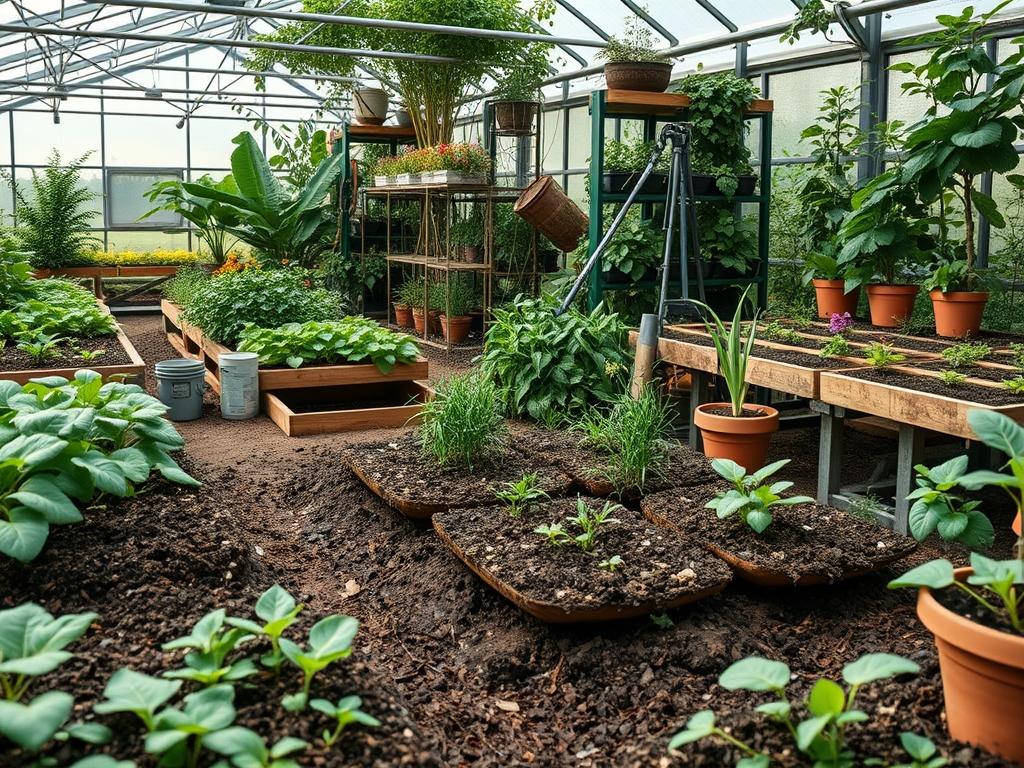
Creating a high-end landscape requires more than an eye for aesthetics; it demands a deep understanding of the subterranean environment that sustains life. When a designer or homeowner seeks the Best Soil for Angelic and other moisture-loving architectural plants, they are essentially designing a micro-ecosystem. The challenge lies in balancing water retention with oxygen availability. In many professional installations, the failure of large-scale specimen plants like Angelica archangelica can be traced back to a mismatch between site hydrology and soil texture. A landscape that ignores these foundational elements will eventually suffer from diminished curb appeal, as plants show signs of chlorosis or stunted growth. Mastering the soil profile ensures that your outdoor investment provides both functional cooling and long-term visual dividends.
Site-specific variables like local climate and terrain slope dictate how water moves through a property. If you are working in an arid region, the requirement for moisture-retentive soil becomes a survival necessity for lush, green focal points. Conversely, in temperate or coastal zones, the focus shifts toward preventing root rot while maintaining the high nutrient levels that robust biennials and perennials require. By integrating technical soil knowledge with outdoor living goals, a landscape architect can create a seamless transition from the structural elements of the home to the fluid, organic lines of the garden. This synergy between the built environment and the living landscape is what defines professional-grade curb appeal.
Landscape Design Principles
A successful landscape relies on a hierarchy of visual and structural elements. Symmetry often serves as the anchor for traditional designs, while modern approaches might favor an asymmetrical but balanced distribution of mass. When planning for large, moisture-heavy plants, they should be positioned as focal points or backdrops that provide vertical interest. Their height, often reaching 6 feet or more, demands that they be placed in a way that creates elevation layers. This layering technique allows the viewer’s eye to move from low-growing groundcovers up to mid-sized shrubs and finally to the towering umbels of the Angelica.
Irrigation planning must be integrated into the design from the earliest stages. It is not enough to simply place a sprinkler; instead, professional designs often utilize drip systems or soaker hoses buried beneath a layer of organic mulch. This ensures that moisture reaches the root zone without excessive evaporation. Walkways should be designed to navigate around these moisture-heavy zones, using permeable materials like washed gravel or spaced pavers to allow the surrounding soil to breathe. Proper visual balance is achieved when these high-moisture zones are clearly defined by steel edging or stone retaining walls, which prevent the spread of damp soil into dryer, high-traffic areas.
Plant and Material Selection
The following table outlines the specific requirements for plants that thrive in the same conditions as those requiring the Best Soil for Angelic.
| Plant Type | Sun Exposure | Soil Needs | Water Demand | Growth Speed | Maintenance Level |
| :— | :— | :— | :— | :— | :— |
| Angelica archangelica | Full Sun to Part Shade | Rich, moist, deep loam | High | Fast | Moderate |
| Hosta Gigantea | Full Shade | Compost-rich, moisture-retentive | Moderate/High | Medium | Low |
| Matteuccia struthiopteris | Part to Full Shade | Wet, acidic to neutral | Constant | Fast | Medium |
| Iris sibirica | Full Sun | Heavy clay or loamy wet soil | High | Medium | Low |
| Canna Lily | Full Sun | Nutritious, damp, loose soil | High | Very Fast | High |
Selecting the right materials extends beyond the plants. For the Best Soil for Angelic, the mix should include at least 30 percent organic compost, 40 percent silt loam, and 30 percent screened topsoil. This combination provides the “heaviness” required to hold water while the organic matter ensures a steady supply of nutrients for rapid growth.
Implementation Strategy
The actual installation of a high-moisture garden bed begins with site grading. You must ensure that the area is not a low point where stagnant water will sit, but rather a managed zone where water is directed. Start by excavating the area to a depth of 24 inches. This deep preparation is vital because Angelica and similar species have long taproots that need uncompacted soil to thrive. Once excavated, check for any natural drainage patterns. If the site has heavy clay, you may need to install a French drain or a layer of coarse aggregate at the very bottom to prevent the soil from becoming anaerobic.
After grading, the soil components should be mixed off-site or in a dedicated staging area to ensure consistency. When backfilling, do not pack the soil down with heavy machinery; instead, allow it to settle naturally or use a light water tamping method. Once the plants are in the ground, apply a 3-inch layer of hardwood mulch or pine bark. This depth is the industry standard for suppressing weeds while significantly reducing the rate of soil dehydration. If hardscaping like a retaining wall is part of the plan, ensure that weep holes are included to allow excess moisture to escape during heavy rain events, preventing pressure buildup behind the stones.
Common Landscaping Failures
The most frequent error in designing moisture-intensive landscapes is poor drainage management, often referred to as the bathtub effect. This happens when a hole is dug in heavy clay and filled with light, porous soil. The water enters the hole but has nowhere to go, effectively drowning the roots of the plant. To avoid this, the entire planting bed must be amended rather than just individual holes. Another common issue is root overcrowding. Many designers fail to account for the mature spread of Angelica, which can reach 3 to 4 feet in width. When plants are crowded, air circulation drops, and the risk of fungal disease increases.
Soil compaction is another silent killer. During construction, heavy equipment can crush the pore spaces in the soil, making it impossible for even the Best Soil for Angelic to function correctly. This compaction prevents water infiltration and gas exchange. Finally, irrigation inefficiencies often result from a “one-size-fits-all” timer setting. Moisture-loving plants have different needs in the heat of July than they do in the cool of May. Failing to adjust irrigation leads to either drought stress or unnecessary water waste, both of which compromise the health of the landscape.
Seasonal Maintenance
Spring is the most critical time for soil health. As the ground thaws, it is essential to test the pH levels and refresh the organic compost layers. This is also the window for applying a slow-release, balanced fertilizer to provide the nitrogen needed for early-season leaf production. During the summer, the primary task is moisture monitoring. In periods of extreme heat, even moisture-retentive soils can dry out. Checking the soil moisture at a depth of 6 inches with a soil probe will tell you if your irrigation system is performing adequately.
Autumn maintenance involves preparing the plants for dormancy. For Angelica, which is often biennial, you may want to leave the seed heads for architectural interest or harvest them for future planting. Cutting back dead foliage helps prevent pests from overwintering in the debris. In the winter, the focus shifts to protection. Adding an extra 2 inches of mulch can insulate the root zones against the freeze-thaw cycles that can heave plants out of the ground. Proper winterization ensures that the soil structure remains intact and ready for the vigorous growth of the following spring.
Professional Landscaping FAQ
What is the best way to test soil moisture?
Use a professional soil moisture meter or a manual soil probe. These tools allow you to check the hydration levels at the root zone, typically 8 to 12 inches below the surface, rather than relying on surface appearance.
How often should I add compost to my garden beds?
A top-dressing of 1 to 2 inches of high-quality organic compost should be applied every spring. This replenishes nutrients and maintains the soil structure needed for the Best Soil for Angelic to remain productive.
Can I grow moisture-loving plants in sandy soil?
Yes, but you must heavily amend the sand with peat moss, clay loam, and compost. Sandy soil drains too quickly for Angelica, so increasing the water-holding capacity through organic matter is the only way to ensure success.
Does mulch depth really matter for plant health?
Absolutely. A depth of 2 to 4 inches is ideal. Too little mulch allows the soil to dry and weeds to germinate. Too much mulch, exceeding 5 inches, can suffocate roots and prevent water from reaching the soil.
What are the signs of soil compaction in my landscape?
Look for persistent surface puddles, stunted plant growth, or soil that is physically difficult to penetrate with a garden spade. If the soil feels like concrete when dry, it requires aeration or mechanical tilling to restore porosity.