
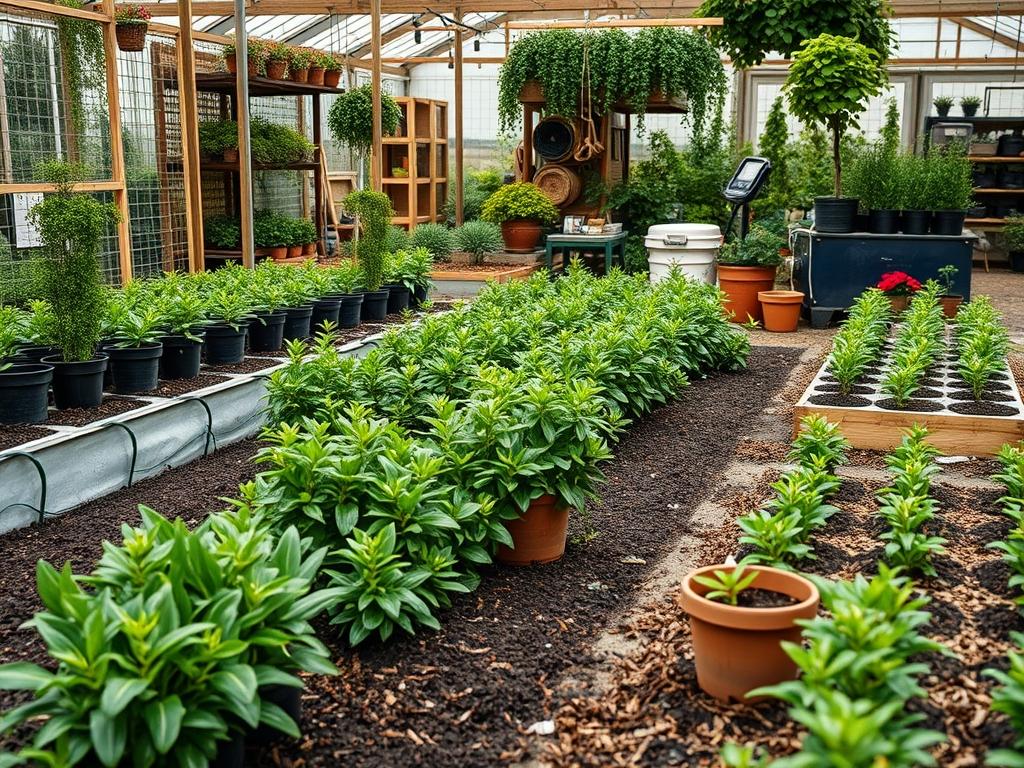
Refined landscape architecture relies on the permanence and structural integrity of foundational evergreens. Among these, the boxwood stands as a premier choice for defining borders, creating parterres, and establishing year-round greenery that enhances curb appeal and increases property value. However, the visual success of these shrubs is entirely dependent on the invisible environment beneath the surface. For a professional installer, understanding that Boxwood Soil Needs center primarily on stable pH levels and exceptional drainage is the difference between a thriving formal garden and a costly replacement project. These plants are sensitive to the chemical and physical properties of the earth; they require a delicate balance that allows for nutrient uptake without the risk of root pathogens.
The functionality of an outdoor living space often dictates the use of boxwoods to delineate specific zones, such as a transitional area between a stone patio and a manicured lawn. Because they are often placed near hardscaping, the soil environment is frequently compromised by construction debris or alkaline runoff from concrete and mortar. High-performance landscaping requires a proactive approach to soil preparation that anticipates these environmental stresses. When the ground is properly conditioned, the plants exhibit a deep, lustrous green and dense foliage that can withstand the pressures of varying climates. Without this foundation, the shrubs often suffer from chlorosis or physiological dieback, undermining the geometric precision that makes boxwood-centric designs so appealing.
Landscape Design Principles
In the realm of high-end residential design, the boxwood serves as the primary tool for achieving symmetry and visual balance. Architects use these shrubs to create focal points that draw the eye toward architectural features, such as a front entrance or a central fountain. By utilizing different varieties, designers can implement elevation layers, placing taller specimens like Buxus sempervirens as a backdrop for lower, mounded varieties. This layering adds depth to the landscape, creating a sense of enclosure and privacy that enhances the functionality of outdoor seating areas.
Verticality and scale are maintained through precise pruning, but the ability of the plant to recover from shearing depends on its nutritional status. A well-planned garden incorporates irrigation planning from the start, ensuring that moisture is delivered to the root zone without saturating the crown. Walkways composed of Flagstone or Crushed Granite often border these plantings; therefore, the design must account for the way these materials influence soil temperature and moisture retention. A successful layout balances the rigid lines of the boxwood hedge with the organic textures of accompanying perennials, ensuring the transition from hardscape to softscape is seamless and professional.
Plant and Material Selection
| Plant Type | Sun Exposure | Soil Needs | Water Demand | Growth Speed | Maintenance Level |
| :— | :— | :— | :— | :— | :— |
| English Boxwood | Partial Shade | Well-drained, pH 6.5-7.2 | Moderate | Slow | High |
| American Boxwood | Full Sun | Deep, Loamy, Rich | Moderate | Medium | Medium |
| Wintergreen Boxwood | Full Sun/Part Shade | Neutral to Alkaline | Low to Moderate | Medium | Low |
| Green Mountain Boxwood | Full Sun/Part Shade | Moist, Well-drained | Moderate | Medium | Medium |
| Japanese Boxwood | Full Sun/Part Shade | Sandy, Well-drained | Low | Medium | Low |
Implementation Strategy
The execution of a boxwood-centric garden begins with site grading to ensure that water moves away from the root balls. Stagnant water is the primary enemy of the genus Buxus. Before a single hole is dug, a Soil Probe should be used to take samples across the site to determine the current pH and nutrient profile. If the soil is too acidic, an application of Dolomitic Lime may be necessary; if it is too alkaline, Elemental Sulfur can be incorporated. The goal is to reach a stable range between 6.5 and 7.2 on the pH scale. This range ensures that essential micronutrients like Manganese and Iron remain bioavailable to the plant.
Once the site is graded, the layout should be marked using Landscaping Stakes and string lines to ensure perfect alignment for hedges. Each planting hole should be dug significantly wider than the root ball, usually 2 times the width, but no deeper than the existing root system. Incorporating organic matter such as Leaf Mold or Compost into the backfill improves the soil structure, while adding Perlite or Coarse Sand can enhance internal drainage in heavier clay soils. A thick layer of Hardwood Mulch, approximately 3 inches deep, should be applied around the base, but it must be kept away from the main stem to prevent fungal infections and bark rot. This mulch serves as a thermal blanket, regulating soil temperature and retaining consistent moisture levels.
Common Landscaping Failures
One of the most frequent errors in garden installation is the failure to account for soil compaction. During the construction of walkways or retaining walls, heavy machinery often compresses the earth, destroying the pore space necessary for oxygen to reach the roots. In such an environment, Boxwood Soil Needs are neglected, and the plant essentially suffocates. Another common mistake is improper spacing. When shrubs are planted too closely together to achieve an immediate “finished” look, it restricts airflow and encourages the spread of Boxwood Blight.
Irrigation inefficiencies also contribute significantly to plant decline. Overhead sprinklers that keep the foliage wet for extended periods invite fungal pathogens. A professional grade Drip Irrigation System is the preferred method, delivering water directly to the soil surface. Furthermore, many homeowners ignore the impact of salt runoff from winter de-icing agents used on nearby sidewalks. This chemical stress can lead to “bronzing” of the leaves, a condition that might be mistaken for a nutrient deficiency or disease. Identifying these potential failures during the planning phase allows for the installation of protective barriers or the selection of more resilient varieties.
Seasonal Maintenance
The lifecycle of a high-end landscape requires a rhythmic approach to maintenance. In the spring, the focus should be on light fertilization using a 10-10-10 Slow-release Fertilizer once the threat of the last frost has passed. This provides the nitrogen punch needed for the first flush of growth. This is also the time to refresh mulch layers and inspect the Drip Emitters for clogs. As the weather warms into summer, monitoring for pests like Boxwood Leafminer becomes critical. Pruning should be done in early summer, allowing the new growth enough time to harden off before the heat intensifies.
Autumn is the ideal season for soil amendments and corrective measures. If a pH Test indicates a shift from the target range, late fall applications of lime or sulfur allow time for the chemistry to stabilize over the winter. This is also the period to ensure the plants are deeply hydrated before the ground freezes. In winter, protection from desiccation is the priority. In areas with high winds or reflected sun, a light application of an Antidesiccant Spray or the installation of Burlap Screens can prevent winter burn. These seasonal steps preserve the investment and ensure the garden remains a structural asset for decades.
Professional Landscaping FAQ
How do I test my soil for boxwood compatibility?
Use a professional pH Meter or a laboratory soil test kit. Collect samples from several locations around the planting site at a depth of 6 inches to get an accurate reading of the average acidity and nutrient levels.
What is the best way to fix poor drainage for boxwoods?
Incorporate Aggregates or install a French Drain system to divert water. If the site has heavy clay, consider planting in Raised Beds or berms, which naturally allow gravity to pull excess moisture away from the root system.
Can I grow boxwoods in containers?
Yes, provided the container has large drainage holes and is filled with a high-quality Potting Mix containing Perlite. Containers require more frequent monitoring of moisture and fertility, as nutrients leach out faster than they do in the ground.
How often should I fertilize my boxwood hedges?
Fertilization should occur once in early spring. Avoid late summer or fall feeding, as this can stimulate soft, new growth that is easily damaged by freezing temperatures. Use a Balanced Fertilizer at the rate recommended by your soil test.
What causes boxwood leaves to turn orange or brown?
This is often caused by Winter Bronzing, drought stress, or improper soil pH. Ensure the plants have adequate moisture before winter and maintain a stable pH of 6.5 to 7.2 to prevent nutrient-related discoloration and environmental stress.