
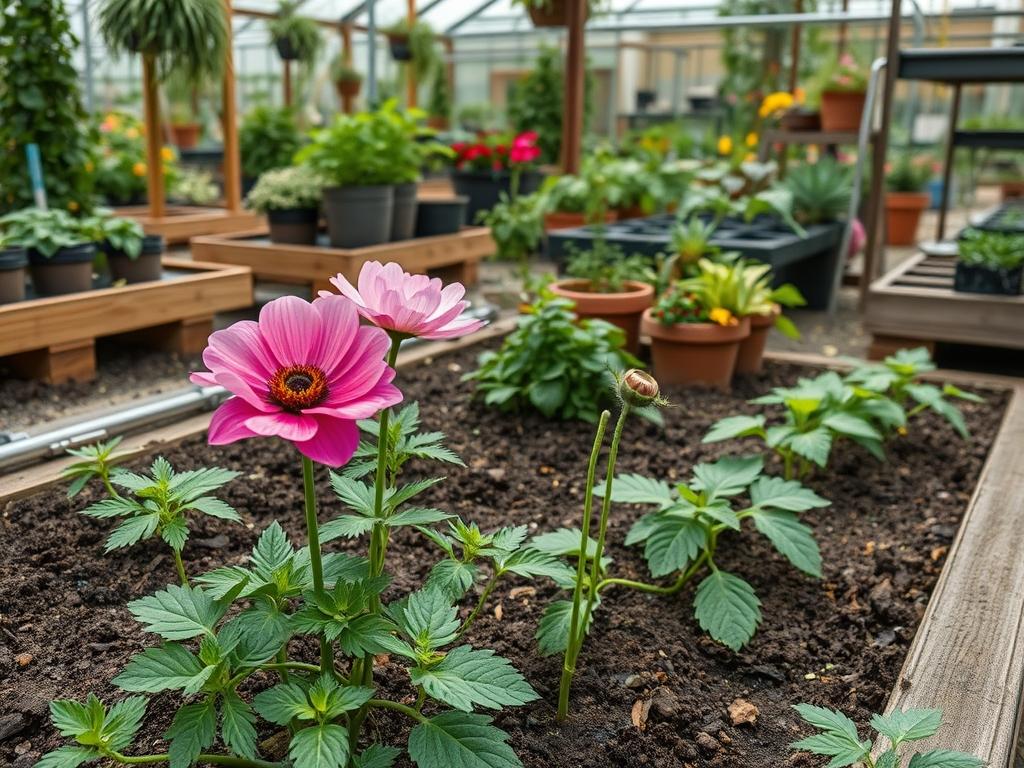
Creating a balanced outdoor environment requires more than an eye for aesthetics; it demands a deep understanding of the subterranean conditions that dictate plant health. For the professional landscape architect, the inclusion of anemones offers a versatile palette of form and color, but these perennials are notoriously selective about their environment. Achieving the ideal Anemone Soil Requirements is the foundational step in ensuring that these delicate flowers provide the intended curb appeal and long term functionality. Whether you are designing a sleek contemporary courtyard or a naturalistic woodland retreat, the soil acts as the primary infrastructure for your biological assets. If the substrate is ignored, even the most expensive specimens will succumb to root rot or nutrient deficiency within a single season.
Landscape design is as much about engineering as it is about art. When integrating anemones into a master plan, one must consider the topography of the site and how water moves across the surface. These plants, often referred to as windflowers, fill a vital niche in the garden’s elevation layers, bridging the gap between low-growing groundcovers and mid-sized shrubs. Their airy stems provide movement, yet this elegance is entirely dependent on a root system anchored in a friable, well-oxygenated medium. By focusing on site-specific soil preparation, a designer can create a resilient feature that enhances the property value and provides a cohesive transition between hardscaped walkways and softscaped beds.
Landscape Design Principles
Successful garden planning relies on the core principles of symmetry, focal points, and visual balance. When working with anemones, the design must account for their specific growth habits and how those habits interact with the surrounding architecture. A focal point created by a mass planting of Japanese Anemones can draw the eye toward a specific garden coordinate, but only if the soil can support the density required for a lush appearance. We often use elevation layers to create depth; placing taller, autumn-blooming varieties in the background while using low-growing Anemone blanda to edge delicate stone walkways.
Irrigation planning is another critical pillar of design. Because Anemone Soil Requirements emphasize moisture retention without saturation, the placement of irrigation emitters must be precise. A professional layout often involves a zoned approach where anemones are grouped with other species that share similar moisture and pH preferences. This prevents the common mistake of overwatering drought-tolerant neighbors or underwatering thirsty perennials. Furthermore, the use of retaining walls can help manage elevation changes, ensuring that soil in raised beds does not wash away during heavy rain, while also providing the sharp drainage that many Mediterranean anemone cultivars require.
Visual balance is maintained by ensuring that the soil health is uniform across the planting bed. Inconsistent soil preparation leads to “patchy” growth, where some plants thrive and others languish, breaking the intended symmetry of the landscape. To avoid this, designers must specify a standardized soil mix that incorporates high-quality organic matter and inorganic drainage components. This creates a predictable environment where the growth speed and foliage density remain consistent across the entire project footprint.
Plant and Material Selection
Selecting the right plant for the right place is the hallmark of professional consulting. Below is a guide for matching common anemone varieties with their specific environmental needs.
| Plant Type | Sun Exposure | Soil Needs | Water Demand | Growth Speed | Maintenance |
| :— | :— | :— | :— | :— | :— |
| Japanese Anemone | Partial Shade | Rich, Humus-Loam | Moderate to High | Fast | Low |
| Grecian Windflower | Full Sun to Part Shade | Gritty, Well-Drained | Low to Moderate | Moderate | Low |
| Poppy Anemone | Full Sun | Sandy, Sharp Drainage | Moderate | Fast | Medium |
| Wood Anemone | Full Shade | Leaf Mold, Acidic | High | Slow | Moderate |
| Snowdrop Anemone | Part Shade | Alkaline, Well-Drained | Moderate | Fast | Low |
For these species to thrive, the material selection extends beyond the plants themselves. You must select the correct soil amendments. For heavy clay, the addition of gypsum or expanded shale is necessary to break up the structure. For sandy soils, sphagnum peat moss or well-rotted compost helps hold the moisture that anemones crave.
Implementation Strategy
The process of preparing the backyard or commercial garden for anemones begins with thorough site grading. Any low spots where water pools must be leveled or fitted with a French drain to ensure excess moisture moves away from the root zone. Once the grade is established, the focus shifts to the chemical and physical makeup of the earth. The ideal Anemone Soil Requirements involve a soil pH that sits comfortably between 5.8 and 6.5, though some species are more flexible.
Start by tilling the native soil to a depth of 12 inches. This provides a loose, aerated subgrade that allows roots to penetrate deeply without resistance. Incorporate a 3 inch layer of finished compost into the top 8 inches of soil. For varieties like Anemone coronaria, which are susceptible to rot, mix in a generous amount of horticultural grit or perlite to increase the macro-pore space. This ensures that even during periods of heavy irrigation, the roots can still access the oxygen required for cellular respiration.
Edging is the next step in the strategy. Use a 4 inch steel or plastic edge to define the beds and prevent invasive turf grass from competing with the anemones for nutrients. Once the plants are installed at the correct depth, usually 2 to 3 inches for corms or level with the soil surface for container plants, apply a 2 inch layer of organic mulch. Shredded bark or leaf mold is preferred over heavy wood chips because it decomposes over time, mimicking the natural forest floor and continuously improving the soil structure.
Common Landscaping Failures
Failure in anemone cultivation is usually the result of ignoring physical soil properties. Soil compaction is the most frequent culprit. In new construction projects, heavy machinery often packs the earth so tightly that it becomes nearly as impermeable as concrete. If anemones are planted in this compacted “bathtub,” their roots will suffocate and die. Always use a broadfork or tiller to remediate site-wide compaction before planting begins.
Another common mistake involves improper spacing and air circulation. Crowding plants too closely in an attempt to get an “instant” look can lead to fungal issues like powdery mildew, especially if the soil is too wet. Proper spacing, usually 12 to 18 inches depending on the variety, allows the soil surface to dry out between watering cycles. Finally, irrigation inefficiencies, such as using overhead sprayers in the evening, can saturate the foliage and crown. Drip irrigation is the professional standard, delivering water directly to the root zone where it is needed most.
Seasonal Maintenance
Landscape management is a year-round commitment that changes with the seasons. In the spring, focus on replenishing the nitrogen levels in the soil. A light application of a balanced slow-release fertilizer will support the rapid foliage growth seen in early-blooming varieties. This is also the time to check the integrity of your mulch layers and fill any thin spots that have appeared over the winter.
During the summer, the primary goal is moisture management. Anemones do not tolerate total desiccation. If the soil feels dry to a depth of 2 inches, a deep soaking is required. In the autumn, as the deciduous types like Japanese Anemones begin to fade, this is the ideal time for soil rejuvenation. You can top-dress the beds with an additional inch of compost. This is also the season for division; lifting and separating large clumps every three years prevents root overcrowding and maintains the vigor of the colony.
Winter maintenance is largely about protection. In colder climates, a thicker application of straw or evergreen boughs can insulate the soil and prevent the freeze-thaw cycles that can heave corms out of the ground. This protective layer should be removed as soon as the first signs of growth appear in early spring to prevent the crowns from rotting in the damp, warming earth.
Professional Landscaping FAQ
How do I test my soil drainage for anemones?
Dig a hole 12 inches deep and fill it with water. If it takes more than four hours to empty, your drainage is insufficient. You must add coarse organic matter or install a subsurface drainage system to prevent root rot.
Can I grow anemones in heavy clay soil?
Yes, but you must modify the structure significantly. Incorporate expanded shale and organic compost to create a more porous texture. Building a raised garden bed is often the most effective way to manage heavy clay for sensitive perennials.
What is the best mulch for Anemone Soil Requirements?
A fine-textured organic mulch, such as leaf mold or pine needles, is ideal. These materials regulate soil temperature and retain moisture while slowly breaking down to provide the acidic, nutrient-rich environment that most windflowers prefer.
How often should I fertilize the soil?
Professional landscapes usually require a two-part approach. Apply a balanced granular fertilizer in early spring as new growth emerges and follow up with a top-dressing of organic compost in late autumn to replenish the soil’s micronutrient profile.
Do anemones require a specific soil pH?
Most anemone species thrive in a slightly acidic to neutral range of 5.8 to 7.0. If your soil is too alkaline, you can lower the pH by adding elemental sulfur or peat moss during the initial bed preparation.