
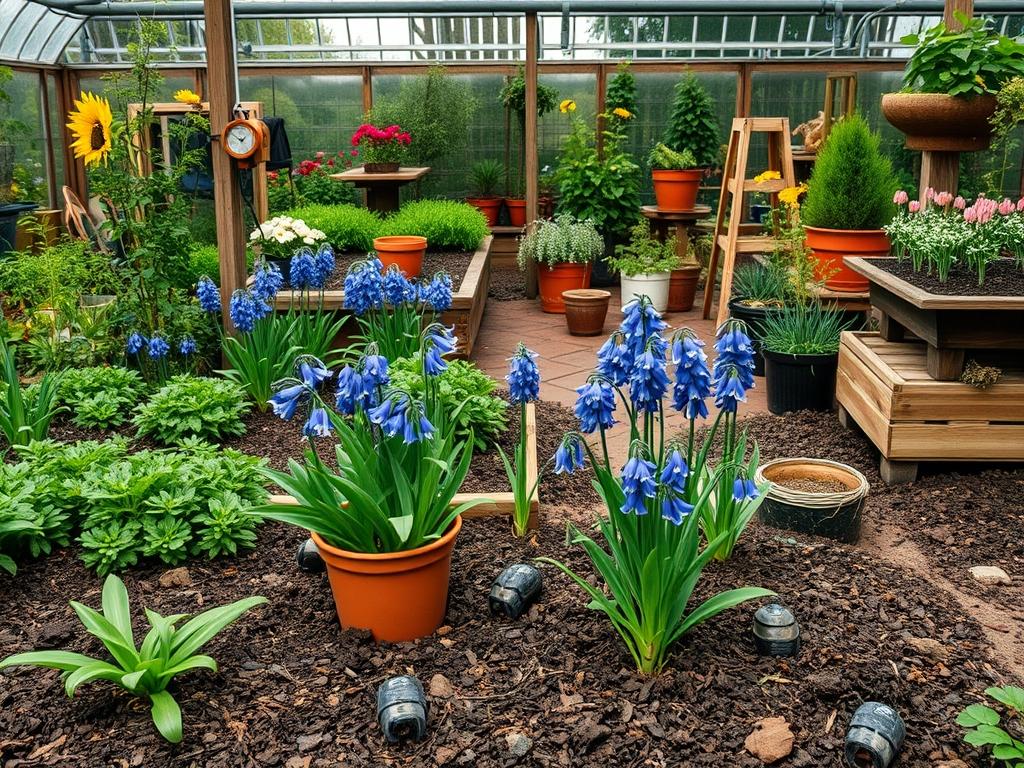
Creating a successful woodland garden requires more than just planting bulbs and hoping for a spring display. To achieve the breathtaking carpet of azure associated with ancient forests, a landscape architect must look beneath the surface. The primary challenge in residential landscaping is the transition from a sterile, suburban soil profile to the complex, biologically active environment found in centuries-old timberlands. This transition is not merely about aesthetics; it is about functionality. A properly designed woodland floor manages stormwater runoff, encourages biodiversity, and increases property value by providing a mature, established appearance. When we discuss the best soil for bluebells, we are discussing a recipe for longevity. Most domestic gardens suffer from compaction and a lack of organic matter, which leads to poor drainage and bulb rot. By mimicking the structure of ancient woodlands, we can ensure that these delicate perennials thrive for generations.
The goal of a professional landscape design is to create an environment that feels inevitable. This is particularly true for naturalized plantings. The best soil for bluebells must be loose, friable, and rich in fungal life. In a natural forest, the soil is cushioned by layers of decaying leaves, twigs, and moss. This organic layer, known as the duff layer, insulates the bulbs from extreme temperature fluctuations and maintains a consistent moisture level. In a modern landscape project, we replicate this by amending the site with coarse organic matter before the first bulb ever touches the ground. If the existing soil is heavy clay, the drainage will be too poor, causing the bulbs to suffocate. If the soil is too sandy, it will dry out before the leaves can die back naturally in late spring. Striking that perfect balance is the cornerstone of high-end outdoor environment consulting.
Landscape Design Principles
Successful woodland integration depends on the marriage of formal design principles and ecological mimicry. Symmetry is rarely found in the wild, so we use asymmetrical balance to guide the eye through the space. Placing larger drifts of bluebells near focal points, such as an ancient oak or a contemporary stone sculpture, grounds the design. We also consider elevation layers. A true woodland is composed of the canopy, the understory, the shrub layer, and the herbaceous layer. The bluebells occupy that final, ground-level tier, and their placement must account for the shadows cast by the layers above.
Irrigation planning is another critical factor. While bluebells require moisture during their growth and flowering phase in early spring, they prefer to be relatively dry during their summer dormancy. We often design drainage systems that divert excess water away from the bulb beds during the humid summer months to prevent fungal pathogens. Walkways should be designed to wind through the drifts rather than cutting them in half. Using natural materials like crushed slate or shredded cedar allows the path to blend into the landscape while protecting the soil from compaction. Visual balance is maintained by mixing the uniform blue of the flowers with various textures, such as the broad leaves of Hostas or the delicate fronds of Dryopteris ferns.
Plant and Material Selection
| Plant Type | Sun Exposure | Soil Needs | Water Demand | Growth Speed | Maintenance Level |
| :— | :— | :— | :— | :— | :— |
| English Bluebell | Partial Shade | Humus-rich, Moist | Moderate | Slow/Naturalizing | Low |
| Wild Anemone | Deep Shade | Acidic, Loamy | High | Slow | Medium |
| Soft Shield Fern | Full Shade | Well-drained | Moderate | Medium | Low |
| Sarcococca | Shade | Moist, Fertile | Moderate | Slow | Low |
| Leaf Mold Mulch | N/A | High Organic | N/A | N/A | High (Annual) |
| River Birch | Sun/Part Shade | Moist, Acidic | High | Fast | Medium |
Implementation Strategy
The first step in any professional layout is site grading. We ensure that the ground slopes away from any hardscaping or structures at a minimum of 2 percent. This prevents standing water, which is the enemy of the English bluebell. Once the grade is established, we focus on the soil profile. The best soil for bluebells is often created by tilling a 4-inch layer of well-rotted leaf mold and composted pine bark into the top 8 inches of the existing soil. This increases the cation exchange capacity and improves the structure.
Edging is used to define the boundaries of the woodland area. We typically use a hidden metal edge or a deep spade-cut edge to prevent turf grasses from encroaching on the woodland beds. After the soil is prepared and the bulbs are planted at a depth of 10 centimeters, we apply a 3-inch layer of mulch. For bluebells, we avoid heavy wood chips; instead, we use a mixture of shredded leaves and composted bark. This mimics the forest floor and provides the specific nutrients these plants need. Hardscaping, such as flagstone stepping stones or low-voltage copper lighting, is installed last to ensure minimal disruption to the newly prepared soil beds.
Common Landscaping Failures
The most frequent mistake in woodland gardening is improper drainage. Many homeowners plant bluebells in low spots where water collects after a rainstorm. This leads to anaerobic conditions that kill the bulbs within a single season. Another common failure is root overcrowding. When planting near large trees, one must account for the competition for water and nutrients. We often use vertical mulching or radial trenching techniques to improve the soil quality around the base of mature trees without damaging their root systems.
Improper spacing is another issue. While it is tempting to plant bulbs tightly for an immediate effect, they need room to naturalize. Overcrowding leads to smaller blooms and increased disease spread. Soil compaction is a silent killer in many landscapes; heavy machinery used during construction can crush the soil structure, making it impossible for delicate roots to penetrate. Finally, irrigation inefficiencies often result in over-watering during the dormancy period. A professional system uses smart controllers with moisture sensors to ensure the landscape receives water only when the plants are actively growing.
Seasonal Maintenance
In the spring, maintenance focuses on observation. This is the time to identify any gaps in the drifts and mark areas for autumn planting. We avoid mowing the foliage until it has completely turned yellow and brittle. This allows the bulb to store energy for the following year. Summer maintenance is minimal. The goal is to leave the area undisturbed. If the summer is exceptionally dry, a light watering may be necessary to keep the soil from cracking, but generally, the mulch layer should provide enough insulation.
Autumn is the most labor-intensive season for a woodland garden. This is when we top-dress the area with a fresh 2-inch layer of leaf mold. This mimics the natural leaf drop of an ancient forest and replenishes the organic matter. It is also the time to plant new bulbs or divide overgrown clumps. In the winter, we monitor the site for any drainage issues or erosion caused by heavy rains. If any bulbs have been pushed to the surface by frost heave, they should be carefully tucked back into the soil and covered with additional mulch.
Professional Landscaping FAQ
What is the best soil for bluebells in a clay-heavy garden?
The best soil for bluebells in clay is achieved by mixing high volumes of leaf mold and horticultural grit. This improves porosity and prevents bulb rot by ensuring water moves through the root zone rather than sitting around the bulbs.
Can I grow bluebells in full sun if the soil is good?
While the best soil for bluebells provides a buffer, full sun often scorches the foliage and shortens the blooming period. They prefer the dappled light of a deciduous canopy, which protects them from the intense midday heat during late spring.
How deep should I plant bluebell bulbs for the best results?
Bulbs should be planted roughly 10 to 15 centimeters deep. Planting them too shallow makes them vulnerable to temperature swings and squirrels; planting them too deep may prevent the flower stalks from reaching the surface effectively.
Do bluebells require fertilization in a woodland setting?
If you have provided the best soil for bluebells using organic matter, supplemental chemical fertilizers are unnecessary. A yearly top-dressing of leaf mold or well-rotted compost provides all the slow-release nutrients required for healthy growth and naturalization.
How do I prevent my bluebells from being overtaken by weeds?
Maintain a consistent 3-inch layer of mulch and use a spade-cut edge to prevent grass runners from entering. Hand-weeding in early spring is essential before the bluebell foliage fills in to provide a natural living mulch that suppresses further weed growth.