
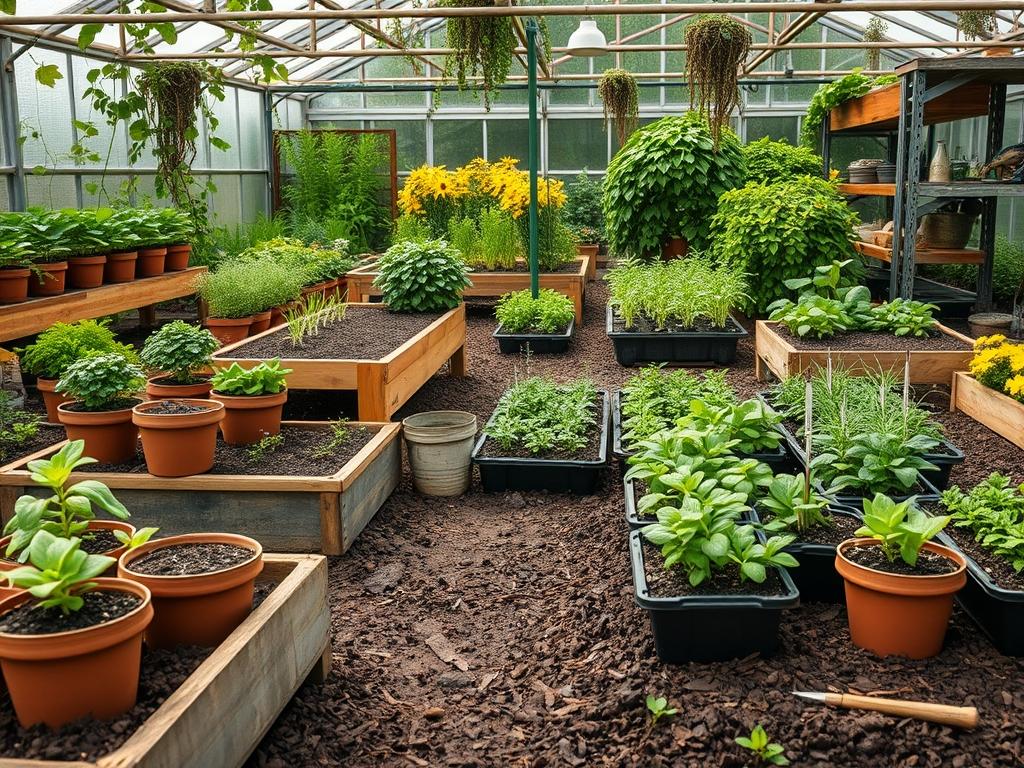
Landscaping a high end property requires more than a simple trip to a local nursery. It involves a deep understanding of the biological lifecycle of the flora that will eventually define the site’s architecture. For the professional landscape consultant, the foundation of a successful outdoor environment begins with the propagation phase. Mastery of Seed Starting Mix Basics is essential for generating the vast quantities of healthy, uniform specimens needed to fill expansive borders and complex elevation layers. By starting plants from seed in a controlled environment, we ensure that every Perennial, Ornamental Grass, and Privacy Hedge begins its life in a sterile, nutrient optimized medium. This level of control translates directly to superior curb appeal and long term property resilience. When we design a multi-functional outdoor living space, we look for a seamless transition between the structural hardscape and the vibrant, living elements. Starting these plants from high quality seed mixes allows for the customization of root architecture before they ever touch the native soil of the job site.
The success of any large scale planting plan depends on the physical properties of the starting medium. Unlike standard garden soil, which is often too heavy and may contain pathogens, a professional seed starting mix is typically soilless. It is engineered to provide maximum aeration and moisture retention. The core components usually include Sphagnum Peat Moss or Coconut Coir, which provide the bulk and water holding capacity. To this, we add Perlite, a volcanic glass that creates air pockets, and Vermiculite, which helps retain essential minerals. These materials ensure that delicate new roots can penetrate the medium without resistance. For the landscape architect, this means the resulting plugs will have the vigorous root systems necessary to survive the transition to the harsher conditions of a permanent landscape bed. Proper drainage is the primary goal here. If the mix stays too saturated, the risk of damping off increases, which can ruin an entire season’s worth of inventory before it reaches the site for installation.
Establishing a consistent seed starting protocol also addresses the logistical challenges of climate specific landscaping. In regions with short growing seasons, starting seeds indoors using professional mixes allows us to bypass the unpredictable spring weather. We can produce robust 3 inch or 4 inch starts that are ready for the ground as soon as the soil temperature stabilizes. This head start is critical for creating an immediate visual impact, ensuring that the focal points of the design are well established before the heat of summer arrives. Furthermore, a custom mix can be tailored to the specific needs of the plant species designated in the landscape plan. For example, drought tolerant Native Grasses may require a higher percentage of Coarse Sand or Perlite to mimic their natural well drained habitats. By managing these details at the seedling stage, the consultant guarantees that the final installation will achieve the desired density and aesthetic balance.
Landscape Design Principles
A successful landscape design relies on the deliberate application of structural principles to organize the outdoor environment. Symmetry serves as a primary tool for creating a sense of order and formality, especially near the primary entrance or along formal walkways. To achieve this, we often use mirrored plantings of uniform height and spread. This uniformity is most easily achieved when plants are started simultaneously in the same high quality seed mix. Focal points, such as a large Specimen Tree or a custom Water Feature, act as visual anchors that draw the eye through the space. Around these anchors, we build elevation layers starting with low growing groundcovers and progressing toward mid sized perennials and taller shrubs. This layering creates depth and prevents the landscape from appearing flat or two dimensional.
Visual balance is equally important in asymmetrical designs. We use different plant textures and colors to create a perceived weight that balances the presence of hardscaping elements like Retaining Walls or Paver Patios. Every path and walkway must facilitate smooth pedestrian circulation while offering a sensory experience of the surrounding garden. Irrigation planning must be integrated into the initial design phase to ensure that every layer receives the appropriate amount of moisture without wasting resources. By considering the topography and natural drainage of the site, we can place high water demand plants in lower elevations and more resilient species on slopes. This strategic placement, combined with a vigorous start in a professional medium, leads to a landscape that matures gracefully over time.
Plant and Material Selection
| Plant Type | Sun Exposure | Soil Needs | Water Demand | Growth Speed | Maintenance Level |
| :— | :— | :— | :— | :— | :— |
| Ornamental Grass | Full Sun | Well Drained | Low | Fast | Low |
| Evergreen Shrub | Partial Shade | Acidic/Loamy | Moderate | Slow | Medium |
| Flowering Perennial | Full Sun | Rich Organic | High | Medium | High |
| Groundcover | Full Shade | Moist/Humus | Moderate | Fast | Low |
| Native Wildflower | Full Sun | Lean/Sandy | Low | Medium | Very Low |
| Privacy Bamboo | Full Sun | Heavy/Moist | Very High | Very Fast | High |
Implementation Strategy
The transition from a design on paper to a physical landscape requires a systematic implementation strategy. We begin with site grading, which is the most critical step for ensuring proper drainage away from the home and other structures. A professional grade Leveling Rake and Transit Level are used to establish the correct pitch. Once the topography is set, we outline the beds and walkways using Marking Paint or Landscape Edging. The hardscaping, including any Natural Stone Walls or Timber Borders, should be installed before any plants are put in the ground. This prevents heavy machinery or foot traffic from compacting the newly prepared garden soil.
After the structural elements are in place, we focus on soil preparation. We often incorporate a layer of Compost or Leaf Mold into the native soil to improve its structure. For the plants started in our specialized seed mix, we dig holes twice the width of the root ball to allow for easy expansion. A standard Mulch Depth of 3 inches is then applied across the beds to suppress weeds and retain moisture. It is vital to keep the mulch away from the stems of the plants to prevent rot. Finally, the irrigation system is calibrated to provide a deep soak to the new installations, encouraging the roots to move downward into the cooler, moister layers of the earth.
Common Landscaping Failures
One of the most frequent mistakes in landscaping is poor drainage planning. If water pools in the root zone, it deprives the plant of oxygen, leading to root rot and eventual death. This is often caused by failing to account for the property’s natural slope or by using heavy, clay based soils without sufficient amendments. Soil compaction is another silent killer. During construction, heavy equipment can crush the pore spaces in the soil, making it impossible for roots to penetrate or for water to infiltrate. We mitigate this by tilling or by using Aeration Tools prior to planting.
Improper spacing is a failure of foresight. Clients often want an instant garden and push for dense planting that looks good on day one but becomes overcrowded within two seasons. This leads to competition for light and nutrients, as well as poor air circulation which invites fungal diseases. We must adhere to the mature spread specifications for every species. Additionally, irrigation inefficiencies, such as overhead spraying during the heat of the day, result in significant water loss through evaporation and can scorch delicate foliage. A professional Drip Irrigation system is almost always the superior choice for established beds.
Seasonal Maintenance
Spring is the season of renewal and heavy labor. This is when we perform the first Pre-emergent Herbicide application and refresh the Barked Mulch. We also prune any winter damaged wood and begin the first round of fertilization for the perennials. As we move into summer, the focus shifts to moisture management and deadheading spent blooms to encourage a second flush of flowers. Irrigation systems should be checked weekly for leaks or clogged emitters during the peak heat of July and August.
Autumn is the ideal time for major renovations and planting new Deciduous Trees. The cooling temperatures allow roots to establish without the stress of high heat. We also perform a thorough clean up, removing fallen leaves that could harbor pests over the winter. In winter, maintenance becomes more structural. We prune dormant trees to improve their canopy shape and check that Evergreens are protected from heavy snow loads or desiccating winds. Wrapping certain sensitive species in Burlap can prevent winter burn and ensure they emerge healthy in the spring.
Professional Landscaping FAQ
Why use a soilless mix for starting seeds?
Soilless mixes are sterile and lightweight, which prevents soil borne diseases like damping off. They provide superior aeration and drainage, ensuring that young roots have easy access to both oxygen and moisture during the most critical stage of growth.
How deep should I apply mulch in my garden beds?
For most residential and commercial landscapes, a depth of 2 to 3 inches is ideal. This thickness effectively suppresses weed germination and retains soil moisture without suffocating the roots of your ornamental plants or preventing water from reaching the soil.
What is the best way to handle poor site drainage?
French drains or dry creek beds are effective for redirecting surface runoff. Additionally, amending heavy clay soil with organic matter or installing raised planting beds can help lift plant roots out of saturated conditions that cause rot.
How do I determine the correct spacing for my plants?
Always research the mature width of each species before installation. Space plants so that their outer edges will just touch when they reach full size. This provides a full look while maintaining necessary air circulation and reducing nutrient competition.
When is the best time to install an irrigation system?
The most efficient time for installation is during the initial grading and hardscaping phase. Laying pipes before planting and mulching prevents the destruction of delicate root systems and ensures that the system is perfectly tailored to the final layout.