
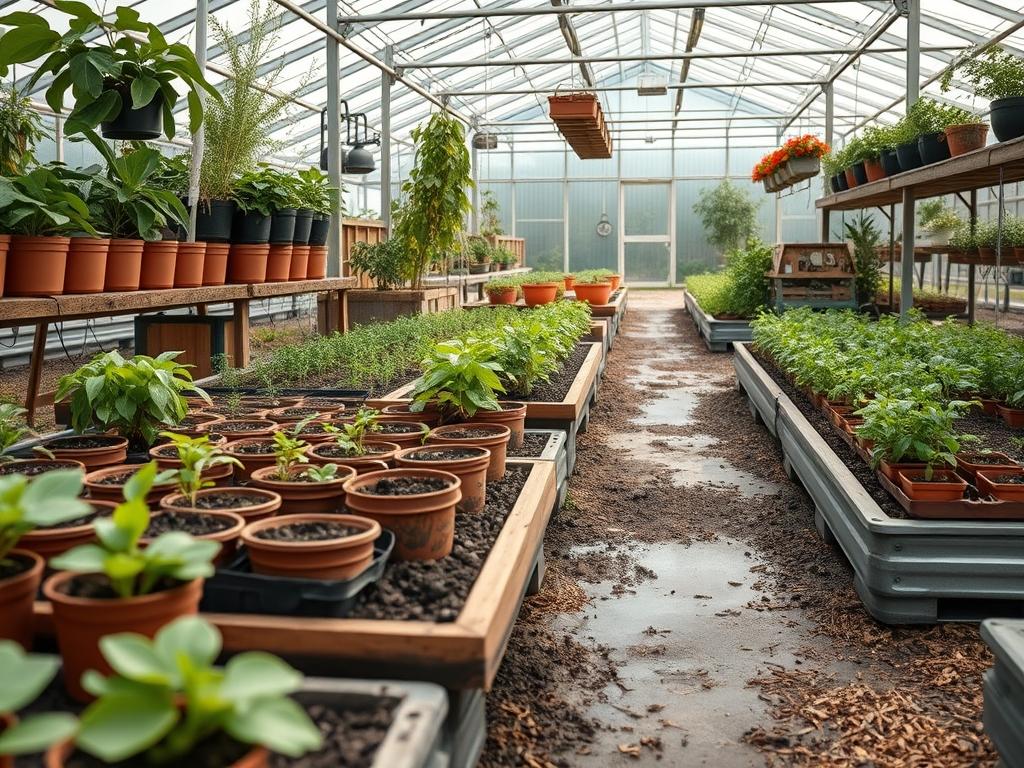
Every high-end residential landscape begins with a single, foundational decision that occurs behind the scenes in a controlled nursery environment. Achieving majestic curb appeal and long-term outdoor functionality starts with the vigor of the initial plant material. If the root systems are compromised early due to pathogens or physical resistance, the entire design vision remains at risk. This is why professional architects and consultants prioritize the best soil for nursery flats, ensuring it is both sterile and fine-textured. By eliminating weed seeds and fungal competitors through sterilization, we provide a clean slate for growth. Fine-textured media ensure that delicate young roots maintain maximum contact with moisture and nutrients, reducing the transplant shock that often ruins a pristine backyard layout. Proper soil selection at this stage is the difference between a thriving estate garden and a struggling, patchy collection of vegetation.
When we consider the transition from a nursery flat to a permanent landscape, the importance of structural integrity becomes clear. A plant grown in coarse, unmanaged soil often develops a weak, asymmetrical root ball. When that plant is installed into a formal garden, its inability to anchor properly can lead to leaning or stunted growth, ruining the intended symmetry. The best soil for nursery flats consists of a blend of peat moss, perlite, and vermiculite, which provides the porosity necessary for oxygen exchange while maintaining the moisture levels required for germination. This professional grade medium allows the architect to guarantee that every Boxwood or Hydrangea arrives at the job site with the maximum potential for rapid establishment.
Landscape Design Principles
In the realm of professional landscape architecture, we approach every project through the lens of symmetry and focal points. A well-designed environment should guide the eye through the space using elevation layers and visual balance. By utilizing retaining walls and elevated garden beds, we create depth and interest in a flat yard. This verticality requires careful planning of the sub-soil and drainage systems to prevent water from pooling behind the structures.
Focal points are generally established using specimen trees or architectural features like large natural stone fountains. Around these central elements, we layer plants by height, ensuring that the lowest ground covers transition smoothly into mid-level shrubs and eventually high-canopy trees. This layering technique mimics natural ecosystems while providing a manicured, intentional appearance. To maintain this balance, irrigation planning must be integrated at the blueprint stage. Every zone in the garden requires specific water delivery, from high-pressure sprayers for turf to precise drip irrigation emitters for delicate flower beds.
Walkways serve as the circulatory system of the landscape. Whether using flagstone pavers or decomposed granite, these paths must be wide enough to allow for comfortable movement, usually a minimum of 36 to 48 inches. The transition between the hardscape and the softscape is where the quality of the nursery stock becomes most apparent. If the plants installed along the walkway were grown in the best soil for nursery flats, their vigorous growth will quickly soften the hard edges of the stone, creating a timeless and established feel within the first growing season.
Plant and Material Selection
Selecting the right plant for the right place is the most important technical task for an outdoor consultant. The following table outlines standard selections for a diverse, resilient landscape.
| Plant Type | Sun Exposure | Soil Needs | Water Demand | Growth Speed | Maintenance Level |
| :— | :— | :— | :— | :— | :— |
| Boxwood Shrub | Full Sun to Shade | Well-Drained Loam | Moderate | Slow | Medium |
| Lavender | Full Sun | Sandy, Alkaline | Low | Moderate | Low |
| Japanese Maple | Partial Shade | Rich, Acidic Soil | High | Slow | High |
| Ornamental Grass | Full Sun | Adaptable | Low | Fast | Low |
| Hydrangea | Partial Sun | Moist, Fertile | High | Fast | Medium |
| Creeping Thyme | Full Sun | Rocky, Poor Soil | Low | Moderate | Low |
Implementation Strategy
The implementation phase begins with a thorough site analysis and grading plan. Proper grading ensures that water moves away from the home foundation at a minimum 2 percent slope. Once the topography is set, we mark the outlines of the garden beds using specialized marking paint. Edging is then installed to create a permanent barrier between the turf and the planting zones. We prefer steel edging or paver borders for their longevity and clean lines.
Before the plants are placed, the soil must be amended. Even if the plants were started in the best soil for nursery flats, the field soil often needs organic compost and expanded shale to improve aeration and drainage. After the plants are positioned according to the design plan, they are backfilled with a mixture of native soil and amendments. A critical step is the application of a 3-inch layer of hardwood mulch. This mulch depth regulates soil temperature, retains moisture, and suppresses weed growth.
During the planting process, the transition from the nursery medium to the field soil must be managed carefully. We often “tease” the roots of the nursery-grown plants to encourage them to spread into the surrounding earth. If the nursery soil was too coarse or contained large bark chunks, the root system might be too loose to survive this process. This highlights why a fine, sterile medium in the early stages is so beneficial for the final implementation. It creates a dense, fibrous root mass that holds together during the stressful transplanting phase.
Common Landscaping Failures
The most common failure in modern landscaping is improper drainage. When water saturates the root zone for extended periods, it replaces the oxygen needed for cellular respiration, leading to root rot. Even the most expensive specimens will perish if the drainage pipes or dry creek beds are incorrectly installed. Another frequent mistake is root overcrowding. Designing for the “instant landscape” look often leads to planting trees and shrubs too close together. Within five years, these plants compete for light and nutrients, leading to lopsided growth and increased disease susceptibility.
Soil compaction is a silent killer in new construction. Heavy machinery used during home building crushes the soil structure, making it as hard as concrete. If a landscaper does not use a mechanical tiller or sub-soiler to break up these layers, the plants will effectively be trapped in a “bathtub” of stagnant water. Furthermore, irrigation inefficiencies often stem from a lack of zoning. Grouping high-water plants with drought-tolerant species leads to one group either drowning or desiccating. Professional planning ensures that each hydrozone is managed independently to maximize water conservation.
Seasonal Maintenance
Landscape management is a year-round commitment that changes with the light and temperature. In the Spring, the focus is on rejuvenation. This involves removing winter debris, applying a slow-release fertilizer, and pruning any frost-damaged limbs. It is also the peak time for installing new perennials that were started in nursery flats over the winter.
Summer maintenance centers on water management and pest control. During heat waves, it may be necessary to adjust the irrigation controller to provide deeper, less frequent watering to encourage deep root growth. Mulch should be inspected and replenished where it has thinned out.
As Autumn arrives, the priority shifts to soil health. We recommend applying a layer of leaf mold or compost to the beds. This is also the best time for planting large canopy trees, as the cooler air and warm soil promote root establishment without the stress of high evaporation.
In Winter, the landscape is in a dormant state, but work continues. Structural pruning of deciduous trees should be performed now to improve their silhouette. Winter is also the season for planning the next year’s nursery starts. Choosing the best soil for nursery flats in the late winter ensures that when the spring thaw arrives, your seedlings are healthy, robust, and ready to contribute to the overall curb appeal of the property.
Professional Landscaping FAQ
Why should I use sterile soil for my nursery flats?
Sterile soil eliminates pathogens, fungi, and weed seeds. This ensures that vulnerable seedlings do not have to compete for nutrients or face “damping off” disease, which can quickly wipe out an entire batch of expensive ornamental plants.
What is the benefit of a fine-textured soil medium?
Fine particles provide superior surface area contact for tiny roots. This allows for better capillary action, ensuring that moisture is distributed evenly throughout the flat, preventing dry spots that could kill delicate young root hairs.
How deep should my landscape mulch be?
A consistent depth of 3 inches is the industry standard. This is thick enough to suppress weeds and retain moisture, but not so deep that it prevents oxygen from reaching the soil or causes rot around tree trunks.
How do I prevent water from pooling near my foundation?
Ensure a minimum 2 percent grade away from the house. In areas with heavy clay, install a French drain system or a swale to catch runoff and direct it toward a designated drainage area or rain garden.
When is the best time to plant new shrubs?
Early autumn is generally preferred. The combination of warm soil and cooling ambient temperatures allows the root system to establish itself before the winter freeze, leading to a much stronger growth spurt when the following spring arrives.