
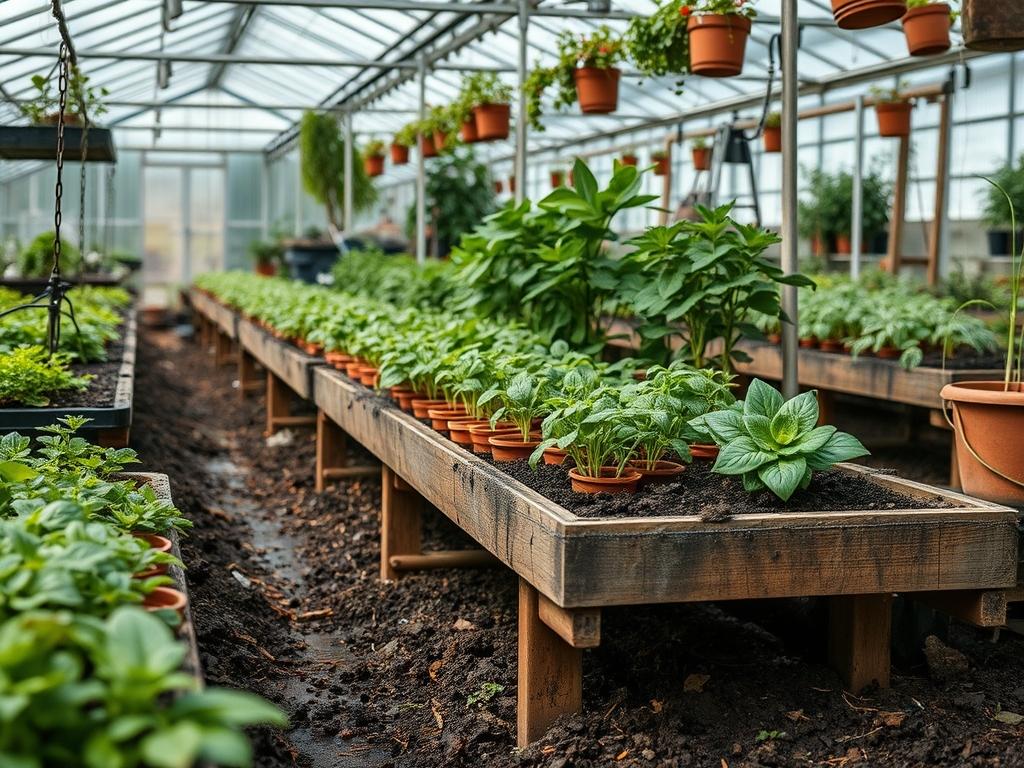
Managing a high performance greenhouse requires more than basic horticultural knowledge; it demands an architect’s eye for spatial efficiency and a scientist’s understanding of substrate dynamics. Greenhouse Bench Soil Tips often begin with the realization that bench-grown plants exist in a micro environment entirely separate from the native soil surrounding a property. This isolation provides unparalleled control over the growing cycle, but it also creates a total dependency on the landscape manager for nutrients, hydration, and structural stability. When integrating a greenhouse into a larger estate or commercial project, the internal bench systems must align with the overall site drainage and the aesthetic flow of the landscape. A well designed greenhouse is a functional extension of the outdoor living space, serving as a laboratory where soil health is managed with surgical precision to ensure that the surrounding gardens remain vibrant and well stocked.
The structural safety of the greenhouse environment depends heavily on how weight is distributed across the benching system. Standard greenhouse benches must support hundreds of pounds of saturated soil, heavy ceramic pots, and sophisticated irrigation hardware. If the bench soil is too dense or lacks proper aeration, the weight can exceed the load bearing capacity of the structure, leading to catastrophic failure. Professional landscape consultants emphasize the use of lightweight, engineered soilless mixes that provide the necessary capillary action without the overwhelming weight of traditional field dirt. By focusing on Greenhouse Bench Soil Tips that prioritize structural integrity and microbial health, gardeners can maintain a safe, productive, and visually appealing environment year round.
Landscape Design Principles
In professional greenhouse planning, the design principles of symmetry and elevation are paramount. The layout of greenhouse benches should mirror the formal geometry of the external landscape to create a sense of continuity. Symmetrical bench arrangements allow for central walkways, which should be at least 36 inches wide to accommodate wheelbarrows and heavy equipment. This central axis serves as a visual focal point, drawing the eye through the glass structure toward the outdoor garden beds or a distant architectural feature like a fountain or a stone retaining wall.
Elevation layers within the greenhouse are achieved by staggered bench heights. Utilizing a tiered system, typically ranging from 30 inches to 42 inches in height, allows the landscape architect to maximize vertical space and improve light penetration. High benches are ideal for trailing species or light sensitive starts, while lower benches can house larger, more established specimens that require higher humidity levels. Visual balance is maintained by ensuring that the massing of the plants on the benches does not obscure the architectural lines of the greenhouse frame.
Irrigation planning within this design framework must be discrete and efficient. Professional designs often incorporate hidden distribution lines tucked beneath the lip of the bench or buried within the gravel floor. This maintains the clean lines of the interior while ensuring that every pot receives an exact volume of water. Proper walkway materials, such as decomposed granite or textured pavers, provide the necessary grip in high moisture environments, preventing slips while contributing to the high end aesthetic of the facility.
Plant and Material Selection
| Plant Type | Sun Exposure | Soil Needs | Water Demand | Growth Speed | Maintenance Level |
| :— | :— | :— | :— | :— | :— |
| Zonal Geranium | Full Sun | Peat-Perlite | Moderate | Medium | Low |
| Butterhead Lettuce | Partial Shade | Organic Compost | High | Fast | Moderate |
| Boston Fern | Shade | High Humus | High | Medium | High |
| Lavender | Full Sun | Sandy Grit | Low | Slow | Moderate |
| Coleus | Partial Sun | Loamy Mix | Moderate | Fast | Low |
| Snapdragon | Full Sun | Rich Potting Soil| Moderate | Medium | Medium |
Implementation Strategy
The successful implementation of a greenhouse bench system begins with a foundation of stability. Before any soil is introduced, the greenhouse floor must be perfectly graded to facilitate drainage. A slope of 1 percent toward a central drain or an external swale is standard. Once the grade is established, a base of 4 inches of compacted gravel or crushed stone provides a stable, porous surface for the benches and helps manage the runoff from overhead irrigation.
When constructing the benches, durability is the primary focus. Using galvanized steel or pressure treated lumber ensures the structure can withstand constant humidity and chemical exposure. Once the benches are in place, the substrate is layered. A common “best practice” involves placing a layer of landscape fabric at the bottom of the bench to prevent soil migration while allowing water to pass through freely. The soil mix itself should be a blend of 60 percent peat moss, 20 percent perlite, and 20 percent vermiculite. This combination provides the ideal balance of water retention and gas exchange.
Safety protocols must be integrated into the physical layout. All chemical fertilizers and pesticides should be stored in a dedicated, ventilated cabinet located away from the primary bench area. Furthermore, the edges of the benches should be rounded or capped with polyethylene trim to prevent injury during routine maintenance. By following these Greenhouse Bench Soil Tips, the transition from a construction site to a functioning garden becomes a seamless process that enhances the overall property value.
Common Landscaping Failures
One of the most frequent failures in greenhouse management is soil compaction. Over time, the fine particles in a soil mix settle, eliminating the macro pores required for root respiration. This often occurs when gardeners use heavy field soil or fail to incorporate enough coarse perlite. Compaction leads to anaerobic conditions, which invite root rot pathogens and stunt plant growth. To avoid this, soil should be replaced or amended every 12 to 18 months to maintain its physical structure.
Drainage mistakes also plague many indoor growing environments. If the greenhouse bench lacks a sufficient number of drainage holes or if those holes are blocked by debris, water will pool at the bottom of the containers. This standing water creates a breeding ground for fungus gnats and shore flies. Professional landscape consultants recommend using copper mesh or specialized tray liners to keep drainage paths clear while preventing insects from entering through the bottom of the pots.
Another critical error is the failure to account for salt buildup from concentrated fertilizers. Because greenhouse soil is not flushed by natural rainfall, synthetic salts can accumulate to toxic levels, burning delicate root tips. This is often visible as a white crust on the surface of the mulch or soil. Regular leaching—the process of applying excess water to wash salts through the root zone—is essential for long term soil health.
Seasonal Maintenance
Spring is the season for rejuvenation and heavy planning. The focus should be on sterilized soil preparation and starting seeds for the upcoming outdoor landscape. Every bench should be scrubbed with a mild bleach solution or a hydrogen peroxide wash to kill overwintering spores. Inspect the irrigation emitters for clogs and recalibrate the timers to account for the increasing day length and higher temperatures.
Summer maintenance centers on moisture management and temperature control. As solar gain increases, bench soil can dry out in a matter of hours. Applying a 2 inch layer of fine bark mulch or rice hulls to the surface of the pots can significantly reduce evaporation. It is also the time to monitor for heat stress. Landscape professionals often use 70 percent shade cloth during the peak summer months to protect sensitive bench crops from leaf scorch.
Autumn is the transition period where the greenhouse becomes a refuge for tender perennials. As the outdoor temperature drops, the soil moisture requirements change. Reduce fertilization and allow the soil to dry slightly between waterings to encourage plants to enter a semi dormant state. This is also the ideal time to test the pH levels of your bench soil; a target range of 5.8 to 6.2 is generally ideal for most greenhouse varieties.
Winter is the time for structural audits and soil sanitation. With fewer plants in active growth, the benches can be fully emptied for maintenance. Check for signs of wood rot or metal corrosion. If you are reusing soil, it must be pasteurized at 180 degrees Fahrenheit for at least 30 minutes to ensure it is free of pests and diseases. This rigorous winter cleaning ensures that the next growing season begins with a healthy, safe foundation.
Professional Landscaping FAQ
How often should I replace greenhouse bench soil?
Under professional management, you should replace the substrate every 12 to 24 months. Constant irrigation and nutrient applications break down the structure of peat and perlite, leading to poor aeration and increased risk of root pathogens.
What is the best way to prevent soil pathogens?
Start with sterile, soilless mixes and maintain a clean environment. Sanitize all tools with isopropyl alcohol and ensure that foot traffic does not track native, unsterilized soil into the greenhouse from the outdoor garden beds.
Can I use regular garden mulch on greenhouse benches?
Traditional landscape mulch is often too heavy and may contain pests. Instead, use sterilized coco coir, parboiled rice hulls, or fine grade pine bark. These materials provide moisture retention without introducing unwanted fungi or insects.
How do I manage the weight of large planters on benches?
Distribute the load by placing heavy pots directly over the bench legs or structural supports. Use lightweight potting mixes and consider fiberglass or resin containers rather than heavy clay or concrete to preserve the integrity of the benches.
What is the ideal drainage system for greenhouse benches?
A combination of slotted bench tops and a graded floor is most effective. Gravity should pull excess water away from the root zone and into a drainage system that prevents pooling on the greenhouse floor.