
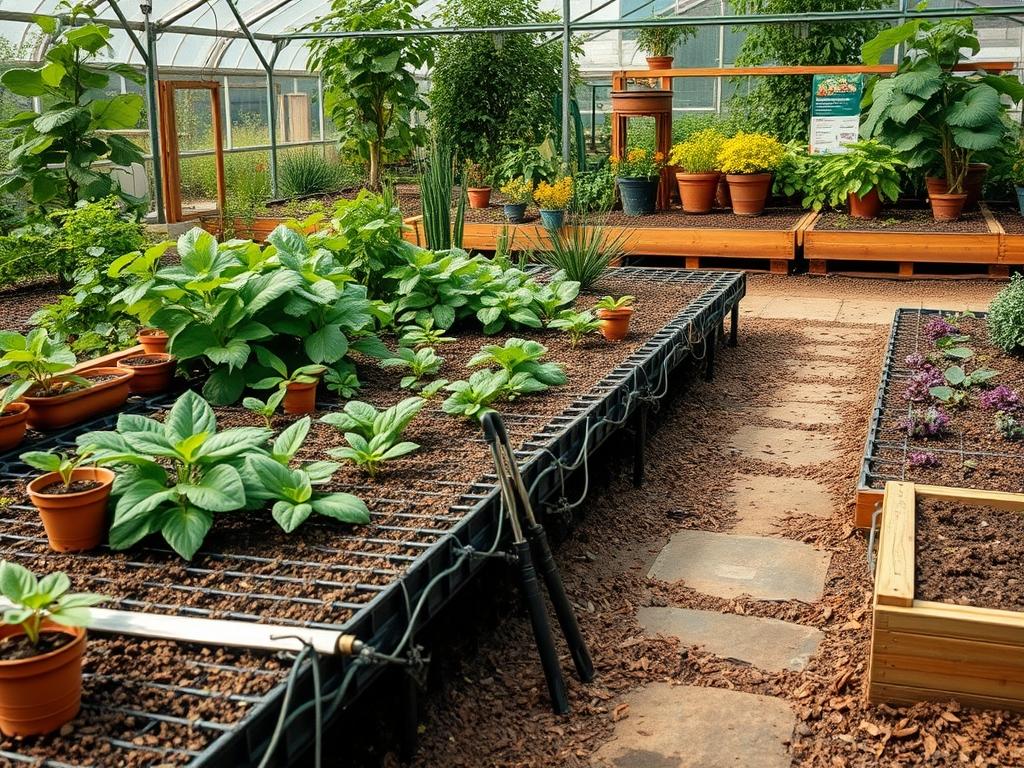
Designing a high performance landscape requires more than just aesthetic vision; it demands a deep understanding of soil physics and subterranean water management. When working with deep raised beds, typically defined as those exceeding 18 inches in height, the primary challenge shifts from surface level layout to internal volume management. These structures are often the crown jewels of a residential landscape, providing dramatic focal points and increasing curb appeal by adding vertical interest to a flat yard. However, the sheer volume of soil creates a risk of compaction and waterlogging. Choosing the best soil for deep beds is only half the battle. Without a strategic bottom layer of drainage, even the most expensive organic blends will eventually succumb to a phenomenon known as a perched water table. This occurs when water reaches a transition point between different textures and ceases to move downward, effectively drowning the lower root zones of your prized specimens.
Architecting a functional garden environment means balancing the desire for lush greenery with the practicalities of the local climate. In regions with heavy seasonal rainfall, deep beds act as basins if not properly engineered. Conversely, in arid environments, the high elevation of these beds increases evaporation rates, necessitating a soil structure that retains moisture without becoming anaerobic. The goal of any senior landscape consultant is to create an outdoor space that serves as an extension of the home, providing functionality for outdoor living while maintaining a sustainable ecosystem. By integrating bottom layer drainage, such as coarse gravel, broken pottery, or specialized drainage tiles, we ensure that oxygen continues to reach the roots. This structural integrity is what separates a professional installation from a temporary garden patch.
Landscape Design Principles
Successful landscape design relies on the core pillars of symmetry, focal points, and elevation layers. Deep beds are exceptional tools for creating these layers because they physically lift the planting plane closer to the eye. When planning the layout, consider the visual balance of the entire property. A massive deep bed on one side of a walkway must be countered by an equivalent visual weight on the other, perhaps through a cluster of taller shrubs or a hardscaped seating area. This creates a sense of harmony that guides the viewer’s eye through the space.
Elevation is particularly important in deep bed design. By using varying heights, you can hide unsightly foundations or create privacy screens without the need for high fences. Irrigation planning must be integrated at the blueprint stage. For deep beds, we frequently recommend internal drip lines buried 3 to 4 inches below the soil surface to minimize evaporation. This ensures that the best soil for deep beds remains consistently hydrated at the root level rather than just on the surface. Walkways should be wide enough to allow for maintenance access, typically a minimum of 36 inches, ensuring that tools like a Wheelbarrow or Garden Cart can pass through without damaging the structure of the beds.
Plant and Material Selection
The following table outlines high performance plant selections specifically suited for deep bed environments where soil quality and drainage are optimized.
| Plant Type | Sun Exposure | Soil Needs | Water Demand | Growth Speed | Maintenance Level |
| :— | :— | :— | :— | :— | :— |
| Dwarf Boxwood | Full to Partial | Loamy, Well-drained | Moderate | Slow | Low |
| Purple Coneflower | Full Sun | Sandy Loam | Low | Medium | Low |
| Japanese Maple | Partial Shade | Rich, Acidic | Moderate | Slow | Medium |
| Lavender | Full Sun | Gritty, Alkaline | Very Low | Medium | Moderate |
| Hydrangea | Partial Sun | High Organic Matter | High | Fast | Medium |
| Creeping Thyme | Full Sun | Well-drained, Lean | Low | Fast | Low |
Implementation Strategy
The process begins with site grading. Even though the bed is raised, the ground beneath must slope slightly away from the home foundation to prevent water pooling. Once the perimeter is established using high quality materials like Cedar, Stone, or Composite Timbers, the base should be lined with a heavy duty Landscape Fabric to prevent weed intrusion while allowing water to pass. The first 4 to 6 inches of a deep bed should consist of coarse drainage material. For a professional finish, we often use Clean Crushed Stone or a Hugelkultur base of rotting logs and branches, which slowly release nutrients over time.
Next, layer the best soil for deep beds, which should be a blend of 60% Topsoil, 30% Compost, and 10% Perlite or coarse sand. This ratio prevents the compaction that plagues deep containers. As you fill the bed, lightly tamp the soil every 6 inches to remove large air pockets, but avoid heavy treading that would crush the soil structure. Edging is the final structural step; a clean metal or stone edge keeps mulch from spilling onto walkways. Apply a 3 inch Layer of Hardwood Mulch to the surface to regulate temperature and suppress surface weeds. This layered approach ensures that the bed remains productive for years without requiring a total soil replacement.
Common Landscaping Failures
The most frequent error in deep bed construction is neglecting the internal drainage, leading to anaerobic conditions where roots rot in stagnant water. Many homeowners believe that more soil is always better, but without the transition layer at the bottom, gravity pulls the smallest soil particles to the base, creating a thick, cement like sludge. Another common failure is improper spacing. In the excitement of a new project, it is easy to overplant. However, a 1 gallon shrub will eventually reach its mature width, and overcrowding leads to poor air circulation and fungal outbreaks.
Irrigation inefficiency is also a major concern. Overhead watering often fails to penetrate the full depth of a deep bed, leaving the bottom half bone dry while the top is saturated. Furthermore, using untreated lumber for retaining walls can lead to structural collapse within a few seasons as the wood rots from constant contact with moist soil. Always choose Pressure Treated Wood rated for ground contact or naturally rot resistant species. Finally, failing to account for soil settling is a rookie mistake. A deep bed can settle by as much as 15% to 20% in its first year; neglecting to overfill slightly will result in a sunken garden appearance that is difficult to correct.
Seasonal Maintenance
Spring is the season for assessment and preparation. As the ground thaws, check the structural integrity of the beds and clear out any debris that accumulated over winter. This is the ideal time to add a fresh 2 inch layer of Compost to replenish nutrients. In the summer, the focus shifts to moisture management. Use a Soil Moisture Meter to check depths of 10 inches or more, ensuring the core of the bed remains hydrated. Deadheading spent blooms will encourage continuous flowering through the peak heat.
Autumn is dedicated to protection and planting. This is the best window for planting hardy perennials or bulbs. It is also the time to apply a fresh layer of mulch to insulate the root systems against the coming frost. Winter maintenance is largely passive but involves clearing heavy snow loads from evergreen shrubs within the beds to prevent limb breakage. If your deep beds are made of masonry, inspect the mortar joints for cracks caused by freeze thaw cycles. Addressing these small issues annually prevents the need for a total landscape overhaul every decade.
Professional Landscaping FAQ
What is the ideal depth for a deep garden bed?
For most ornamental and vegetable applications, a depth of 18 to 24 inches is ideal. This provide sufficient room for complex root systems while remaining at a comfortable height for ergonomic gardening and maintenance tasks without excessive bending.
Can I use regular garden soil in deep beds?
Native garden soil is often too heavy and contains clay that compacts under its own weight. The best soil for deep beds is a lightweight, engineered mix containing organic matter and aeration components to ensure long term breathability.
Why is bottom drainage better than just holes?
While drainage holes are necessary, a dedicated bottom layer of coarse material creates a reservoir that prevents soil from clogging the exits. This maintains a clear path for excess water to escape, preventing the perched water table effect.
How often should I supplement the soil?
Deep beds lose volume as organic matter decomposes. You should top off the bed with a 2 to 3 inch layer of High Quality Compost every spring. This replenishes nutrients and maintains the desired soil elevation for optimal aesthetics.
Which mulch is best for deep beds?
Triple Shredded Hardwood Mulch is the most professional choice. It knits together to stay in place on the elevated surface, effectively regulates soil temperature, and breaks down slowly to add valuable organic carbon back into the soil profile.