
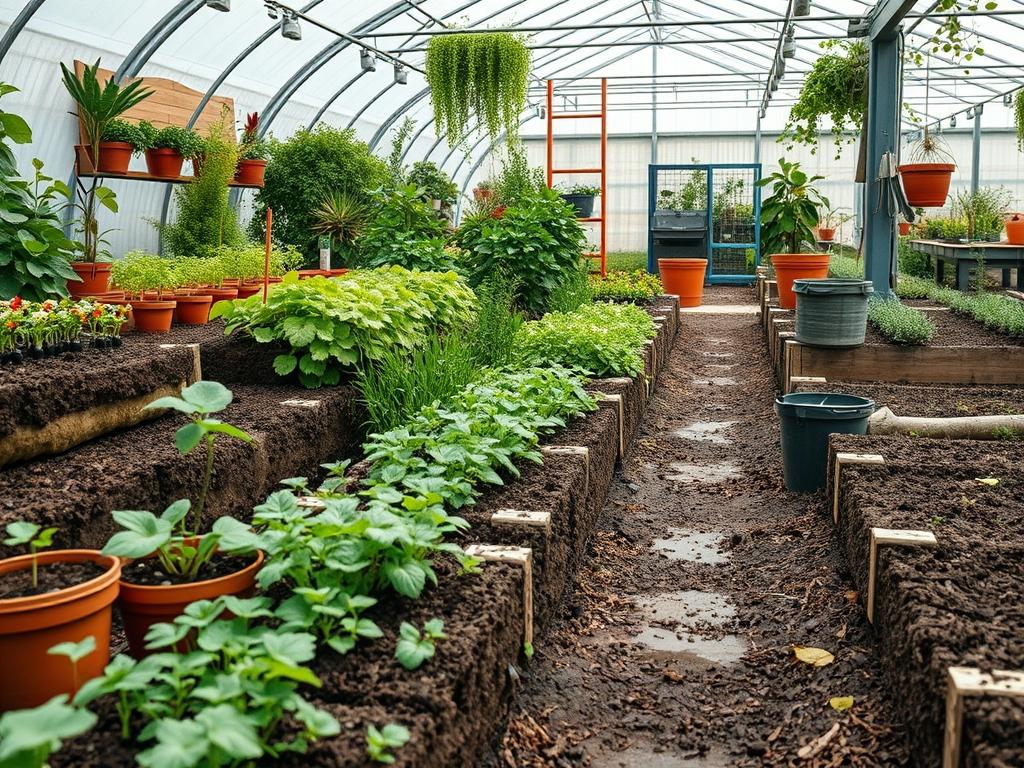
The design of a high-performance landscape requires a marriage of structural integrity and biological efficiency. For homeowners looking to maximize yields in taxing climates, the keyhole garden represents a pinnacle of circular land design. Originating in arid environments as a method to retain moisture and recycle nutrients, these raised beds serve as both a focal point for curb appeal and a powerhouse for domestic food production. Integrating a keyhole garden into a modern backyard plan involves more than just stacking stones. It requires a deep understanding of soil mechanics, drainage, and the internal feeding systems that characterize the structure. By centralizing the composting process within the bed itself, the landscape architect creates a self-sustaining ecosystem that reduces the need for external fertilizers and manual labor. Success begins with the rigorous execution of the Initial Keyhole Garden Soil Setup, ensuring the base is built to support years of intensive growing.
Landscape Design Principles
Effective landscape design relies on visual balance and accessibility. A keyhole garden is typically a circular structure roughly 6 feet in diameter with a wedge-shaped cutout that allows a gardener to reach the center without stepping on the soil. This prevents soil compaction, which is the primary enemy of root health. From an architectural perspective, the symmetry of the circle provides a grounding element in a backyard layout. It can be used to anchor a corner or serve as a central island within a larger garden path network.
Elevation layers are equally critical. By building the walls to a height of 24 to 36 inches, the designer reduces the physical strain on the user while simultaneously creating a microclimate. The verticality of the stone or cedar walls absorbs heat during the day and releases it at night. This thermal mass extends the growing season in cooler climates. Irrigation planning is simplified because the central compost basket acts as the primary hydration point. Water poured into the basket leaches nutrients directly into the root zones of the surrounding plants. This internal irrigation system minimizes surface evaporation and ensures that moisture reaches the deep subsoil where it is needed most.
Plant and Material Selection
Choosing the right materials and flora determines the longevity of the installation. The outer retaining walls should be constructed from durable, non-leaching materials like fieldstone, recycled bricks, or untreated cedar. For the interior feeding tube, a wire mesh or galvanized hardware cloth cylinder is standard. Below is a guide for selecting plants that thrive in the nutrient-dense environment of a keyhole system.
| Plant Type | Sun Exposure | Soil Needs | Water Demand | Growth Speed | Maintenance Level |
| :— | :— | :— | :— | :— | :— |
| Cherry Tomatoes | Full Sun | High Organic Matter | Moderate | Fast | Moderate |
| Lacinato Kale | Full/Partial Sun | Nitrogen Rich | High | Medium | Low |
| Sweet Basil | Full Sun | Well-Drained | Moderate | Fast | Low |
| Bell Peppers | Full Sun | Phosphorus Rich | Moderate | Medium | Medium |
| Bush Beans | Full Sun | Loose, Loamy | Low | Fast | Low |
Implementation Strategy
The implementation of a Keyhole Garden Soil Setup follows a modified lasagna gardening or hugelkultur technique. After clearing the site and ensuring it is level, mark a 6-foot diameter circle. Use a level to ensure the first course of your retaining wall is even. This prevent shifts in the structure over time. In the dead center, place a tube made of hardware cloth that is approximately 12 inches in diameter and stands 6 inches taller than the outer walls.
Layering is the secret to a productive bed. Start with a foundation of cardboard and newspaper to suppress weeds. Above this, add a 4-inch layer of coarse drainage material such as broken pottery, river rocks, or large gravel. This ensures that the bottom of the bed doesn’t become anaerobic. The next layer should consist of dry sticks and small logs to provide long-term carbon sources.
Next, add green materials like grass clippings or vegetable scraps, followed by a generous layer of well-rotted manure. The final 10 to 12 inches must be a high-quality blend of topsoil, peat moss, and perlite. As you fill the bed, slope the soil downward from the central basket toward the outer walls. This “volcano” shape uses gravity to help distribute the nutrient-rich tea that emanates from the central compost column. Finish the project by applying a 2-inch layer of organic mulch or straw to the soil surface to regulate temperature.
Common Landscaping Failures
The most frequent mistake in keyhole design is poor drainage at the base. If the water cannot escape the bottom of the cylinder, the organic matter will rot rather than decompose, creating a foul odor and killing sensitive roots. Another common failure is the use of treated lumber for the structure. Chemicals like alkaline copper quaternary can leach into the soil and be absorbed by edible plants.
Soil compaction also occurs when the “keyhole” notch is too narrow. If the gardener cannot easily access the compost basket, they may be tempted to lean on or step into the bed. This collapses the air pockets in the loamy topsoil. Furthermore, many amateurs fail to account for root overcrowding. Because the soil is so nutrient-rich, plants grow larger and faster than they do in traditional rows. Without proper spacing, airflow is restricted, leading to powdery mildew or aphid infestations. Finally, neglecting the compost basket is a systemic failure. The basket must be kept moist and filled with a balanced ratio of greens and browns to ensure the feeding mechanism actually works.
Seasonal Maintenance
Landscape management for a keyhole system change with the calendar. In the spring, the primary goal is aeration and replenishment. Remove any compacted mulch and add a fresh 2-inch layer of compost to the top of the bed. Check the wire mesh of the central basket for any signs of corrosion or damage from winter frost.
During the summer, maintenance focuses on the feeding cycle. Add kitchen scraps and gray water to the central basket daily. If the weather is exceptionally dry, you may need to supplement by watering the base of the plants, but always prioritize the basket to encourage deep root growth.
In the autumn, as harvests wind down, it is time to amend the soil. This is the best period to add bone meal or rock phosphate to replace minerals used by the summer crops. Consider planting a cover crop like clover or winter rye to prevent soil erosion.
When winter arrives, the structure should be protected. If you live in an area with heavy snow, cover the top of the central compost basket with a wooden lid or a burlap sack to prevent the compost from becoming waterlogged. This is also the ideal time to inspect the outer retaining walls for any stones that have shifted due to freeze-thaw cycles. Keeping the structure tight ensures the soil remains contained and pressurized for the next growing season.
Professional Landscaping FAQ
How often should I add material to the center basket?
You should add green waste and brown matter at least twice a week. Keeping the basket full ensures a steady supply of nutrients. Use a garden fork to occasionally settle the contents and maintain airflow for decomposition.
Can I build a keyhole garden on a concrete patio?
Yes, provided you create a drainage layer at the bottom. Use at least 4 inches of coarse gravel or crushed stone before adding soil. Ensure the wall height is sufficient to hold the necessary soil volume for deep-rooted crops.
What is the best material for the central basket?
A heavy-duty galvanized hardware cloth with half-inch openings is the professional choice. It is rigid enough to hold the weight of the compost while allowing water and worms to move freely between the basket and the planting area.
Why is my keyhole garden soil settling so much?
Settling is natural as the bottom layers of sticks and manure decompose. Expect the soil level to drop by 3 to 5 inches per year. Simply top off the bed with fresh humus or potting mix every spring.
Do I need an auxiliary irrigation system?
In most climates, the central basket is enough. However, in extreme desert heat, installing a drip irrigation line around the inner perimeter of the wall provides a safety net. This ensures the edges of the soil do not dry out completely.