
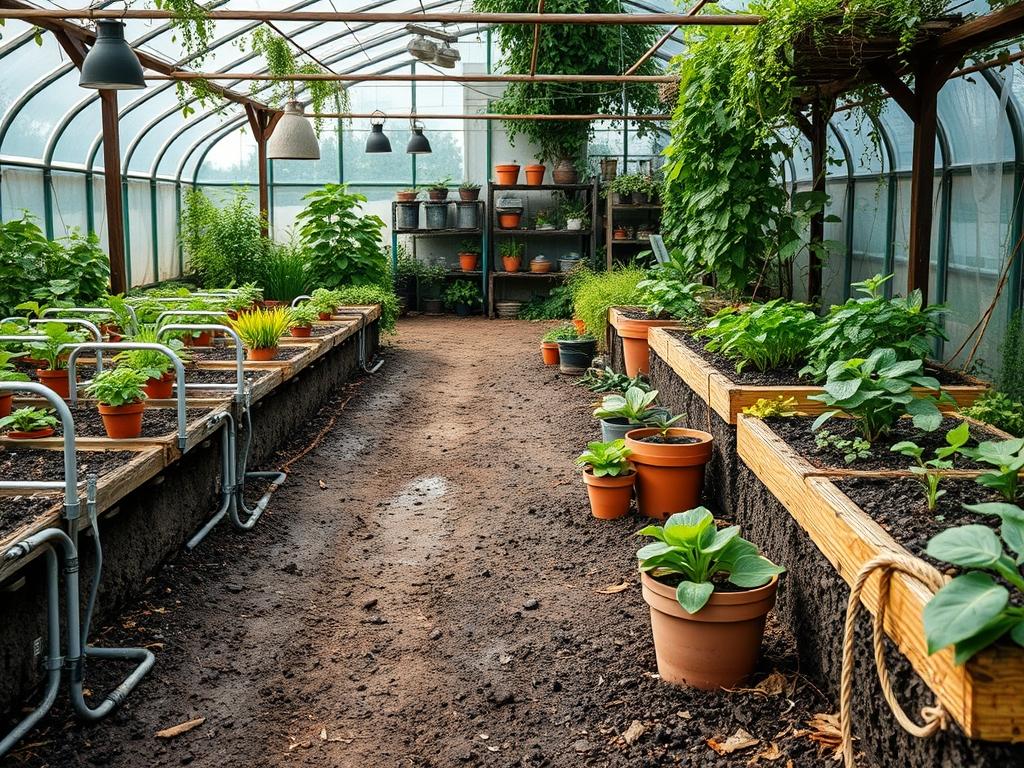
Transitioning from traditional in-ground gardening to containerized systems represents a strategic shift in modern landscape architecture. This move is often driven by the need for greater control over soil chemistry, the desire for modularity in outdoor living spaces, and the reality of challenging native soil conditions. When designing a high-end residential landscape, we often look to fabric containers and bag systems to provide immediate height, texture, and visual interest where permanent structures might be too invasive or expensive. However, the foundational success of these installations hinges entirely on the physical structure of the medium used. The best soil for bag gardens is not actually soil in the traditional geological sense; it is a meticulously engineered substrate designed to balance water retention with high-volume air exchange.
In professional landscaping, we view every bag as a micro-ecosystem. Unlike the open earth, where moisture can migrate laterally and deeply through various horizons, a bag is a closed system with a defined boundary. This boundary creates a physical phenomenon known as a perched water table. This layer of saturated medium at the bottom of the container can easily drown roots if the texture is too fine. To create a premium outdoor environment that enhances curb appeal and functional longevity, the choice of substrate must prioritize aeration. Without intentional gaps in the soil matrix, even the most expensive native plants or ornamental shrubs will suffer from root rot, stunted growth, and poor nutrient uptake.
Landscape Design Principles
Successful landscape architecture using bag systems requires the same rigorous adherence to formal principles as any masonry or softscape project. Symmetry serves as a core tool for creating a sense of order and prestige. Placing identical fabric pots on either side of a bluestone walkway or flanking a main entryway provides an immediate sense of intention. We often use these bags to create focal points within a larger garden layout. By selecting a large, architectural species such as a Japanese Maple or a standard-trained Hibiscus, the container becomes a living sculpture.
Elevation layers are another critical design component. In a flat backyard, bag gardens allow us to create artificial topography. By utilizing stepped cedar platforms or tiered retaining wall blocks, we can elevate certain plants to eye level. This prevents the landscape from feeling two dimensional. Strategic placement also facilitates better drainage and airflow around the bags. When planning the layout, we must also consider irrigation. Integrating a 0.5-inch drip line system hidden beneath layers of hardwood mulch or decorative river rock ensures that the high-evaporation environment of a bag garden remains consistently hydrated without visual clutter. Finally, visual balance is achieved by mixing different container sizes. Large 30-gallon bags provide the weight and presence of a permanent fixture, while smaller 5-gallon bags allow for seasonal color rotations that keep the curb appeal fresh throughout the year.
Plant and Material Selection
| Plant Type | Sun Exposure | Soil Needs | Water Demand | Growth Speed | Maintenance Level |
| :— | :— | :— | :— | :— | :— |
| Dwarf Citrus | Full Sun | High Aeration / Acidic | Moderate | Moderate | High |
| Japanese Maple | Partial Shade | Well-Drained / Porous | Consistent | Slow | Moderate |
| Bush Beans | Full Sun | Loamy / Extra Perlite | Frequent | Fast | Low |
| Sweet Basil | Full Sun | Rich / Coarse Texture | High | Fast | Medium |
| Echinacea | Full Sun | Sandy / Low Organic | Low | Moderate | Low |
| Blueberry Bush | Full Sun | Highly Acidic / Peat | High | Moderate | Medium |
| Rosemary | Full Sun | Gritty / Low Water | Very Low | Slow | Low |
Implementation Strategy
The installation process begins with site grading and preparation. Even though the plants are in bags, the surface beneath them must be level and well-draining to prevent water from pooling at the base. We recommend excavating the footprint to a depth of 3 inches, then backfilling with compacted crushed stone or pea gravel. This provides a stable, porous foundation that discourages pests and prevents the bag from wicking up pathogens from the ground.
Once the site is prepared, focus turns to the substrate mix. To achieve the best soil for bag gardens, we follow a professional ratio: 40 percent sphagnum peat moss or coconut coir for moisture retention, 40 percent coarse perlite or pumice for aeration, and 20 percent aged compost for biological activity. This mix ensures that even when the bag is fully saturated, there is at least 15 to 20 percent air porosity within the root zone. When filling the bags, avoid tamping the soil down with force. Instead, fill the bag to the midpoint, water it lightly to settle the medium, then finish filling to within 2 inches of the rim.
For the finishing touches, apply a 2-inch layer of pine bark fines or shredded cedar mulch to the top of the bag. This helps regulate temperature and prevents the light aeration components like perlite from floating to the surface. If the design includes multiple bags, use hardscaping elements like slate pavers or limestone edging to define the garden beds. This transition between the soft bags and hard edges creates a professional, polished look that increases property value.
Common Landscaping Failures
The most frequent failure in bag gardening is the use of “garden soil” or “topsoil” purchased in bulk. These materials are too heavy and contain high clay fractions that collapse under the confined pressure of a container. Within weeks, the lack of aeration leads to anaerobic conditions, often characterized by a sour smell and yellowing leaves. Another common mistake is root overcrowding. Because the air-pruning nature of fabric bags encourages a dense root mass, many gardeners neglect to upsize the container. This leads to a root-bound state where the plant can no longer access the water held in the medium.
Irrigation inefficiencies also plague many projects. Fabric bags lose moisture from the sides as well as the top. If a landscaper applies the same watering schedule as an in-ground bed, the bags will likely dry out too quickly, causing salt buildup from fertilizers. Conversely, placing bags in decorative plastic cachepots without drainage holes defeats the entire purpose of the fabric’s aeration properties. We also see many homeowners fail to account for wind; a tall plant in a light, airy soil mix can easily blow over if the bag is not properly anchored or weighted with a layer of lava rock at the bottom.
Seasonal Maintenance
Spring is the season for rejuvenation. We recommend pulling back the top layer of mulch and amending the bags with a 1-inch layer of fresh worm castings to jumpstart the microbiology. Check the drip emitters for clogs and ensure the irrigation timer is adjusted for the warming weather. As we move into summer, the focus shifts to hydration and cooling. In extreme heat, the best soil for bag gardens may require watering twice daily. Using a moisture meter with a 12-inch probe can help verify that the core of the bag is reaching the appropriate saturation level.
In autumn, as many plants enter dormancy, reduce the watering frequency to prevent fungal issues. This is the ideal time to evaluate the structure of the soil. If the medium has settled significantly, it indicates that the organic matter has decomposed and the aeration has decreased. You may need to top-dress with coarse sand or expanded shale. Winter maintenance depends on the climate. In colder zones, the bags should be grouped together and wrapped in burlap or heavy-grade landscape fabric to protect the root balls from freeze-thaw cycles. For annual bags, we suggest emptying the spent soil into a compost pile and scrubbing the bags with a mild vinegar solution to prepare them for the following year.
Professional Landscaping FAQ
Why does bag soil need more perlite than ground soil?
Bags lack the capillary pull of deep earth horizons. Without extra perlite or pumice, water clings to the small soil particles, filling all the air voids and suffocating the root system through a process known as saturation.
Can I reuse the soil in my bags every year?
Yes, but you must restore the aeration. Over time, organic components break down into fine particles that clog air pores. Every spring, mix in fresh coarse aeration material and organic compost to maintain the necessary physical structure.
How do I prevent my bags from staining my patio?
Use pot feet or elevated pallets to create an air gap between the bag and the surface. This allows the base to dry and prevents the accumulation of tannins and minerals that cause stubborn stains on concrete or stone.
Do fabric bags require more frequent fertilization?
Because the best soil for bag gardens is highly porous, water flushes through it quickly. This leaching process removes nutrients faster than in clay-heavy ground soil. Use a slow-release granular fertilizer to provide a steady supply of minerals.
What is the best way to hide the appearance of bags?
Integrate them into the landscape by placing them behind low boxwood hedges or nesting them within decorative wooden crates. Using bags of the same color, such as charcoal or forest green, also creates a more cohesive, professional aesthetic.