
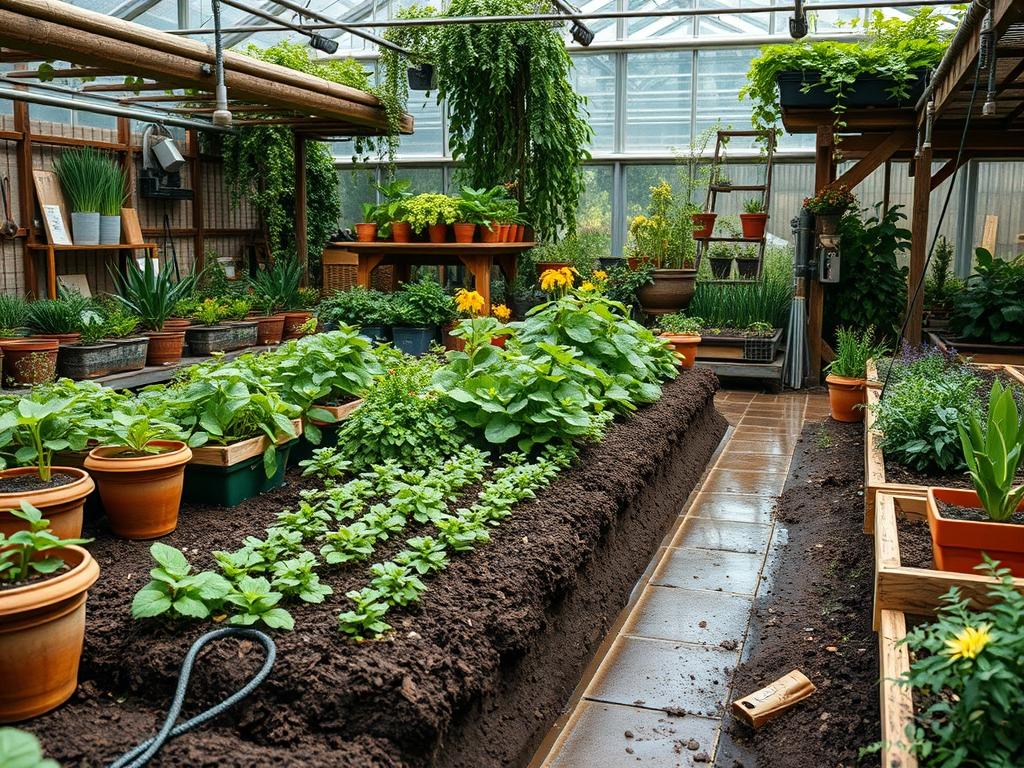
The modern landscape architect views soil not merely as a substrate for plant roots, but as a living, breathing foundation that dictates the success of every structural and aesthetic decision. In regions where soil quality is poor or where traditional irrigation is unsustainable, regenerative techniques such as Hügelkultur offer a sophisticated solution for managing drainage and long term nutrient cycles. This mound cultivation method transforms garden waste into a high performance growing medium, improving curb appeal by adding vertical interest and elevation to otherwise flat site plans. Integrating these mounds into a professional landscape design requires a deep understanding of the Best Soil for Hügelkultur and the biological processes that occur within the mound’s core. By carefully layering carbon rich materials with nitrogenous biomass and high quality topsoil, we create a self sustaining ecosystem that reduces the need for supplemental fertilization and frequent watering.
Functionality in the outdoor environment often hinges on how well a designer captures and utilizes natural resources. Hügelkultur mounds act as subterranean reservoirs; the woody core absorbs moisture during heavy rainfall and releases it slowly as the surrounding soil dries. This process is particularly beneficial in climates with irregular precipitation patterns. From a design perspective, these mounds provide a unique opportunity to define outdoor rooms, create privacy screens, and solve complex grading issues. When a project site suffers from compaction or high clay content, building upward using these organic layers prevents the root rot and anaerobic conditions often found in standard excavated beds. The result is a landscape that grows more fertile over time, providing a lush, vibrant backdrop that enhances the overall property value.
Landscape Design Principles
Successful Hügelkultur integration balances the raw, organic nature of the mound with the refined lines of professional landscape architecture. Symmetry plays a vital role here; while the mounds themselves are organic in shape, they can be framed by geometric walkways or crisp steel edging to provide a sense of intentionality and order. Using focal points is another essential strategy. A well placed evergreen shrub or a large boulder at the terminus of a mound draws the eye through the landscape, creating a sense of depth and movement. We often use the elevation provided by a Hügelkultur bed to highlight specific specimens, essentially turning the garden mound into a pedestal for high value ornamental plants.
Elevation layers are perhaps the most significant design benefit provided by this method. By shifting the planting plane from a horizontal 2D surface to a 3D mound, we increase the available planting area without expanding the footprint of the garden. This verticality also impacts irrigation planning. Water naturally migrates toward the base of the mound due to gravity and capillary action, allowing for the creation of micro climates within a single bed. Moisture loving species thrive at the base, while drought tolerant varieties find their home on the well drained upper slopes. Achieving visual balance requires a transition between these mounds and the surrounding terrain. We often employ flagstone paths or low retaining walls to transition the height of the mound back to the native grade, ensuring the structure feels like a cohesive part of the site’s topography.
Plant and Material Selection
The following table identifies ideal species and materials for use in a Hügelkultur system to ensure optimal health and structural stability.
| Plant Type | Sun Exposure | Soil Needs | Water Demand | Growth Speed | Maintenance |
| :— | :— | :— | :— | :— | :— |
| Purple Coneflower | Full Sun | Well-Drained | Moderate | Fast | Low |
| Switchgrass | Full Sun | Lean/Diverse | Low | Fast | Minimal |
| Highbush Blueberry | Partial Shade | Acidic/Humus | High | Medium | Moderate |
| Creeping Thyme | Full Sun | Gritty/Dry | Low | Medium | Low |
| Hostas | Full Shade | Moisture Rich | High | Medium | Low |
| Serviceberry | Full/Part Sun | Loamy/Deep | Moderate | Medium | Low |
Implementation Strategy
Planning a Hügelkultur layout begins with a thorough site analysis and grading assessment. The first step involves excavating a trench approximately 12 to 24 inches deep, depending on the desired final height of the mound. This excavation serves as the anchor point and helps manage the hydrostatic pressure within the soil. Once the trench is prepared, the base layer is filled with large hardwood logs, such as indigenous oak, maple, or poplar. These materials serve as the primary carbon source and long term water reservoir. It is crucial to avoid wood species that contain natural herbicides, such as black walnut or cedar, which may inhibit the growth of certain desirable plants.
After the large logs are set, the gaps are filled with smaller branches, twigs, and dry leaves. This density is critical; large air pockets can lead to sudden collapses as the material decomposes, potentially damaging the roots of established plants. To balance the high carbon content of the wood, a generous layer of nitrogen rich material is added. This usually includes fresh grass clippings, manure, or kitchen scraps. The “Best Soil for Hügelkultur” then comes into play as the final capping layer. We recommend applying at least 6 to 8 inches of a high quality screened topsoil mixed with finished compost. To finish the project, the entire surface should be dressed with 2 to 3 inches of organic mulch, such as shredded bark or straw, to prevent erosion and regulate surface temperature during the initial establishment phase.
Common Landscaping Failures
One of the most frequent mistakes in Hügelkultur construction is the failure to address surface drainage at the base of the mound. Without a proper exit strategy for excess water, the bottom of the trench can become a boggy, anaerobic zone that kills the beneficial soil fungi responsible for breaking down the logs. Another common error is using wood that is too freshly cut without a sufficient nitrogen buffer. This leads to nitrogen drawdown, where the decomposing bacteria consume all available nitrogen from the soil to break down the carbon, leaving none for the plants. Symptoms of this include yellowing leaves and stunted growth in the first or second season.
Improper spacing and root overcrowding are also significant concerns. Architects must account for the eventual mature size of the selected plants, as the nutrient rich environment of a Hügelkultur bed often causes specimens to grow larger than they would in native soil. Furthermore, neglecting soil compaction during the build process can lead to structural instability. While we want a breathable environment, the intermediate layers must be firmly stepped down or tamped to ensure the “Best Soil for Hügelkultur” cap remains in place. Finally, a lack of consistent irrigation during the first year is a common point of failure. While the mound will eventually be self watering, the internal sponge takes time to prime; the wood must be fully saturated before the water retention benefits begin to manifest.
Seasonal Maintenance
Seasonal management of a Hügelkultur landscape necessitates different priorities throughout the year. In the Spring, the focus is on assessing the settlement of the mound. As the organic material decomposes, the height of the bed will naturally drop. This is the ideal time to top dress the mound with an additional 2 inches of compost to replenish nutrients and restore the desired elevation. Check irrigation lines for leaks and clear away any debris that may have accumulated in the drainage swales at the base of the mounds.
During the Summer, maintenance is primarily focused on moisture monitoring. While established mounds require significantly less water, new beds should be checked weekly. If the top layer of mulch is dry, a deep, slow soak is better than frequent light misting. In Autumn, the goal is to protect the microbial life within the mound. Leave fallen leaves on the surface or add a fresh layer of straw to insulate the soil from freezing temperatures. This is also the time to plant spring flowering bulbs or perennial divisions. Winter maintenance involves monitoring for erosion. If heavy snow or rain begins to wash away bits of the soil cap, use jute netting or additional hardscaping elements like river rock to stabilize the slopes until the spring growing season begins.
Professional Landscaping FAQ
How deep should the logs be buried in a Hügelkultur mound?
Ideally, logs should be placed in a trench 12 to 18 inches deep. This depth anchors the mound and ensures the wood remains in contact with soil moisture, which accelerates the decomposition process and creates a more stable thermal environment.
What is the best soil for Hügelkultur topping?
The best soil for the top layer is a blend of 60% screened topsoil and 40% finished organic compost. This mixture provides the necessary structure for root attachment while offering immediate nutrient availability as the lower wood layers begin to break down.
How do I prevent the mound from looking messy in a formal garden?
To maintain a professional aesthetic, define the base of the mound with hardscaping such as stacked stone or treated timber. Using uniform mulch and planting in organized drifts rather than scattered patterns also creates a more intentional, polished appearance.
Does Hügelkultur attract pests like termites or carpenter ants?
While decomposing wood does attract insects, they are generally focused on the rotting logs rather than a nearby home. Keeping the mound at least 10 feet away from wooden structures and using beneficial nematodes can help manage any unwanted pest populations.
How long does a Hügelkultur mound last?
A well constructed mound can provide nutritional benefits and moisture retention for 10 to 20 years. The lifespan depends on the type of wood used; hardwoods like oak last much longer than softwoods like pine or birch.