
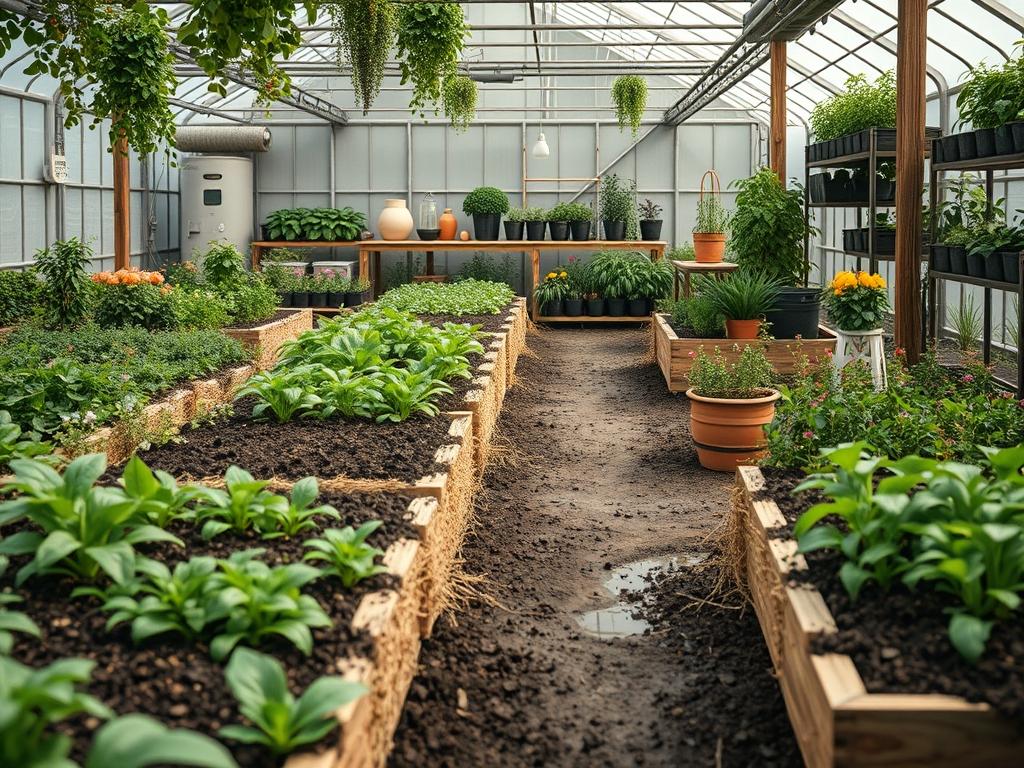
Successful landscape architecture often requires solving the fundamental problem of poor native soil quality without the heavy cost of extensive excavation or importing tons of topsoil. Straw bale gardening soil offers a temporary, high performance alternative for the residential environment; it provides immediate elevation, superior drainage, and a nutrient rich growing medium within a single season. The process utilizes agricultural byproducts to create a localized growing environment that bypasses the limitations of heavy clay or sandy substrate. For the outdoor environment consultant, this method isn’t just about growing vegetables. It represents a functional design strategy that enhances backyard utility while contributing to a structured, clean aesthetic. By elevating the planting bed, we create a more accessible garden space that serves as a focal point in the overall site plan, improving curb appeal through modularity and intentional organization.
Effective garden planning must account for the microclimate and the intended outdoor functionality. Whether the goal is to produce a high yield kitchen garden or to create a seasonal floral display, the preparation of the straw bale gardening soil is the most critical phase. This process, often referred to as conditioning, transforms the interior of a straw bale into a biological engine. When handled correctly, the bale maintains its structural integrity as a solid border while the internal fibers break down into a dark, crumbly material that mimics the most fertile compost. This approach allows a landscape to remain flexible, as the bales can be rearranged or fully integrated into the existing soil as mulch at the end of the year, preventing the long term commitment of permanent raised beds made of pressure treated wood or masonry.
Landscape Design Principles
When integrating straw bale gardening soil into a professional landscape, symmetry and visual balance are paramount. Rather than scattered bales, they should be arranged in geometric patterns, such as U-shaped configurations or parallel rows, to mimic the appearance of formal parterre gardens. This modularity allows for the creation of distinct “outdoor rooms” within a property. Using the bales as an elevation layer creates vertical interest; a flat yard suddenly gains depth and dimension. This verticality is particularly useful for seniors or those with limited mobility, as it provides a waist high gardening surface that eliminates the need for kneeling.
Focal points can be established by placing taller structures, such as cattle panels or bamboo teepees, directly into the bales. This creates a vertical green wall that serves as a privacy screen or a backdrop for other landscape features. Irrigation planning must be centralized; the high porosity of straw bale gardening soil requires a dedicated drip irrigation system to ensure moisture reaches the center of the bale without eroding the sides. Walkways between the bales should be clearly defined with landscape fabric and topped with cedar mulch or decomposed granite. This not only prevents weed growth but also establishes a professional, finished look that contrasts with the rustic texture of the straw.
Plant and Material Selection
| Plant Type | Sun Exposure | Soil Needs | Water Demand | Growth Speed | Maintenance Level |
| :— | :— | :— | :— | :— | :— |
| Indeterminate Tomato | Full Sun | High Nitrogen | High | Rapid | High |
| English Cucumber | Full Sun | Rapid Drainage | High | Rapid | Medium |
| Sweet Bell Pepper | Full Sun | Phosphorus Rich | Moderate | Moderate | Medium |
| Bush Beans | Partial Sun | Neutral pH | Moderate | Moderate | Low |
| Zucchini Squash | Full Sun | Deep Nutrient Bed | High | Very Rapid | Medium |
| Marigolds | Full Sun | Basic Compost | Low | Moderate | Low |
Implementation Strategy
The preparation of straw bale gardening soil begins with the selection of tight, high quality wheat or oat straw bales. Avoid hay, as it contains viable seeds that will create a weed nightmare within your landscape installation. Begin the conditioning process at least two weeks before the targeted planting date. Place the bales on the ground with the cut side up and the bailing twine running horizontally along the sides. This orientation allows the nitrogen and water to penetrate deep into the center of the bale. The first step involves a heavy application of high nitrogen fertilizer, such as a 21-0-0 ammonium sulfate or an organic blood meal. Apply approximately 0.5 cups per bale every other day for the first week, followed by deep watering.
During the second week, reduce the nitrogen application by half and begin adding a balanced fertilizer that includes phosphorus and potassium. This encourages the microbial activity needed to create the internal heat required for the straw to decompose into straw bale gardening soil. Use a long stem compost thermometer to monitor the internal temperature; the bale will often reach 140 degrees Fahrenheit during the peak of the chemical reaction. You must wait for the temperature to drop below 100 degrees Fahrenheit before planting. Once the bale is cool to the touch inside, use a hand trowel to create small pockets. Fill these pockets with a high quality potting mix or aged compost to provide a starter base for your seedlings. For larger landscape projects, ensure the grading around the bales allows for adequate runoff to prevent water from pooling at the base, which can lead to premature structural collapse.
Common Landscaping Failures
One of the most frequent drainage mistakes occurs when the bales are placed directly on heavy, non porous clay without a layer of coarse gravel or landscape fabric underneath. This creates a “bathtub effect” where the bottom of the bale remains anaerobic, leading to root rot and foul odors. Soil compaction within the bale is rarely an issue, but the drying out of the medium is. If the internal core of the straw bale gardening soil becomes hydrophobic, the water will simply sheet off the sides, leaving the roots parched despite frequent irrigation. This is why a soaker hose is superior to overhead watering; it delivers moisture directly to the center where it is most needed.
Root overcrowding is another common error. While it is tempting to pack several plants into a single bale for a lush look, the competition for nutrients is fierce in such a limited space. Limit each bale to two tomato plants or three pepper plants. Improper spacing also impacts air circulation; if the bales are placed too close together, powdery mildew and other fungal pathogens can thrive in the stagnant air. Finally, neglecting the structural integrity of the twine can lead to the bale “slumping” midway through the season. Using heavy duty galvanized wire to reinforce the bale’s perimeter is a professional tactic to maintain crisp edges throughout the growing cycle.
Seasonal Maintenance
Spring maintenance focuses entirely on the conditioning cycle and the installation of the irrigation grid. This is the busiest time for the landscape manager, as the timing of the nitrogen cycle must align perfectly with the local frost free date. As we transition into summer, the focus shifts to moisture management and nutrient supplementation. Because straw bale gardening soil is a “soilless” medium, it does not hold nutrients as efficiently as mineral soil. A weekly application of a water soluble 20-20-20 fertilizer or liquid seaweed extract is necessary to maintain the rapid growth rates desired in a professional installation.
In the autumn, the bales will begin to sag and lose their rectangular form. This is the ideal time to harvest the remaining crops and transition the site for winter. The decomposed straw can be spread across traditional garden beds as a high quality mulch or tilled into the ground to improve organic matter levels. Winter landscape management involves clearing the site and assessing the drainage performance. If the area remained excessively wet during the fall, consider adjusting the grading or adding a French drain before the next season’s bales are delivered. This cyclic approach ensures the ground is constantly improving while providing a productive and aesthetically pleasing landscape every year.
Professional Landscaping FAQ
What is the best type of straw for landscaping?
Select clean wheat, oat, or rye straw. Avoid hay at all costs because it contains seeds that produce invasive grasses. Ensure the bales are tightly bound with synthetic twine to prevent early decomposition of the binding material during the summer months.
How often should I water my straw bale garden?
During high summer, these systems require daily irrigation. Because straw is highly porous, it loses moisture faster than traditional soil. Use a drip system set for 20 minutes every morning to ensure the core of the bale remains consistently damp.
Can I reuse the bales for a second year?
Typically, the straw bale gardening soil loses its structural integrity after one full growing season. The material becomes too soft to support heavy plants. It is professionally recommended to recycle the decomposed straw as mulch and start with fresh bales annually.
Is high nitrogen fertilizer necessary during the prep?
Yes, nitrogen is the catalyst for decomposition. Without a concentrated nitrogen source like urea or blood meal, the bacteria will not break down the straw quickly enough to create a viable growing medium for your spring planting schedule.
How do I prevent the bales from looking messy?
Maintain a professional aesthetic by framing the bales with pressure treated 2x4s or placing them behind a low stone retaining wall. Keeping the surrounding walkways clear with dark bark mulch creates a sharp contrast that makes the installation look intentional.