
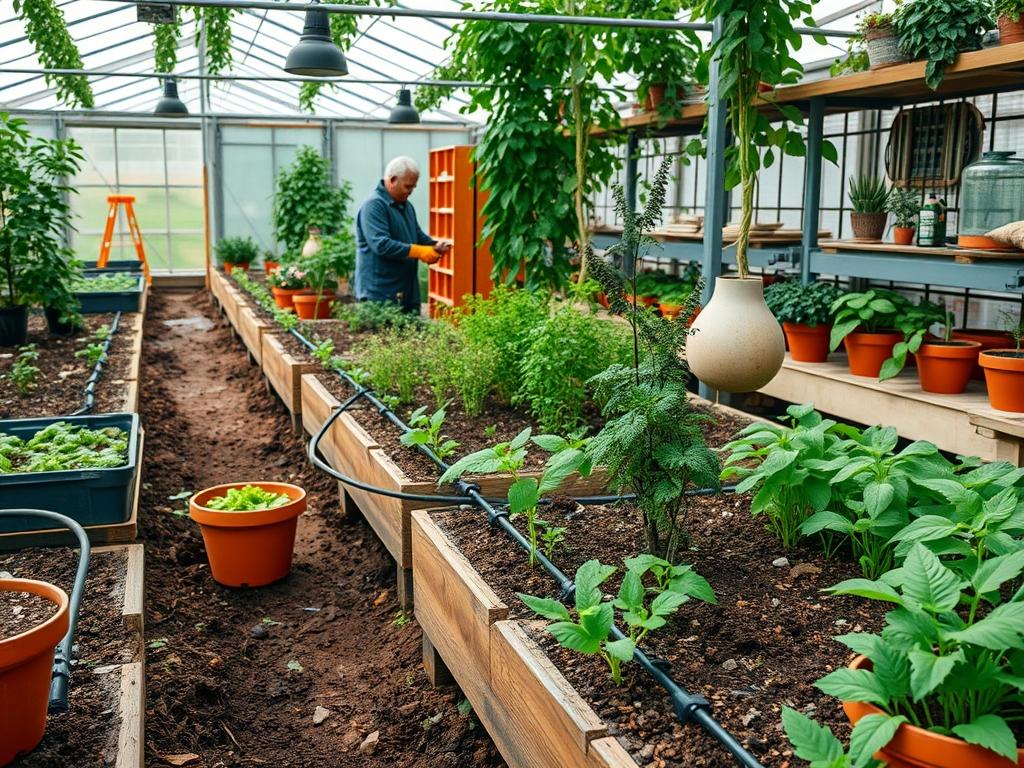
Developing a functional herb spiral is one of the most rewarding challenges for a landscape architect, as it combines geometric precision with biological complexity. These structures serve as more than just garden beds; they are sculptural elements that provide vertical interest and maximize edible yields within a limited footprint. In diverse climates, the herb spiral offers a unique solution to the problem of varying water and sunlight needs among different species. By elevating the planting surface, we create distinct microclimates that allow Mediterranean herbs to thrive just inches away from moisture loving leafy greens. This architectural approach enhances curb appeal by replacing flat, utilitarian rows with a dynamic, three dimensional focal point that draws the eye and encourages interaction. The effectiveness of this design hinges entirely on selecting the Best Soil for Herb Spirals to ensure long term structural integrity and plant health.
Landscape Design Principles
A successful herb spiral relies on the interplay of symmetry and elevation to achieve visual balance. From a design perspective, the spiral should ideally measure approximately 5 feet to 6 feet in diameter to allow for easy access to the center without overstretching. The elevation layers typically rise to a peak of about 3 feet, creating a gradient of drainage and heat retention. This verticality is essential for managing the transition between different environmental zones. At the apex, where sun exposure is most intense and drainage is rapid, we place drought tolerant species. As the spiral winds downward, the soil moisture increases, eventually terminating in a damp zone or even a small pond at the base.
Irrigation planning must account for the natural flow of gravity. Unlike flat beds where water penetrates vertically, water in a spiral moves both downward and outward along the path of the masonry or timber walls. Proper walkways should be integrated around the perimeter using crushed gravel or flagstone to prevent soil compaction and ensure the garden remains accessible in all weather conditions. The focal point is naturally the highest peak of the spiral, which should be aligned to catch the midday sun, typically facing south in the northern hemisphere. By using natural fieldstone or retaining wall blocks for the structure, we can create thermal mass that absorbs heat during the day and releases it at night, further stabilizing the microclimate for sensitive herbs.
Plant and Material Selection
Selecting the right materials and plants is the next step toward a professional finish. The following table provides a breakdown of common choices for different elevations within the spiral structure.
| Plant Type | Sun Exposure | Soil Needs | Water Demand | Growth Speed | Maintenance Level |
| :— | :— | :— | :— | :— | :— |
| Rosemary | Full Sun | Sandy Loam | Low | Moderate | Low |
| Thyme | Full Sun | Gravelly Mix | Low | Fast | Medium |
| Sage | Full Sun | Well-Drained | Low | Moderate | Low |
| Basil | Partial Sun | Rich Compost | Moderate | Fast | High |
| Coriander | Partial Sun | Loamy Mix | Moderate | Fast | Medium |
| Parsley | Full/Partial | Moist Humus | High | Moderate | Low |
| Chives | Partial Shade | Clay Loam | High | Fast | Low |
| Mint | Partial Shade | Heavy Peat | Very High | Aggressive | High |
Implementation Strategy
The implementation of a herb spiral begins with site preparation and grading. Start by marking a circle with a measuring tape and a wooden stake to define the outer boundary. Remove any existing turf or weeds and level the ground using a hard rake. To ensure proper drainage, a foundation layer of coarse gravel or crushed rock about 4 inches deep should be laid at the base of the structure. This prevents the rising walls from shifting due to frost heave or soil settling.
When building the walls, use heavy stones or retaining blocks at the base for stability, tapering the width as you move upward. As you construct the spiral, you must fill the interior layers simultaneously. The Best Soil for Herb Spirals is actually a custom tiered mix rather than a single product. For the bottom foot, utilize a moisture retentive blend of topsoil and well rotted manure. For the middle section, a standard potting soil supplemented with compost works best. The top tier requires a very free draining mix of sandy loam and perlite to mimic the rocky hillsides preferred by Mediterranean herbs like Lavender.
Edging should be crisp and integrated with the surrounding hardscaping. Use a trowel to pack soil tightly against the inner walls to prevent voids. Apply a 2 inch layer of shredded cedar mulch or pine bark to the middle and lower sections to help retain moisture. The top section, however, may benefit from a pea gravel mulch, which reflects heat upward and prevents crown rot in drought tolerant species. If including a small water feature at the base, install a heavy duty pond liner before the final wrap of the spiral path reaches the ground level.
Common Landscaping Failures
One of the most frequent errors in herb spiral construction is poor drainage at the base. Without a significant drainage layer of river rock, the bottom section can become anaerobic and stagnant, leading to root rot in otherwise healthy plants. Another failure involves soil compaction; using heavy clay based soils throughout the entire structure will impede water movement and suffocate root systems. Professional designers avoid this by incorporating expanded shale or vermiculite to maintain porosity.
Improper spacing is another common pitfall. Many gardeners plant Mint or Lemon Balm directly in the spiral without containment. Because these species are aggressive, they can quickly overtake the entire structure. It is better to sink a 5 gallon bucket or a specialized root barrier into the soil to keep these plants confined. Additionally, failing to account for irrigation inefficiencies can be detrimental. Since the top dries out much faster than the bottom, a single irrigation zone may result in the top being too dry or the bottom being flooded. Adjust your watering strategy by hand watering the top tiers or using a drip irrigation system with varying flow emitters.
Seasonal Maintenance
Seasonal management ensures the herb spiral remains a vibrant focal point year round. In the spring, begin by removing any winter debris and checking the structural integrity of the walls. If stones have shifted due to freeze thaw cycles, use a rubber mallet to reposition them. This is the time to refresh the top 2 inches of soil with organic compost and prune back any woody herbs like Sage or Rosemary to encourage new growth.
During the summer, the primary task is moisture management. The top of the spiral will likely need water every day during heatwaves. Use a moisture meter to check the different zones periodically. Regularly harvest herbs to prevent them from flowering and going to seed, which often reduces the flavor profile of the foliage. In autumn, clear out annuals like Basil or Coriander and replace them with cool season greens. Mulch heavily in late autumn to protect the root zones from extreme cold. For winter, sensitive perennial herbs may require a wrap of burlap or a protective layer of straw to survive harsh winds and subzero temperatures.
Professional Landscaping FAQ
What is the best soil for herb spirals at the highest point?
The highest point requires a very well drained mix, typically consisting of 50 percent sandy loam, 25 percent perlite, and 25 percent compost. This mimics a Mediterranean environment where drainage is rapid and heat is high.
How do I prevent the soil from washing out of the stone walls?
Line the interior of the stone walls with landscape fabric or a thin layer of moss before backfilling. This allows water to weep through the cracks while keeping the fine soil particles contained within the spiral structure.
Can I build a herb spiral on a concrete patio?
Yes, but you must ensure the base can drain. Use a heavy duty liner and a 6 inch layer of drainage gravel at the bottom. Ensure the water has a designated exit point to avoid staining the surrounding concrete.
How many plants can I fit in a standard 5 foot spiral?
A 5 foot diameter spiral typically accommodates 15 to 20 different herb plants. Spacing depends on the mature size of the species, so ensure you leave 8 to 12 inches between each plant to prevent overcrowding.
Do I need to use mortar for the stone walls?
Dry stacking is generally preferred for its natural look and superior drainage. Without mortar, the structure can breathe and move slightly with the earth, which prevents the cracking often seen in rigid concrete and mortar structures over time.