
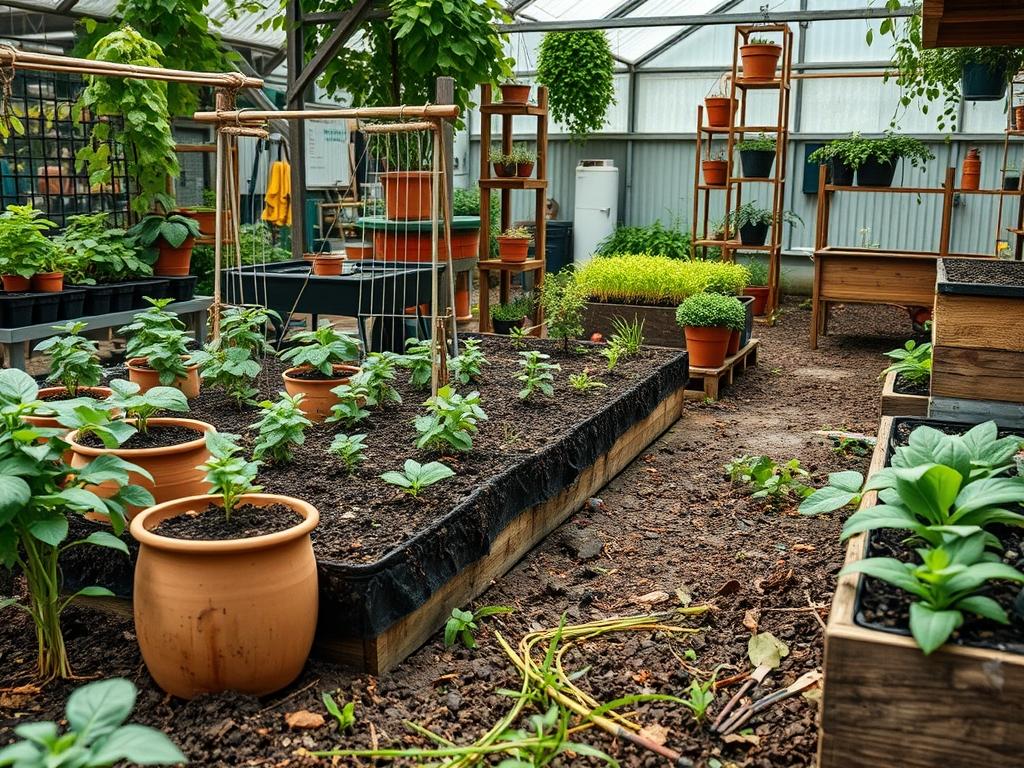
Mastering the art of miniature landscaping requires a fundamental shift in how we perceive soil science and environmental management. Unlike a standard backyard project where a few inches of erosion might go unnoticed, a miniature garden represents a closed or highly controlled ecosystem where every grain of sediment impacts the overall aesthetic and health of the design. This discipline, often referred to as micro-landscaping, demands a rigorous approach to Miniature Garden Soil Care to ensure that the scale remains consistent and the plants remain healthy. The challenge lies in creating a sense of grandeur within a space that may only span a few square feet. We must consider climate factors such as rapid evaporation and the lack of thermal mass, which can stress delicate root systems far more quickly than in traditional garden beds. Successful miniature environments enhance curb appeal by offering intricate, high-value focal points that draw the eye, serving as functional outdoor art that mimics the complexity of a full-scale estate.
Landscape Design Principles
In the realm of miniature garden planning, we apply the same professional principles used in sprawling parklands but with much higher precision. Symmetry and visual balance are achieved through the strategic placement of Dwarf Conifers and Micro-groundcovers. A central focal point, perhaps a small Basalt Column or a tiny Arbor, provides a sense of purpose to the arrangement. Elevation layers are critical; by utilizing small-scale Retaining Walls built from Slate Shims or Pebbles, we create a sense of depth that tricks the eye into seeing a larger landscape.
Irrigation planning must be invisible yet effective. In micro-landscaping, we often use hidden 1/4-inch Drip Lines or specialized misting systems to prevent the soil displacement caused by heavy watering. Walkways composed of Fine Crushed Granite or Sand should follow the natural contours of your miniature grading, guiding the viewer’s gaze through the composition. Proper drainage is the silent foundation of this design. Every layer, from the Drainage Fabric at the base to the Topical Mulch, must allow for efficient water movement to prevent the stagnation that leads to root rot.
Plant and Material Selection
The following table outlines high-performance selections for miniature environments. Each choice reflects a balance between aesthetic value and management requirements.
| Plant Type | Sun Exposure | Soil Needs | Water Demand | Growth Speed | Maintenance Level |
| :— | :— | :— | :— | :— | :— |
| Dwarf Alberta Spruce | Full Sun | Well-draining Loam | Moderate | Very Slow | Low |
| Elfin Thyme | Full Sun | Gritty/Sandy | Low | Medium | Moderate |
| Miniature Juniper | Full Sun to Part Shade | Acidic/Rocky | Low | Slow | Low |
| Baby Tears | Shade | Moist/Organic | High | Fast | High |
| Scotch Moss | Part Shade | Fertile/Moist | Moderate | Medium | Moderate |
| Blue Star Creeper | Full Sun to Part Shade | Standard Potting Mix | Moderate | Fast | Moderate |
Implementation Strategy
The process begins with professional-grade grading. Using a small Trowel and Level, you must shape the terrain to ensure water flows away from structures and towards designated drainage zones. Start by laying a 1-inch base of Coarse Gravel or Lava Rock to facilitate aeration. Cover this with a high-quality Geotextile Fabric to prevent the fine soil particles from washing down into the drainage layer, which would eventually lead to compaction.
When building your soil profile, avoid standard garden dirt. Instead, blend a custom mix of Peat Moss, Perlite, and Fine Pine Bark. This combination ensures high porosity and moisture retention without the weight of clay-heavy soils. As you install your hardscaping, bury the base of your Retaining Walls at least 0.5 inches deep to provide structural stability against soil expansion. For edging, use Flexible Metal Edging or River Stones to create crisp transitions between “lawns” and “garden beds.” Finally, apply a 0.25-inch layer of Fine Bark Mulch or Crushed Stone to regulate soil temperature and prevent weed germination, ensuring the mulch does not touch the stems of your miniature trees.
Common Landscaping Failures
The most frequent error in miniature garden management is poor drainage design. Without a clear exit path for excess water, the soil becomes anaerobic, characterized by a sour smell and yellowing leaves on your Dwarf Shrubs. Another significant issue is root overcrowding. Because the containers or small plots are limited, plants like English Ivy can quickly overwhelm the space, strangling the roots of slower-growing species. Professionals often use Root Barriers or periodic root pruning to maintain the desired scale.
Soil compaction is another silent killer. Frequent watering and the weight of decorative ornaments can squeeze the air out of the soil, making it impossible for roots to breathe. This is why incorporating Coarse Sand or Pumice is non-negotiable for longevity. Irrigation inefficiencies also plague these gardens; the small soil volume means it can swing from bone-dry to waterlogged in hours. Over-fertilization is equally dangerous; using high-nitrogen agricultural fertilizers can cause a growth spurt that ruins the miniature scale and burns the sensitive foliage of Dwarf Ferns.
Seasonal Maintenance
Spring is the season for structural adjustment and rejuvenation. Begin by testing the soil pH and adding a Slow-Release Granular Fertilizer with a balanced NPK ratio such as 10-10-10. This provides steady nutrients as the plants wake from dormancy. Check your Irrigation Emitters for clogs and refresh the Mulch to a depth of 0.5 inches where it has thinned over the winter. This is also the time for precision pruning using Bonsai Shears to maintain the desired canopy shape of your miniature trees.
In summer, the focus shifts to moisture management. High temperatures can bake the soil in small containers. Monitor your Hygrometer readings daily; you may need to increase watering frequency to twice a day during heatwaves. Autumn requires a transition to protection. Remove fallen leaves that can trap excess moisture and encourage fungal growth. Thin out fast-growing groundcovers like Irish Moss to ensure they do not smother the crowns of your primary focal plants. As winter approaches, insulation is key. In colder climates, bury the entire miniature container in a larger bed or wrap it in Burlap to protect the root balls from the freeze-thaw cycle, which can crack both pots and delicate plant vascular systems.
Professional Landscaping FAQ
How often should I fertilize individual miniature plants?
Use a diluted, liquid Seaweed Extract or a Timed-Release Fertilizer every six weeks during the growing season. This prevents nutrient leaching and maintains the small scale of the plants without causing excessive, leggy growth that ruins the aesthetic.
What is the best way to prevent soil erosion on miniature slopes?
Utilize Micro-Retaining Walls and dense groundcovers like Herniaria Glabra. The root systems of these plants act as a natural mesh, holding the Potting Mix in place during heavy rain or manual irrigation sessions.
Can I use regular garden soil in my miniature landscape?
Standard garden soil is too heavy and often contains pathogens or weed seeds. It lacks the necessary aeration for small-scale containers. Use a professional Soilless Mix containing Coconut Coir and Vermiculite for superior results.
How do I manage pests without damaging the delicate ecosystem?
Apply Neem Oil or Insecticidal Soap at half-strength. Because miniature gardens have a smaller leaf surface area, pests like Spider Mites can cause total defoliation quickly. Regular inspections and manual removal are the safest professional methods.
Why are my miniature evergreens turning brown at the tips?
This is usually a sign of salt buildup from hard water or over-fertilization. Flush the soil with Distilled Water to leach out excess minerals. Ensure your Drainage Holes are clear to allow these salts to exit the root zone.