
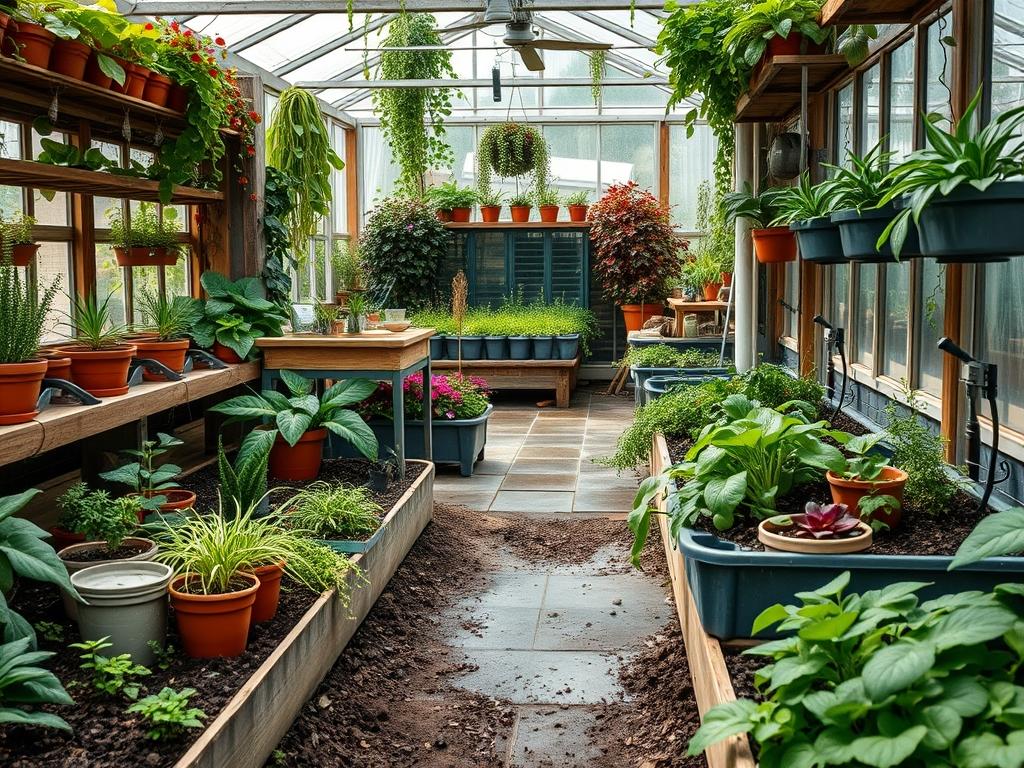
Window boxes represent a sophisticated bridge between architectural structure and living landscape design. Often overlooked as simple containers, these elevated garden beds act as critical focal points that define a home’s curb appeal and soften the transition from hardscaping to the natural environment. To achieve a professional aesthetic that mirrors the quality of a ground-level perennial border, one must understand the unique microclimatic challenges these boxes face. Unlike traditional garden beds, window boxes are subject to extreme temperature fluctuations and rapid moisture loss due to their exposed position. Selecting the Best Soil for Window Boxes is not merely a task of convenience; it is a fundamental engineering requirement for moisture retention, structural stability, and nutrient availability. A well-planned window box extends the primary landscape design upward, creating vertical interest and allowing homeowners to integrate greenery into spaces where traditional planting is physically impossible.
Landscape Design Principles
Successful window box integration relies on the same foundational principles used in large-scale garden planning. Symmetry is the most common approach for traditional facades, where identical boxes on either side of an entry create a balanced, formal appearance. For more contemporary structures, asymmetrical arrangements can provide a dynamic visual rhythm. Designers often utilize the concept of elevation layers within the box itself, employing a strategy known as the thriller, filler, spiller method. The thriller provides height and a strong focal point, the filler adds mass and texture to the midsection, and the spiller cascades over the edges to soften the hard lines of the container and the building’s siding.
Irrigation planning must also be considered during the design phase. A professional landscape consultant will often integrate a discreet drip irrigation system into the home’s primary water line to ensure consistent hydration. Without automated systems, the small volume of soil in a window box can dehydrate in hours during peak summer heat. Furthermore, the visual balance must account for the scale of the window. A box that is too small or too shallow appears insignificant against the mass of the house, while a properly scaled box should span at least the width of the window frame and offer enough depth for healthy root development.
Plant and Material Selection
The following table outlines high-performance species suitable for window box environments. When selecting these plants, consider the chemical and physical properties of the potting medium to ensure it supports the specific physiological needs of each variety.
| Plant Type | Sun Exposure | Soil Needs | Water Demand | Growth Speed | Maintenance Level |
| :— | :— | :— | :— | :— | :— |
| Zonal Geraniums | Full Sun | High Porosity | Moderate | Medium | Low |
| Sweet Potato Vine | Full/Partial | Nutrient Rich | High | Rapid | Moderate |
| English Ivy | Shade/Partial | Loamy Humus | Moderate | Medium | Low |
| Petunias | Full Sun | Light/Airy | High | Fast | High |
| Dwarf Boxwood | Full/Partial | Balanced pH | Moderate | Slow | Low |
| Calibrachoa | Full Sun | Well-Draining | High | Fast | Moderate |
| Heuchera | Shade/Partial | Organic Matter | Moderate | Medium | Low |
Implementation Strategy
Implementing a professional-grade window box installation begins with assessing the structural integrity of the mounting surface. Heavy-duty steel brackets or pressure-treated wood cleats must be secured directly into the wall studs to support the weight of wet soil. Once the box is mounted, ensure that drainage is the primary focus. A layer of landscape fabric placed over the drainage holes prevents the Best Soil for Window Boxes from washing away while allowing excess water to escape freely.
Unlike ground landscaping, where you might manage grading of the terrain, window box preparation involves creating a stratified internal environment. Start by checking the level of the box to ensure water does not pool at one end, which can cause root rot. Instead of using heavy topsoil from the backyard, utilize a professional-grade potting mix composed of peat moss, perlite, and vermiculite. This blend ensures the mix remains lightweight and well-aerated. Incorporate a slow-release fertilizer and water-retaining crystals into the top 6 inches of the medium to provide long-term nourishment and moisture stability. Finally, finish the installation with a thin layer of fine-textured mulch or decorative moss to reduce evaporation and provide a polished, professional look.
Common Landscaping Failures
The most frequent error in elevated container gardening is the use of native garden soil. Standard ground soil is too dense for container use; it contains clay particles that compact over time, effectively suffocating the root systems and preventing drainage. This soil compaction creates an anaerobic environment that leads to fungal pathogens and stunted growth. Another common failure is improper spacing. In an attempt to achieve instant curb appeal, many installers overcrowd the plants. While this looks full on the first day, it leads to rapid nutrient depletion and competition for light, causing the plants to become leggy and sparse by midsummer.
Irrigation inefficiencies also rank high among common failures. Hand-watering often only saturates the top inch of the soil, leaving the lower root zone bone-dry. Conversely, boxes without adequate drainage holes act as basins, drowning the plants after heavy rainfall. Overlooking the thermal mass of the container material is another pitfall. Metal boxes can heat up significantly in direct sun, literally cooking the roots of sensitive species. Choosing insulated liners or wooden boxes can mitigate these temperature spikes and protect the delicate root hairs from heat stress.
Seasonal Maintenance
Seasonal transitions require proactive management to keep window boxes looking pristine throughout the year. In the spring, remove the top 3 inches of old soil and replace it with fresh, organic-rich potting medium to replenish lost nutrients. This is also the time to inspect the mounting hardware for any signs of rust or loosening caused by winter freeze-thaw cycles. As summer arrives, daily monitoring of soil moisture becomes mandatory. High-performance annuals may require liquid fertilization every two weeks to maintain their vigorous blooming cycles.
Transitioning to autumn involves replacing heat-exhausted summer annuals with cold-hardy varieties like Chrysanthemums, Ornamental Cabbage, or Pansies. These species thrive in cooler temperatures and provide late-season color as the rest of the landscape enters dormancy. During the winter, window boxes do not have to remain empty. Remove the dead plant material and use the remaining soil as a base for evergreen boughs, birch branches, and winterberries. In colder climates, if the box is left planted with perennials or shrubs, it may require insulation such as burlap wrapping to prevent the root ball from freezing solid and desiccating in the winter wind.
Professional Landscaping FAQ
Why can I not use soil from my garden in a window box?
Garden soil is too heavy and contains pathogens and weed seeds. It compacts in containers, preventing oxygen from reaching the roots. The Best Soil for Window Boxes is a lightweight, sterile potting mix designed for drainage.
How often should I fertilize my window box plants?
Because nutrients leach out quickly due to frequent watering, use a slow-release granular fertilizer at planting. Supplement this with a water-soluble balanced fertilizer every 14 days during the peak growing season to maintain vibrant foliage and blooms.
How do I prevent my window box from rotting?
Ensure you use rot-resistant materials like cedar, redwood, or PVC. Use a plastic liner inside wooden boxes to prevent direct contact between the damp soil and the wood, and ensure there are plenty of unobstructed drainage holes.
What is the best way to ensure even watering?
Installing a dedicated drip irrigation line with micro-emitters is the professional standard. If hand-watering, apply water slowly until it runs out of the bottom drainage holes, ensuring the entire soil column is fully saturated rather than just the surface.
Can I grow native plants in a window box?
Yes, many smaller native species and grasses adapt well. However, they still require the Best Soil for Window Boxes rather than native ground soil to thrive in the restricted, aerated environment of an elevated container.