
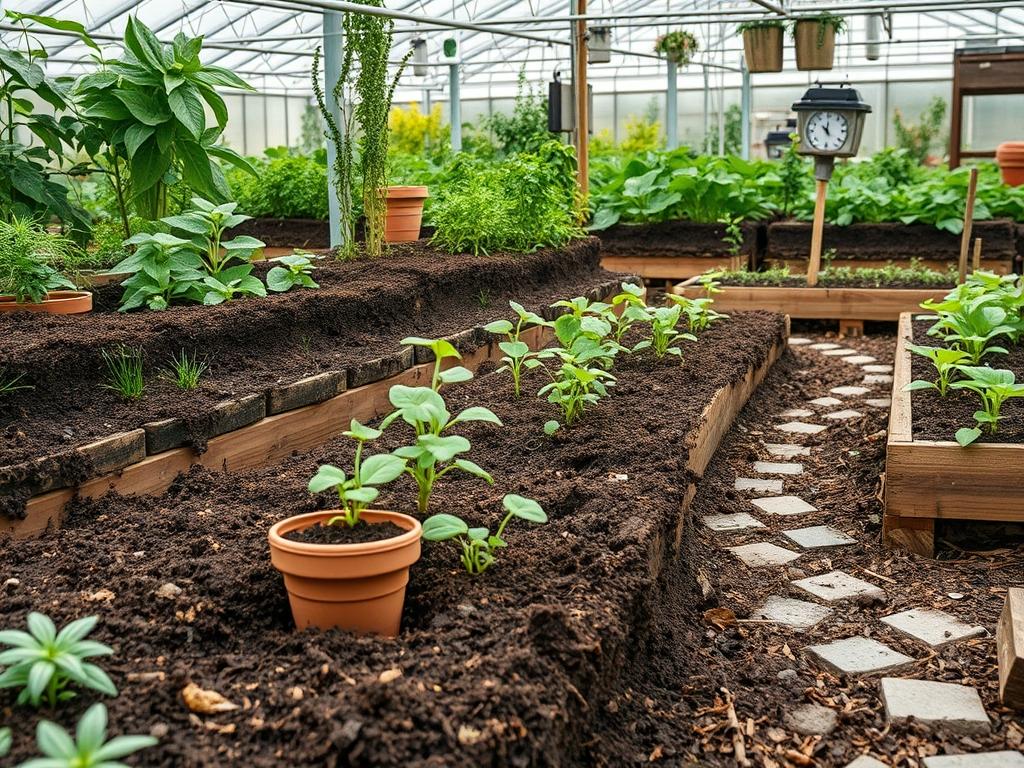
Designing a miniature landscape within the confines of a container requires the same rigorous attention to detail as any full scale residential project. As landscape architects, we view the container not merely as a pot, but as a micro-ecosystem where the balance of moisture, aeration, and nutrients determines the long term viability of the design. The aesthetic success of a miniature garden depends on the health of its flora, which serves as the living backbone of the composition. When selecting the Best Soil for Fairy Gardens, one must look beyond standard retail potting mixes to find a medium that supports high density planting in restricted volumes. This task involves managing moisture levels to prevent root rot while ensuring that delicate plant species receive consistent hydration. A well executed container garden enhances curb appeal by providing a focal point of intricate beauty, effectively extending the outdoor living space into porches, patios, or interior sunrooms.
Success in these small scale environments begins with a deep understanding of soil physics and drainage. Unlike a traditional backyard garden where roots can roam freely to seek out moisture, a fairy garden is trapped within a defined perimeter. This isolation creates a unique set of challenges, particularly regarding soil compaction and salt buildup from fertilizers. To achieve a professional result, the landscape consultant must prioritize a substrate that offers structural integrity over time. A mixture that collapses and loses its porosity within a single season will lead to stagnant water and anaerobic conditions. Therefore, the architectural integrity of the landscape depends on a high quality, well draining medium that mimics the natural stratification of larger garden beds.
Landscape Design Principles for Miniature Environments
The application of fundamental landscape design principles is essential for creating a sense of realism in a miniature garden. Symmetry and focal points are particularly important when working with limited space. A primary focal point, such as a miniature ceramic cottage or a sculpted resin archway, establishes the scale for the rest of the installation. By placing this element according to the rule of thirds, rather than dead center, the designer creates a more dynamic and engaging visual flow. Balance is achieved by mirroring plant textures or colors across a central axis, although asymmetrical balance often feels more organic and inviting in a whimsical fairy garden setting.
Elevation layers are perhaps the most vital tool in the miniature designer’s kit. Rather than filling the container to a flat, uniform level, the soil should be graded to create mounds, slopes, and low lying valleys. Use a small hand trowel to build an elevated plateau in the rear of the container, which adds depth and allows for the placement of taller specimen plants like Dwarf Alberta Spruce. Lower areas can feature “lawns” created from creeping groundcovers, while carved paths made of fine aquarium gravel or sand connect the disparate levels. This variation in elevation not only improves the visual interest but also creates different micro-drainage zones within the pot, accommodating plants with slightly different water needs.
Walkways and hardscaping elements serve as the connective tissue of the landscape. In a fairy garden, these should be scaled appropriately to the focal points. Using flat river stones or miniature slate tiles, the designer can create paths that guide the eye through the composition. These elements also function as placeholders, preventing soil erosion during heavy misting or watering. Irrigation planning must be considered during the initial design phase. For professional grade installations, we recommend a micro-mist irrigation system or a long necked watering can to deliver moisture precisely at the root zone without displacing the delicate mulch or decorative accessories.
Plant and Material Selection
| Plant Type | Sun Exposure | Soil Needs | Water Demand | Growth Speed | Maintenance Level |
| :— | :— | :— | :— | :— | :— |
| Irish Moss (Sagina subulata) | Full Sun to Partial Shade | Sandy, Well-Draining | Moderate | Medium | Low |
| Baby Tears (Soleirolia soleirolii) | Partial to Full Shade | Rich, Organic Mix | High | Fast | Moderate |
| Miniature Juniper (Juniperus procumbens) | Full Sun | Gritty, Inorganic Mix | Low | Slow | Low |
| Woolly Thyme (Thymus pseudolanuginosus) | Full Sun | Lean, Alkaline Soil | Low | Medium | Low |
| Selaginella (Spike Moss) | Full Shade | High Humus Content | High | Medium | High |
| Dwarf Mondo Grass (Ophiopogon japonicus) | Partial Shade | Loamy, Moist | Moderate | Slow | Low |
Implementation Strategy for Container Layouts
The implementation of a fairy garden begins with preparing the vessel. Ensure the container has at least one drainage hole measuring 0.5 inches in diameter to prevent water from pooling at the base. Start by Placing a 0.5 inch layer of pea gravel or LECA (Lightweight Expanded Clay Aggregate) at the bottom. This reservoir layer acts as a safety buffer against overwatering. Over this, place a piece of landscape fabric or window screen to prevent the fine soil particles from washing down into the gravel and clogging the drainage system.
When adding the Best Soil for Fairy Gardens, use a blend of 2 parts high-quality potting soil, 1 part perlite, and 1 part coconut coir. This combination provides an ideal balance of aeration and water retention. Fill the container to within 1 inch of the rim to leave space for mulch and watering. Begin planting with your largest specimens first, usually your “trees” or structural shrubs. Dig a hole twice the width of the root ball and backfill gently to avoid crushing the delicate roots. Once the primary plants are in place, install your hardscaping, such as stone retaining walls or paths, before filling in the gaps with smaller groundcovers and mosses.
Finalize the layout by applying a 0.25 inch layer of fine mulch, such as crushed pine bark or decorative sand. This layer serves multiple purposes: it regulates soil temperature, suppresses weed growth, and provides a polished, professional finish that hides the raw soil. After planting, use a spray bottle or mister to settle the soil around the roots without causing significant displacement of the surface materials. This initial “setting” water is crucial for eliminating air pockets that could dry out sensitive root systems.
Common Landscaping Failures in Miniature Gardens
One of the most frequent errors seen in container gardening is the lack of adequate drainage. Many hobbyists choose decorative pots without holes, mistakenly believing that a layer of rocks at the bottom is sufficient. However, without an exit point, water eventually fills the gaps between the rocks and creates a “perched water table,” leading to root rot and foul odors. Always drill a hole or use a “pot-in-pot” system where a plastic nursery liner sits inside the decorative vessel.
Soil compaction is another silent killer. Over time, frequent watering causes fine soil particles to settle and press together, squeezing out the oxygen that roots need to survive. This is why the inclusion of perlite or pumice is non-negotiable for professional grade fairy gardens. Furthermore, improper spacing often results in a “jungle” look within just a few months. It is tempting to pack the container for immediate impact, but without considering the mature spread of even miniature plants, root overcrowding will occur. This leads to stunted growth and increased susceptibility to pests like spider mites or fungus gnats.
Irrigation inefficiencies often stem from a “one size fits all” approach to watering. A container that houses both a succulent and a moss will never thrive because their physiological needs are diametrically opposed. Grouping plants with similar hydro-zones is a fundamental rule of landscape architecture that applies equally to 20 inch containers. Finally, a failure to monitor the soil pH can lead to nutrient lockout, where the plants are unable to absorb the fertilizers provided. Most miniature landscape plants prefer a slightly acidic to neutral pH of 6.0 to 7.0.
Seasonal Maintenance and Management
Seasonal shifts require proactive management to protect the integrity of the miniature environment. In the spring, focus on renewal. This is the time to prune back any leggy growth using precision snips and to refresh the top layer of mulch. If the soil has settled significantly, top it off with a fresh potting mix to ensure roots remain covered. Apply a diluted liquid fertilizer at 25 percent strength to stimulate new growth as light levels increase.
Summer maintenance is centered on moisture management. High temperatures cause small containers to dry out rapidly, sometimes within hours. Check the soil moisture daily by inserting a finger 1 inch into the media. If it feels dry, water thoroughly until it drains from the bottom. In extreme heat, move the fairy garden to a location with afternoon shade to prevent the foliage from scorching.
Autumn is the season for transitions. As growth slows, reduce the frequency of fertilization. Clean out any fallen leaves or debris that may have landed in the garden, as these can harbor mold or pests over the winter. If the garden includes perennial species, this is the time to assess if they need to be moved to a more sheltered location.
Winter care depends on whether the container stays outdoors. For hardy plants in cold climates, the roots are vulnerable because they lack the insulation of the ground. Wrap the container in burlap or move it to an unheated garage to protect it from extreme freeze-thaw cycles. For indoor fairy gardens, the main challenge is low humidity from central heating. Use a humidity tray filled with water and pebbles beneath the pot to maintain a localized moist atmosphere around the plants.
Professional Landscaping FAQ
What is the best type of potting mix for a fairy garden?
The Best Soil for Fairy Gardens is a light, airy mix containing peat moss or coconut coir, perlite, and vermiculite. This ensures excellent drainage while retaining enough moisture for delicate miniature plants to thrive.
How often should I fertilize my miniature garden?
Apply a balanced liquid fertilizer diluted to quarter strength once every four weeks during the growing season. Avoid heavy granular fertilizers, as they can burn shallow root systems and create toxic salt accumulations in small containers.
Can I use garden soil from my backyard?
No, backyard soil is too heavy and often contains pathogens or weed seeds. In the confined space of a container, native soil will compact tightly, cutting off oxygen to the roots and leading to poor plant health.
What is the purpose of adding charcoal to the soil?
A thin layer of activated charcoal helps sweeten the soil by absorbing odors and excess chemicals. This is particularly beneficial in containers with limited drainage or in closed terrarium style fairy gardens.
How do I prevent my fairy garden plants from growing too large?
Select slow-growing cultivars and practice regular root pruning or top trimming. Keeping the plants in smaller individual “plugs” within the soil can also help restrict their growth rate and maintain the desired miniature scale.