
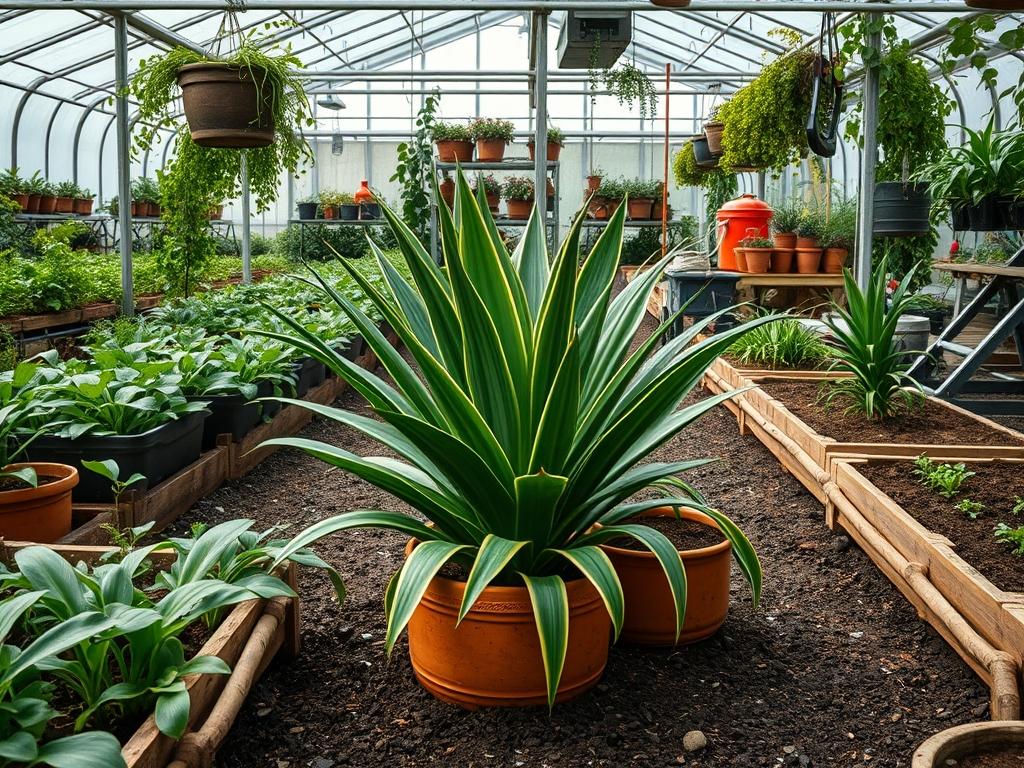
Designing a cohesive outdoor environment requires a mastery of both spatial aesthetics and subterranean health. As a landscape architect, I often see ambitious projects stumble not because of poor visual planning, but due to a failure in understanding the physiological needs of the plant palette. The Dracaena genus, comprising architectural favorites like Dracaena marginata and Dracaena fragrans, serves as a sculptural anchor in many modern landscapes and transitionary outdoor spaces. These plants offer a striking verticality and a palm-like silhouette that enhances curb appeal and creates a lush, tropical atmosphere. However, their utility in the landscape is entirely dependent on the structural integrity of their root systems. To maintain their health, the Best Soil for Dracaena must be engineered to provide rapid drainage and high aeration; otherwise, the transition from a design on paper to a flourishing garden will be marred by the onset of root rot.
When planning a landscape in USDA zones 10 through 11, or when utilizing large planters in more temperate climates, the outdoor functionality of Dracaena is unmatched. They work exceptionally well as focal points near entryways or as repeating elements along a contemporary walkway. The challenge lies in our variable weather patterns and irrigation cycles. If the soil substrate is too heavy or retains excessive moisture, the roots will quickly succumb to anaerobic conditions. This leads to a decline in foliage vibrancy, leaf spotting, and eventually, the structural failure of the plant. A professional landscape consultant views the soil as the primary infrastructure of the garden. By prioritizing a specialized soil mix, we ensure that the aesthetic investment remains protected against the most common cause of plant mortality in ornamental landscapes.
Landscape Design Principles
Successful landscape design relies on a balance of several core principles, with symmetry and focal points leading the way. Dracaena species are naturally suited to serve as focal points due to their height and unique leaf patterns. When we place a Dracaena draco at the center of a circular bed, we create a sense of hierarchy that guides the eye through the space. Symmetry can be achieved by flanking a set of hardwood garden benches with mirrored plantings of Dracaena reflexa. This repetition establishes a rhythm, making a large outdoor area feel organized and intentional.
Elevation layers are another critical consideration. In a well-structured garden, we utilize the “thriller, filler, spiller” technique. The Dracaena acts as the “thriller,” providing the necessary height to break the horizon line. Below it, we might place medium-height shrubs or perennials to act as the filler, followed by groundcovers like Liriope muscari to soften the edges. However, elevation isn’t just about plant height; it also involves the topography of the land. Creating slight mounds or berms with a landscape rake can improve visual interest and, more importantly, assist in drainage.
Irrigation planning and walkway design must be integrated into the initial layout. For Dracaena, we often specify drip irrigation systems rather than overhead sprayers to minimize leaf moisture and focus hydration at the soil level. The placement of flagstone walkways or decomposed granite paths should allow enough space for the plants to reach their mature width without encroaching on foot traffic. This spatial awareness prevents the need for aggressive pruning later, which can distort the natural beauty of the plant’s trunk.
Plant and Material Selection
Selecting the right materials for a project involves more than just picking beautiful species; it requires a deep dive into the compatibility of the plants with their environment. The following table outlines a selection of plants commonly used in tandem with Dracaena to create a resilient and visually balanced landscape.
| Plant Type | Sun Exposure | Soil Needs | Water Demand | Growth Speed | Maintenance Level |
| :— | :— | :— | :— | :— | :— |
| Dracaena marginata | Partial Sun / Bright Shade | Well-drained, Sandy Loam | Low | Moderate | Low |
| Zamioculcas zamiifolia | Shade to Partial Shade | Gritty, Porous Mix | Low | Slow | Very Low |
| Liriope muscari | Full Sun to Full Shade | Variable, Moist but Drained | Moderate | Fast | Low |
| Agave attenuata | Full Sun | Succulent / Cacti Mix | Very Low | Moderate | Low |
| Bromeliad Neoregelia | Dappled Shade | Highly Porous / Epiphytic | Moderate | Moderate | Medium |
| Aspidistra elatior | Deep Shade | Organic Rich / Well-drained | Moderate | Slow | Low |
Implementation Strategy
The implementation of a professional garden layout begins with site analysis and grading. Before the first Dracaena is placed, we must ensure the site is graded at a 2% slope away from any building foundations. This prevents water from pooling around the root zones of our key specimens. Once the grading is finalized, we define the beds using steel edging or heavy-duty plastic borders to create a clean line between the lawn and the planting areas.
The next step is the preparation of the planting holes. For a Dracaena with a 15 gallon root ball, the hole should be twice as wide as the pot but no deeper than the current root system. This is where we introduce the Best Soil for Dracaena to ensure long-term success. A professional-grade mix typically consists of 40% peat moss, 20% pine bark, 20% perlite, and 20% coarse sand. This specific ratio creates a high cation exchange capacity while maintaining the macropores necessary for oxygen exchange.
After backfilling the hole with this custom mix, we apply a 3 inch layer of organic cedar mulch or pine needles. Mulching is vital for regulating soil temperature and suppressing weeds, but it must be kept a few inches away from the trunk of the Dracaena to prevent moisture-induced rot at the base. Finally, if the landscape includes hardscaping like retaining walls, we ensure that perforated PVC drainage pipes are installed behind the wall to prevent hydrostatic pressure and waterlogged soil in the adjacent planting beds.
Common Landscaping Failures
The most frequent failure in maintaining Dracaena in the landscape is soil compaction. Typically caused by heavy foot traffic or the use of heavy machinery during construction, compacted soil lacks the air pockets required for root respiration. When roots cannot “breathe,” they begin to die back, a process that is accelerated when water is added. This is why the Best Soil for Dracaena is formulated to resist compaction over time by including inorganic aggregates like pumice or expanded shale.
Root overcrowding and improper spacing also lead to significant issues. While a dense planting might look attractive on the day of installation, Dracaena needs adequate airflow to prevent fungal leaf spot diseases. When plants are jammed together, humidity levels rise, creating a microclimate that favors pathogens. Furthermore, irrigation inefficiencies often result from “set it and forget it” timers. Many homeowners overwater their succulents and dracaenas during the dormant winter months, leading to root rot. A professional landscape should always include a rain sensor or a smart irrigation controller to adjust water levels based on real-time weather data.
Seasonal Maintenance
Maintenance requirements fluctuate with the seasons, and a proactive approach is necessary to preserve the landscape’s health. In the spring, we focus on rejuvenation. This is the ideal time to apply a slow-release 10-10-10 fertilizer to encourage new growth. We also inspect the Dracaena for any winter damage and use bypass pruners to remove any dead or yellowing lower leaves, which helps maintain that clean, architectural look.
Summer maintenance is dominated by water management. During periods of extreme heat, even drought-tolerant plants may need an occasional deep soak. However, we must monitor the moisture level at a 4 inch depth before watering. In autumn, the focus shifts to preparation. This is when we replenish the mulch layers to insulate the roots for the coming cooler months. If you are in a marginal climate, you might consider wrapping the trunks of younger Dracaena specimens in burlap if a rare frost is predicted.
Winter is a period of rest for most tropical plants. Irrigation should be reduced significantly, sometimes to once every three or four weeks depending on natural rainfall. We avoid any heavy pruning or fertilization during this time, as the plant’s metabolic rate is at its lowest. By following this seasonal cycle, we ensure that the Dracaena remains a vibrant and healthy component of the outdoor living environment for many years.
Professional Landscaping FAQ
What is the single most important factor for Dracaena soil?
The most critical factor is drainage. The Best Soil for Dracaena must allow excess water to pass through the root zone within seconds. Using a mix high in perlite or coarse sand prevents the anaerobic conditions that trigger rot.
How can I tell if my Dracaena has root rot?
Symptoms include yellowing lower leaves, a soft or mushy stem base, and a distinct foul odor coming from the soil. If the plant feels unstable in the ground, the root system has likely already begun to decompose due to poor drainage.
Should I use landscape fabric under Dracaena plantings?
Typically, we advise against it. Landscape fabric can often restrict the natural exchange of gasses and may eventually clog with fine soil particles, trapping too much moisture. A thick layer of organic mulch is a far more effective and breathable solution for weed control.
Can I use standard garden soil for Dracaena in planters?
No, standard garden soil is too heavy and compacts easily in the confined space of a planter. For containers, always use a specialized soilless potting mix amended with pine bark to ensure the roots receive the oxygen they need to thrive.
How often should I test my landscape’s soil pH?
Perform a professional soil test every 2 to 3 years. Dracaena prefers a slightly acidic to neutral pH between 6.0 and 7.0. If the soil becomes too alkaline, the plant may suffer from micronutrient deficiencies, regardless of how much fertilizer you apply.