
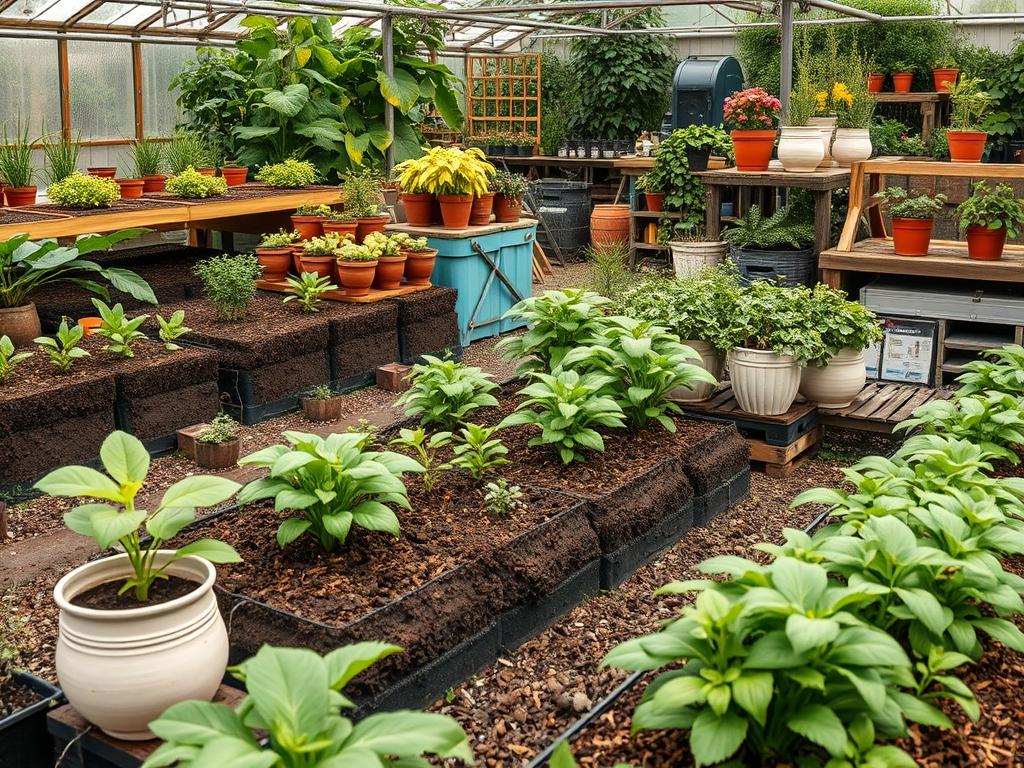
Successful landscaping projects often struggle with the transition between high-visibility ornamental areas and the challenging, low-light microclimates found under deep eaves or shaded entryways. The Zamioculcas zamiifolia, more commonly known as the ZZ Plant, offers an architectural solution to these difficult pockets of the landscape. In USDA hardiness zones 9b through 11, this species can be integrated directly into garden beds, while in cooler climates, it serves as the cornerstone of sophisticated container displays and sheltered patio arrangements. The primary obstacle to achieving a professional grade result with this species is not the light level but the structural integrity of the root zone. High-quality ZZ Plant Soil Mixtures are the foundation of this success, as they mediate the relationship between moisture retention and essential gas exchange for the plant’s unique rhizomatous root system.
Creating curb appeal using the ZZ Plant requires a focus on structural contrast. The plant possesses thick, waxy, pinnate leaves that reflect light, providing a brilliant emerald sheen even in the deepest shade. When designing an outdoor environment, these plants act as a visual anchor. Their vertical growth habit provides a clean silhouette that complements contemporary architectural lines. However, the functionality of the landscape must extend beneath the surface. For an outdoor living space to remain pristine, the drainage systems must be engineered to prevent stagnant water, which is the nemesis of the ZZ Plant. Whether you are installing a series of large stone planters along a walkway or bedding them into a raised terrace, the soil architecture must be prioritized to ensure long term vitality and minimal replacement costs.
Landscape Design Principles
Symmetry and focal points are the hallmarks of a well-executed landscape plan. To use the ZZ Plant effectively, one should consider it a structural element rather than a filler. In a symmetrical entrance design, placing twin terracotta urns containing mature ZZ Plants creates an immediate sense of formality and permanence. This approach utilizes the plant’s upright form to frame doorways or garden gates. Visual balance is achieved by pairing the glossy, dark green foliage with lighter, textured materials such as Mexican beach pebbles or a natural cedar mulch.
Elevation layers are equally critical in a professional garden layout. The ZZ Plant typically reaches heights of 2 feet to 3 feet, making it an ideal mid-layer specimen. In a tiered garden bed, these plants should be positioned behind lower-growing groundcovers like Silver Falls Dichondra and in front of tall, broad-leafed species like Giant Bird of Paradise. This layering creates a sense of depth and lushness. Furthermore, irrigation planning must be separate for these zones. Because ZZ Plant Soil Mixtures require significantly less water than traditional bedding plants, they should be placed on a dedicated irrigation valve or hand-watered to prevent the saturated conditions that lead to rhizome decay.
Walkways and paths benefit from the non-invasive nature of the ZZ Plant. Unlike many tropical species, its root system is contained and does not threaten the structural integrity of flagstone pavers or poured concrete edges. When lining a path, the designer should focus on the transition between the hardscape and the softscape. By utilizing a plastic or metal landscape edging, you can contain specialized soil mixes specifically for the ZZ Plants, ensuring they do not become contaminated with the heavier, clay-heavy native soils often found in local grades.
Plant and Material Selection
| Plant Type | Sun Exposure | Soil Needs | Water Demand | Growth Speed | Maintenance Level |
| :— | :— | :— | :— | :— | :— |
| ZZ Plant | Part Shade to Full Shade | Gritty, Well-Draining Mix | Low | Slow | Low |
| Snake Plant | Full Sun to Shade | Sandy, Porous Mix | Low | Moderate | Low |
| Cast Iron Plant | Full Shade | Loamy, Well-Draining | Medium-Low | Slow | Very Low |
| Foxtail Fern | Part Sun | Rich, Well-Draining | Medium | Moderate | Medium |
| Bromeliad | Dappled Shade | Highly Epiphytic/Porous | Medium | Moderate | Medium |
Selecting the correct materials for ZZ Plant Soil Mixtures involves balancing three components: aeration, drainage, and nutrient retention. A professional grade mixture often consists of 3 parts high-quality potting soil, 1 part coarse perlite, and 1 part orchid bark. For installations in high-humidity coastal areas, adding 1 part horticultural charcoal can help sweeten the soil and prevent fungal pathogens. The goal is a medium that feels light and crumbles easily when squeezed.
Implementation Strategy
The implementation of a landscape featuring the ZZ Plant begins with site grading. The area must be sloped away from any building foundations at a minimum of 2 percent grade to ensure that heavy rain events do not submerge the root zones. If the native soil is heavy clay, the most effective strategy is to create a raised bed or use oversized containers. For a backyard garden layout, excavate the planting area to a depth of 12 inches. Backfill the first 3 inches with crushed granite or pea gravel to create a drainage sump.
Next, place a layer of landscape fabric over the gravel to prevent the specialized soil mixture from migrating downward. Fill the remainder of the space with your custom ZZ Plant Soil Mixtures, ensuring the final grade sits 1 inch below the bordering hardscape to accommodate mulch. When placing the plants, space them approximately 18 inches to 24 inches apart to allow for the natural expansion of the rhizomes. Finish the installation with a 2 inch layer of pine bark nuggets. This mulch depth is sufficient to suppress weeds and retain a baseline of moisture without suffocating the roots.
Common Landscaping Failures
The most frequent failure in landscapes utilizing the ZZ Plant is improper drainage. Many contractors make the mistake of planting these succulents in the same irrigation zone as turfgrass or seasonal flowers. This leads to soil saturation and the inevitable collapse of the plant’s internal structure. Another common issue is soil compaction. In high-traffic areas, the weight of foot traffic can squeeze the air out of the soil, effectively drowning the roots. Using stepping stones or raised planters protects the soil structure from this physical stress.
Root overcrowding and improper spacing also lead to diminished curb appeal. While ZZ Plants can tolerate being slightly root-bound in a container, garden-planted specimens need room for their rhizomes to store water. If planted too closely, the competition for the meager nutrients in the gritty soil can cause the foliage to yellow. Lastly, many homeowners fail to recognize the impact of mineral buildup from hard water irrigation. Over time, salts can accumulate in the ZZ Plant Soil Mixtures, causing burnt leaf tips. Periodic flushing of the soil with rainwater or distilled water is a necessary maintenance task for high-end environments.
Seasonal Maintenance
Spring is the primary season for landscape rejuvenation. As temperatures rise above 60 degrees Fahrenheit, apply a balanced, slow-release granular fertilizer to the surface of the soil. This provides the necessary nutrients for the upcoming growing season without the risk of salt burn associated with liquid fertilizers. Inspect the drainage holes of any containers to ensure they have not been blocked by root growth or debris.
During the summer, the focus shifts to moisture management. While the ZZ Plant is drought-tolerant, extreme heat can cause the soil to pull away from the edges of containers. If this occurs, the soil has become hydrophobic. You must slowly rehydrate the medium by applying water in small increments until the ZZ Plant Soil Mixtures are once again receptive to moisture.
In autumn, reduce watering frequency and remove any spent or yellowing stems using bypass pruners sterilized with isopropyl alcohol. This prevents the spread of pathogens as the plant enters a slower growth phase. Winter maintenance is largely protective. If a frost is forecasted, provide temporary cover with frost blankets or move portable containers into a greenhouse or garage. The ZZ Plant contains a high water content in its stems, making it particularly vulnerable to cell rupture during freezing events.
Professional Landscaping FAQ
What is the ideal pH for ZZ Plant Soil Mixtures?
The ideal pH range is slightly acidic to neutral, specifically between 6.0 and 7.0. You can test this using a standard pH meter. If the soil is too alkaline, adding elemental sulfur or peat moss can help lower the levels.
How deep should the drainage layer be in a large planter?
For a large architectural planter, a drainage layer of 3 to 4 inches of lava rock or recycled glass stones is recommended. This ensures that even during heavy storms, the root system remains above the standing water line.
Can I use decorative stones as a mulch for ZZ Plants?
Yes, lava rock or river pebbles are excellent for outdoor ZZ Plants. Stone mulch does not decompose, which helps maintain the inorganic balance of the ZZ Plant Soil Mixtures and provides a high-end, clean aesthetic for modern landscapes.
Why are my ZZ Plant stems leaning toward one side?
This is typically a phototropic response. In a landscape, if the plant receives light from only one direction, it will lean. To correct this in a controlled environment, rotate containers by 90 degrees monthly to maintain a vertical, symmetrical habit.
How often should I refresh the soil in an outdoor container?
In a professional setting, container soil should be refreshed every 2 to 3 years. Over time, the organic components in ZZ Plant Soil Mixtures break down and lose their aeration properties. Partial soil replacement ensures continued vigorous growth.