
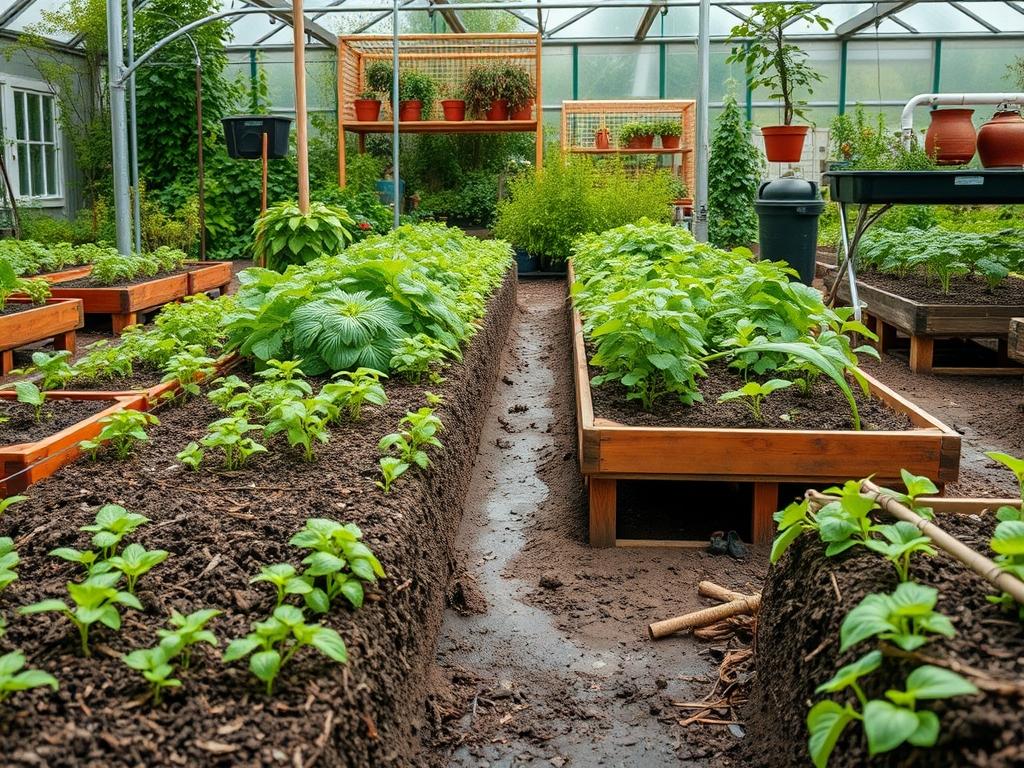
Renovating a landscape requires more than just fresh blossoms and a coat of paint on the fence. When garden beds begin to look tired, the issue usually lies beneath the surface in the rhizosphere. Activating soil biology is the process of restoring the subterranean network of bacteria, fungi, and protozoa that facilitate nutrient cycling. Without this biological activity, even the most expensive fescue or boxwood will struggle to thrive. A landscape architect views the soil as a living foundation, much like the structural slab of a house. When the biology is dormant, the curb appeal suffers and the outdoor functionality is compromised by poor drainage and more frequent plant disease. Improving this environment requires a strategic approach that blends site engineering with biological inoculation.
In many urban and suburban environments, the soil becomes a victim of “new build” syndrome. This occurs when heavy machinery compacts the earth into a dense, anaerobic mass that lacks the air pockets necessary for aerobic life. Activating soil biology is not just about adding fertilizer; it is about changing the physical and chemical state of the earth to invite beneficial organisms back. This restoration significantly increases the value of the property by ensuring the longevity of the plantings and reducing the need for expensive chemical interventions. A healthy garden bed manages its own pests and captures more carbon. It creates a lush, vibrant backdrop that elevates the overall design of the home.
Landscape Design Principles
In professional landscape architecture, the health of the soil dictates the success of design principles like symmetry and focal points. If one side of a symmetrical entryway has compacted, lifeless soil while the other is rich and porous, the plants will grow at different rates. This ruins the visual balance of the installation. Activating soil biology ensures that your Acer palmatum or Buxus specimens reach their intended size and shape in unison. When we plan for focal points, we must ensure the soil can support the root mass of a mature tree. A stunted tree fails to draw the eye or provide the necessary vertical scale for the garden.
Elevation layers and the use of retaining walls also play a critical role in soil health. Terracing a slope prevents the runoff of organic matter and allows moisture to penetrate the soil profile slowly. This moisture is the lifeblood of soil microbes. Without proper elevation management, the “tired” look of a garden bed often stems from the perpetual loss of topsoil. Furthermore, irrigation planning must be precise. Over-saturation leads to rot and anaerobic conditions, which kill the very fungi we want to encourage. We design irrigation systems that utilize drip emitters to deliver water directly to the root zone, maintaining consistent moisture levels without drowning the beneficial bacteria.
Walkways and hardscaping should be designed to direct traffic away from planting zones. Soil compaction is a primary killer of soil biology. By using pavers, flagstone, or decomposed granite for paths, we protect the garden beds from the weight of human foot traffic. This preserves the pore space in the soil. Visual balance is achieved when the structured elements of the garden work in harmony with the organic, thriving growth of the plants. A vibrant, biologically active garden bed provides a soft contrast to the hard lines of stone and wood, creating a professional and polished environment.
Plant and Material Selection
Selecting the right plant material is the second step in activating soil biology. Certain species, particularly native plants, have evolved to form symbiotic relationships with local soil organisms. Using a mix of species ensures a diverse microbial community.
| Plant Type | Sun Exposure | Soil Needs | Water Demand | Growth Speed | Maintenance Level |
| :— | :— | :— | :— | :— | :— |
| Echinacea purpurea | Full Sun | Well-drained | Low | Fast | Low |
| Panicum virgatum | Full Sun/Part Shade | Adaptable | Low | Medium | Low |
| Sarcococca hookeriana | Shade | Acidic/Rich | Moderate | Slow | Medium |
| Lavandula angustifolia | Full Sun | Sandy/Loam | Very Low | Medium | High |
| Rudbeckia fulgida | Full Sun | Heavy Clay | Moderate | Fast | Low |
| Calamagrostis acutiflora | Full Sun | Loamy | Moderate | Fast | Medium |
The use of biochar and high-quality compost is essential when selecting materials. Biochar acts as a permanent reef for microbes, providing tiny nooks where they can hide and multiply. When we combine this with humic acid and mycorrhizal inoculants, we provide the initial spark needed to restart the biological engine of a tired bed.
Implementation Strategy
The process of activating soil biology begins with a professional site analysis. We start by measuring the current compaction levels using a penetrometer. If the tool shows high resistance, we must address the structure before the biology. Instead of traditional tilling, which destroys fungal networks, we use a broadfork to crack the soil without flipping it. This allows oxygen to reach the lower layers while keeping the existing soil horizons intact.
Next, we address grading and drainage. A garden bed should be graded to have a 2-percent slope away from building foundations. This prevents water from pooling. If the site has heavy clay, we may install a French drain or use perforated pipe buried in a trench of 3/4-inch crushed stone. Once the drainage is secured, we apply a 2-inch layer of finished compost. This is not dug in deeply but rather raked into the top inch of the surface.
We then apply a biological stimulant such as compost tea or liquid kelp. This introduces millions of active organisms directly to the root zone. Following the application, we install the irrigation lines. Drip tubing is preferred as it keeps the leaf foliage dry, reducing fungal diseases on the plants while keeping the soil biology hydrated. Finally, we finish the bed with a 3-inch layer of hardwood mulch or arborist wood chips. This mulch acts as a slow-release food source for the fungi and protects the soil surface from the heat of the sun, which can sterilize the top layer of biology.
Common Landscaping Failures
The most common failure in modern landscaping is the over-reliance on synthetic nitrogen fertilizers. While these provide a quick green-up, they are essentially salts that dehydrate and kill soil microbes. Over time, the soil becomes addicted to these chemicals because the natural nutrient cycling system has been destroyed. This leads to the very “tired” beds we are trying to fix. Another major mistake is improper drainage. When water sits in a bed for more than 24 hours, the soil moves into an anaerobic state, producing hydrogen sulfide which smells like rotten eggs and kills plant roots.
Root overcrowding is another frequent error. Homeowners often plant for immediate impact, placing specimens too close together. As these plants mature, their root systems compete for the limited biological resources in the soil, leading to stress and decline. We always recommend spacing according to the mature width of the species. Similarly, using a skid-steer or heavy mower over garden beds after rain will cause deep compaction that can take years to reverse. Soil is at its most vulnerable when it is wet.
Seasonal Maintenance
Activating soil biology is a year-round commitment. In the spring, the goal is to wake up the microbes as the soil temperature rises above 50 degrees Fahrenheit. This is the best time for a fresh application of compost tea and a light dusting of worm castings. As we move into summer, the priority shifts to moisture management. We check the 3-inch mulch layer to ensure it hasn’t thinned out. Maintaining a cool soil temperature is critical for microbial survival during heatwaves.
Autumn is the season for building “soil capital.” We leave fallen leaves in the beds when possible, or chop them up with a mulching mower. These leaves are the primary food source for earthworms and fungi. We may also apply bone meal or rock phosphate to support root growth during the dormant season. During winter, maintenance involves protecting the soil from erosion. If a bed is empty, a cover crop or a heavy layer of straw can prevent the winter rains from leaching out the nutrients and collapsing the soil structure.
Professional Landscaping FAQ
How long does it take to activate soil biology?
Visible results in plant vigor usually appear within one growing season. However, building a fully stable and self-sustaining microbial ecosystem typically takes two to three years of consistent organic management and proper moisture control.
Is tilling necessary to fix tired soil?
Tilling is generally discouraged because it shatters fungal hyphae and introduces too much oxygen, which burns through organic matter too quickly. Using a broadfork or aeration sandals is a much more effective way to improve air flow.
What is the best mulch for soil health?
Arborist wood chips or shredded hardwood mulch are superior for soil biology. They provide a diverse range of carbon sources for fungi to break down, eventually turning into rich humus that feeds your garden plants.
Can I use store-bought fertilizer with bio-activators?
It is best to avoid high-salt synthetic fertilizers. Instead, choose organic options labeled as OMRI Listed. These products work in harmony with soil microbes rather than killing them, ensuring long-term health for your tired garden beds.
How do I know if my soil biology is active?
Check for the presence of earthworms and a dark, earthy smell. You can also perform a “slake test” by dropping a clump of soil into water. If it holds together, the biological glues are present and active.