
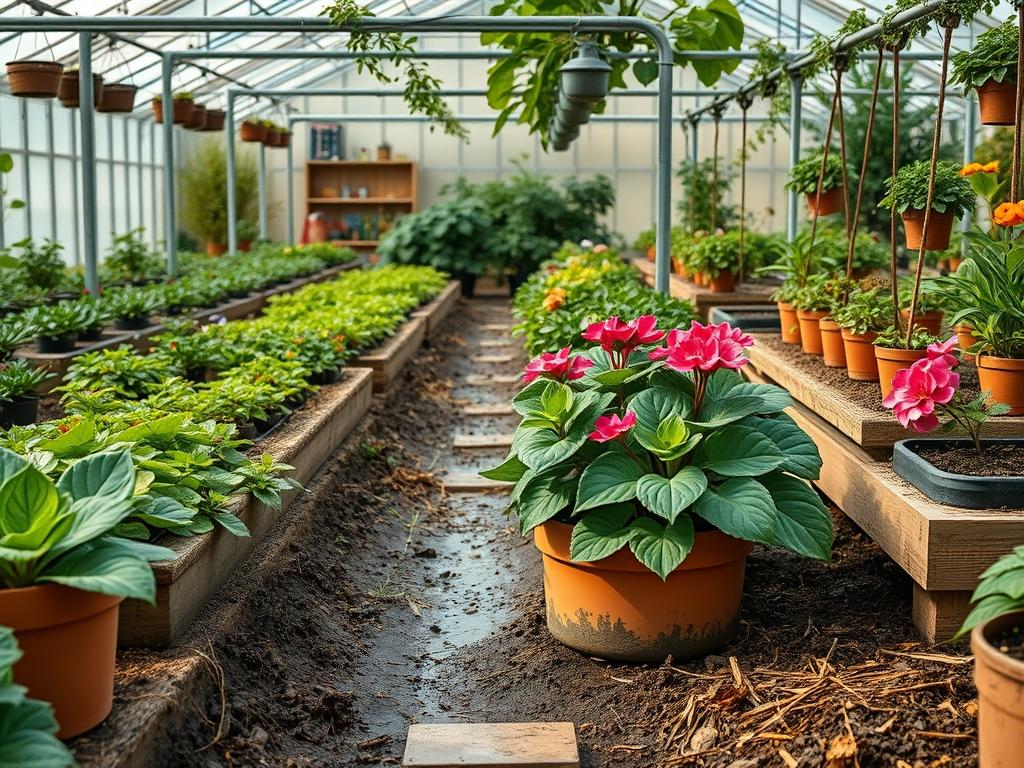
Integrating begonias into a high end landscape design requires a deep understanding of the intersection between aesthetic form and subterranean function. As a landscape architect, I view these plants as more than just a pop of color; they are essential structural tools for low light environments where many other flowering species struggle to thrive. Begonias provide a unique texture and a wide variety of leaf shapes that can define the character of a shaded patio or a north facing entryway. However, the success of these plants in a professional installation relies almost entirely on the substrate. The best soil for begonias must be light and airy to accommodate their delicate, fibrous root systems which are prone to suffocation in heavy, compacted earth. When planning a landscape that prioritizes curb appeal and long term outdoor functionality, the soil composition becomes the primary engineering challenge. If the soil is too dense, the entire design fails within a single season as the plants succumb to root rot and poor nutrient uptake.
Begonias serve as a bridge between the soft, organic textures of ferns and the rigid lines of hardscaped retaining walls. Because they are often utilized in high visibility areas near walkways and front porches, their health is a direct reflection of the property’s maintenance standards. A well designed flower bed using begonias as a focal point must factor in the microclimate of the site, including humidity levels and wind exposure. In transition zones where the sun shifts throughout the day, the soil must act as a buffer, providing consistent moisture without becoming waterlogged. Achieving this balance is a cornerstone of professional garden planning, ensuring that the outdoor living space remains vibrant and inviting throughout the growing season.
Landscape Design Principles
In the realm of landscape architecture, symmetry and focal points are used to guide the eye and create a sense of order. Begonias are frequently used in symmetrical plantings, such as flanking a grand staircase or framing a fountain. Because of their consistent growth habit, they offer a predictable visual weight that is crucial for maintaining balance. Designers often use elevation layers to create depth; this involves placing taller background shrubs like Hydrangea macrophylla behind mid level begonias, which are then bordered by low lying groundcovers or decorative stone.
Visual balance is also achieved through the contrast of leaf textures. The waxy, glossy foliage of many begonia varieties provides a reflective surface that brightens dark corners of the landscape. To support this aesthetic, irrigation planning must be precise. Over-head watering can damage the delicate blooms and lead to fungal issues, so professional designs typically incorporate drip irrigation systems buried beneath a layer of organic mulch. This delivery method ensures that moisture reaches the root zone directly while keeping the foliage dry. Walkways should be designed with a slight grade, roughly a two percent slope, to direct excess rainwater away from these sensitive planting zones, preventing the soil from becoming anaerobic.
Plant and Material Selection
Selecting the right materials involves matching the biological needs of the plant with the physical characteristics of the site. The following table outlines the requirements for begonias and their common companions in a professional landscape.
| Plant Type | Sun Exposure | Soil Needs | Water Demand | Growth Speed | Maintenance Level |
| :— | :— | :— | :— | :— | :— |
| Rex Begonia | Full Shade | Light, Porous | Moderate | Medium | High |
| Wax Begonia | Partial Sun | Well Draining | Moderate | Fast | Low |
| Tuberous Begonia | Filtered Shade | Aerated Mix | High | Medium | Moderate |
| Japanese Painted Fern | Full Shade | Moist, Rich | High | Slow | Low |
| Hosta Spp. | Part to Full Shade | Loamy | Moderate | Medium | Low |
| Caladium | Filtered Sun | Rich, Light | High | Fast | Moderate |
Implementation Strategy
The transition from a blueprint to a thriving backyard begins with proper site preparation. Grading is the first and most critical step. The area must be sculpted to ensure that water never pools around the base of the plants. Once the grade is established, we implement a stratified soil approach. For begonia beds, we excavate existing heavy clay and replace it with a custom blend. The best soil for begonias consists of one part sphagnum peat moss, one part perlite or vermiculite, and one part disinfected composted pine bark. This mixture creates the “light and airy” environment necessary for gas exchange at the root level.
Edging provides the clean lines expected in a professional landscape. We use 14 gauge steel edging or paver restraints to keep the specialized begonia soil from mixing with the surrounding turf or heavier garden soil. Once the plants are installed, a two inch layer of fine-textured bark mulch is applied. This mulch depth is specific; too shallow and it fails to retain moisture, too deep and it can smother the stems and promote rot. When dealing with hardscaping like stone paths or retaining walls nearby, we ensure that the drainage weep holes do not empty directly into the begonia beds, as the sudden influx of water during a storm could overwhelm the airy soil structure.
Common Landscaping Failures
The most frequent mistake in begonia management is ignoring soil compaction. In high traffic areas, foot foliage or heavy equipment sessions can squeeze the air out of the ground. When oxygen is pushed out, the “best soil for begonias” becomes a death trap. Without air pockets, roots cannot respire, and the plant will wilt even if the soil is wet. This is often misdiagnosed as a lack of water, leading to over-irrigation and further compounding the problem.
Another common failure is improper spacing. In an attempt to achieve “instant” curb appeal, installers often crowd plants too closely together. This restricts airflow between the leaves, creating a humid microclimate that is ripe for powdery mildew and botrytis. Professional spacing should account for the mature width of the species, typically 8 to 12 inches apart for wax varieties and up to 15 inches for larger rex types. Finally, using a generic “topsoil” from a local hardware store is a frequent error. These bagged soils are often too heavy and lack the structural components like perlite needed to maintain aeration over a full season.
Seasonal Maintenance
Landscape management is a year round commitment that changes with the environment. In the spring, the focus is on soil preparation and the gradual introduction of plants once the risk of frost has passed. This is the time to incorporate a slow release granular fertilizer into the top layer of the soil. As we move into summer, moisture monitoring is the priority. During heatwaves, the airy nature of the best soil for begonias means it may dry out faster than heavy clay, requiring more frequent, yet controlled, irrigation.
Autumn marks a shift toward protection and cleanup. For non-hardy varieties, tubers must be lifted before the first hard freeze or treated as annuals to be cleared away. Removing spent foliage prevents pests from overwintering in the garden beds. In winter, the landscape’s structural elements take center stage. While the begonias may be gone or dormant, the clean edges and well graded beds remain visible. Applying a winter mulch can help protect the soil structure from the erosive forces of heavy snow and rain, ensuring the “airy” quality is preserved for the following spring’s planting.
Professional Landscaping FAQ
Why does my begonia soil need perlite?
Perlite creates permanent air pockets in the substrate. These pockets allow the roots to breathe and ensure that excess water can drain away quickly, preventing the root rot that commonly plagues begonias in heavy, traditional garden soils.
How often should I fertilize begonias in a landscape?
Apply a balanced, water soluble fertilizer every two weeks during the growing season. Alternatively, use a professional grade slow release fertilizer at the time of planting to provide a steady supply of nutrients without the risk of salt buildup in the soil.
Can I use native clay soil for begonias?
Native clay is usually too dense and retains too much moisture for begonias. To use it, you must heavily amend the area with organic matter and drainage components like coarse sand or composted bark to create a lighter, more suitable texture.
What is the ideal pH for begonia soil?
Begonias prefer a slightly acidic environment, typically between 5.5 and 6.5 pH. Using peat moss in your soil mix naturally helps maintain this acidity while providing the structural lightness required for healthy, vigorous root development and nutrient absorption.
Does mulch depth really matter for begonias?
Yes, it is critical. A depth of two inches is ideal. Any deeper can trap excessive moisture against the stems, leading to fungal infections. Any shallower will allow the sun to dry out the delicate top roots too quickly.