
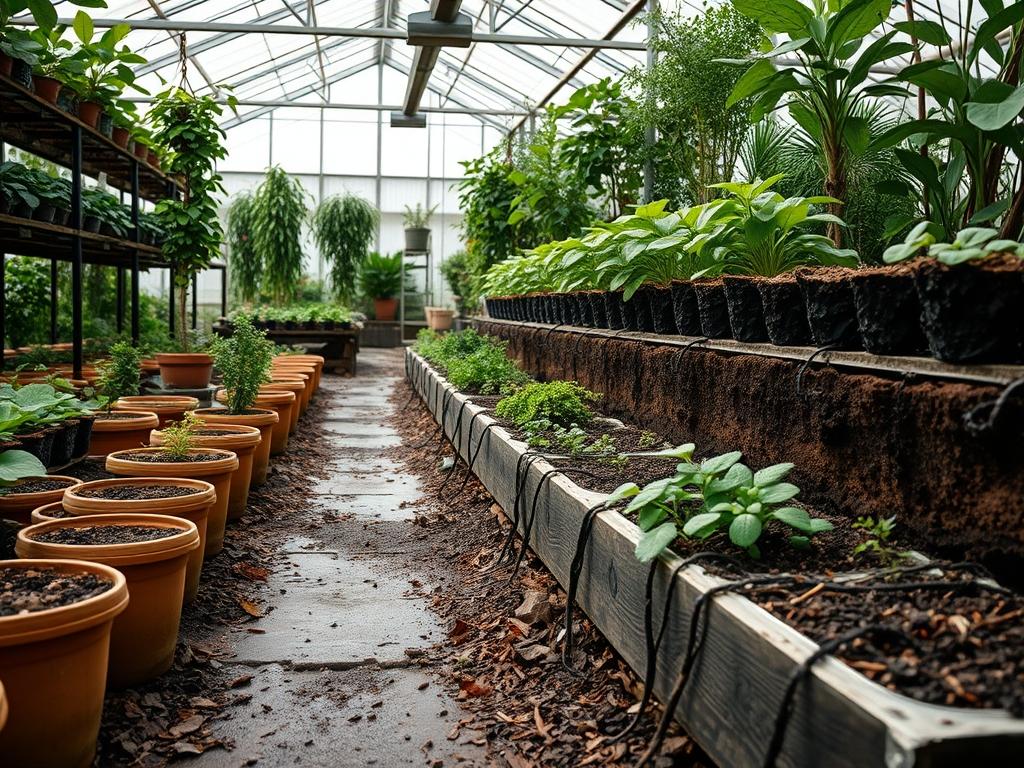
Most property owners view landscaping through the narrow lens of visual aesthetics, yet the truly resilient environment begins beneath the surface. Soil health is the silent architect of curb appeal; it is where the invisible dance of microorganisms dictates the longevity of every Japanese Maple or Boxwood shrub installed on the site. As a landscape architect, my first priority during any site assessment is not the initial layout of the flagstone, but rather the biological integrity of the ground. Successful outdoor functionality depends on a delicate balance between engineering and ecology. When we talk about Soil Fungi Identification, we are not simply looking for mushrooms in the lawn. We are identifying the subterranean mycelial networks that govern nutrient uptake, defend against root rot, and facilitate communication between diverse plant species. A garden that ignores this biological component is destined for high maintenance costs and premature plant failure, regardless of how much money is spent on high-end hardscaping or mature specimens. Developing a professional-grade landscape requires an understanding of how elevation, drainage, and irrigation interact with these fungal communities to create a self-sustaining ecosystem.
LANDSCAPE DESIGN PRINCIPLES
True professional design rests on the mastery of symmetry and the intentional placement of focal points. When drafting a master plan, we utilize elevation layers to create depth. This is achieved by placing larger Conifers or Oaks at the rear of the visual field and stepping down to mid-sized perennials and low-growing groundcovers. This layering does more than please the eye; it creates microclimates that protect the soil from extreme temperature swings. Visual balance is often achieved through the repetition of textures and colors, but a consultant also looks for structural balance. This means ensuring that the weight of a Retaining Wall or a heavy Paver Patio does not cause soil compaction that could suffocate the beneficial fungi necessary for plant health.
Irrigation planning is perhaps the most critical technical component of the design phase. We aim for a system that provides consistent moisture without creating anaerobic conditions. Excessive water leads to the proliferation of pathogenic fungi like Phytophthora, which can destroy a root system in a single season. Conversely, a well-planned Drip Irrigation system encourages the growth of mycorrhizal fungi. These beneficial organisms form a symbiotic relationship with plant roots, extending the reach of the root system and improving drought resistance. Walkways should be designed to direct foot traffic away from sensitive planting beds to prevent the crushing of delicate mycelial filaments. Every path, whether it is Crushed Granite or Bluestone, serves as a functional barrier that protects the biological engine of the garden.
PLANT AND MATERIAL SELECTION
Selecting the right materials involves balancing the biological needs of the soil with the desired aesthetic outcome. The following table provides a selection of common landscape staples and their specific requirements to ensure long-term health and fungal compatibility.
| Plant Type | Sun Exposure | Soil Needs | Water Demand | Growth Speed | Maintenance Level |
| :— | :— | :— | :— | :— | :— |
| Eastern Red Cedar | Full Sun | Well-drained | Low | Moderate | Low |
| Hydrangea Macrophylla | Part Shade | Rich Organics | High | Fast | Medium |
| Creeping Thyme | Full Sun | Sandy/Rocky | Low | Fast | Low |
| Japanese Forest Grass | Shade | Moist/Loamy | Moderate | Slow | Low |
| Blue Star Juniper | Full Sun | Gritty/Dry | Low | Slow | Very Low |
| River Birch | Full Sun/Part Sun | Wet/Acidic | High | Fast | Medium |
| Lavender | Full Sun | Alkaline | Low | Moderate | Medium |
IMPLEMENTATION STRATEGY
The implementation of a professional landscape begins with rigorous site preparation. This starts with grading to ensure that water moves away from the foundation and does not pool in planting zones. We use Laser Levels to establish a consistent pitch, typically a 2 percent slope for most lawn areas. During this phase, Soil Fungi Identification becomes a practical tool. If we encounter white, thread-like structures in the topsoil, we are likely seeing beneficial saprophytic fungi that are breaking down organic matter. If we see dark, honey-colored rhizomorphs, we may be dealing with Armillaria, a destructive pathogen that requires immediate soil remediation or species changes.
Once grading is complete, we install the hardscaping. Retaining Walls should be built with a 4 inch perforated drain pipe behind the wall to prevent hydrostatic pressure and soil saturation. Edging is then installed to define the boundaries between lawns and beds. We prefer Steel Edging for its durability and clean lines. After the hardscape is set, we amend the soil with high-quality Leaf Mold Compost to inoculate the area with beneficial microbes. When planting, we ensure that the root flare of every tree is visible. Planting too deep is a leading cause of fungal cankers. Finally, a 3 inch layer of Organic Cedar Mulch is applied. This mulch acts as a slow-release food source for the fungal networks that will eventually sustain the entire site.
COMMON LANDSCAPING FAILURES
The most frequent failure in modern landscaping is poor drainage. When water stagnates, it displaces the oxygen in the soil macro-pores. This leads to the death of beneficial aerobic fungi and the rise of anaerobic pathogens that cause root rot. Another common error is root overcrowding. Designers often plant for immediate impact, placing 3 gallon shrubs too close together. Within five years, these plants compete for the same fungal resources and nutrients, leading to stunted growth and increased susceptibility to pests.
Improper spacing and soil compaction are also major contributors to landscape decline. When heavy machinery is used during construction without proper soil remediation, the resulting compaction acts like concrete. Roots cannot penetrate the soil, and water cannot reach the lower horizons. This environment is toxic to beneficial mycorrhizae. Furthermore, irrigation inefficiencies, such as over-watering a Succulent Garden or under-watering a Fern Glade, create stress markers that attract secondary fungal infections. Soil Fungi Identification at the first sign of a wilting leaf can often reveal these underlying structural failures before the plant is lost entirely.
SEASONAL MAINTENANCE
Landscape management is a year-round commitment that changes with the biological cycle of the soil. In the spring, the focus is on reactivation. We clear debris and apply a light layer of Compost Tea to jump-start the fungal activity as the soil warms above 50 degrees Fahrenheit. This is also the time to inspect for “snow mold” and other cool-season fungal issues that may have developed under the winter cover.
Summer maintenance centers on moisture management and stress reduction. We adjust Irrigation Controllers to account for high evaporation rates while ensuring we do not create the humid, stagnant conditions that favor leaf spot fungi. In autumn, the focus shifts to soil building. Falling leaves should be mulched back into the beds or removed to a compost pile; leaving a thick, wet layer of leaves on the lawn can lead to fungal “damping off” in the grass. Winter is the season for structural pruning and soil protection. We avoid tilling or disturbing the soil during the winter months to preserve the dormant mycelial structures. Applying a fresh layer of Bark Mulch in late autumn helps insulate the soil and provides a steady source of carbon for the fungi to process during the spring thaw.
PROFESSIONAL LANDSCAPING FAQ
How can I tell if fungi are helping or hurting my plants?
Beneficial fungi, like mycorrhizae, are usually invisible or appear as white threads in the soil. Pathogenic fungi often produce visible symptoms like localized wilting, blackened roots, or shelf-like mushrooms growing directly from the trunk of a tree.
Does using chemical fertilizer affect soil fungi?
High-salt synthetic fertilizers can dehydrate and kill beneficial fungal networks. Over-application can lead to a dependency where the plant stops seeking symbiotic relationships, making it more vulnerable to drought and disease over time. Organic alternatives are always preferred.
What is the best way to improve soil drainage for a new bed?
Incorporate organic matter like Expanded Shale or coarse Compost to improve porosity. For severe cases, installing a French Drain using 1 inch washed gravel and perforated piping will effectively move excess water away from the root zone.
Can I reuse mulch that has mushrooms growing in it?
Yes, most mushrooms growing in mulch are saprophytic, meaning they are simply decomposing the wood. They are a sign of a healthy, active soil ecosystem and do not pose a threat to your living landscape plants.
How deep should I mulch to protect the soil?
A depth of 2 to 3 inches is ideal for most residential landscapes. Applying more than 4 inches of mulch can create a hydrophobic layer or suffocate the soil, preventing oxygen and water from reaching the beneficial fungi below.