
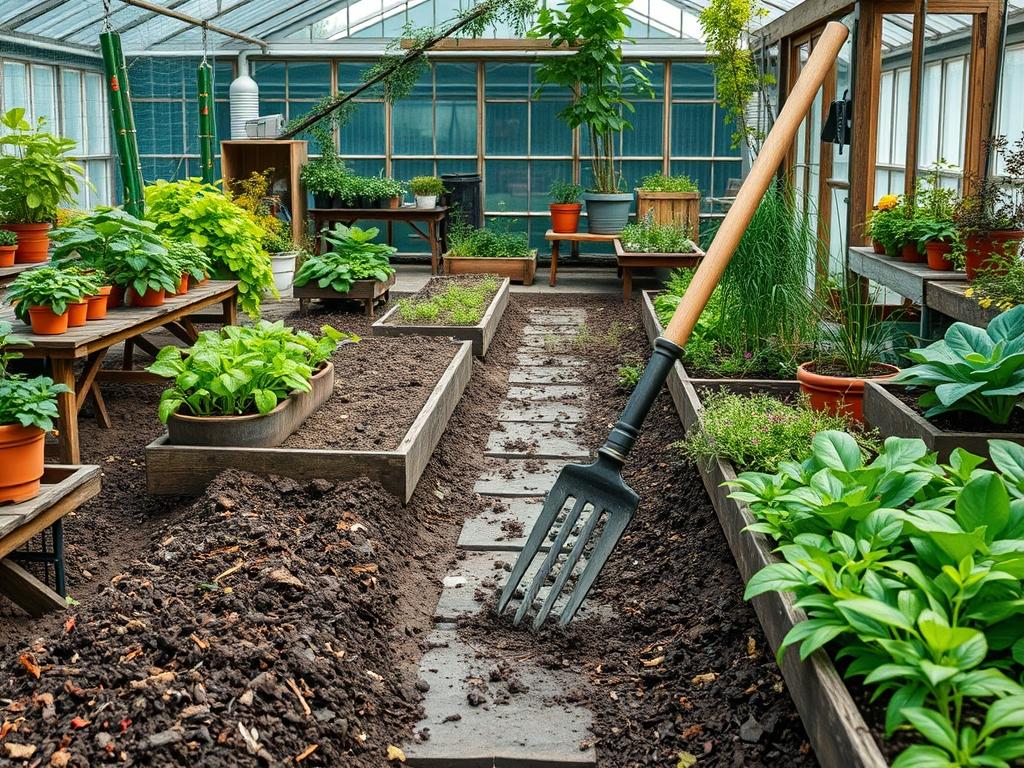
Managing a high-end landscape requires a deep understanding of the invisible architecture beneath the surface of the earth. When approaching a new project, whether it is a residential estate or a commercial courtyard, the debate between Garden Forking vs Tilling becomes a central pillar of the site preparation phase. Tilling provides an immediate, pulverized soil bed that looks aesthetically pleasing for the first few days, yet it often comes at the cost of long-term soil structure and microbial health. Conversely, forking is a labor intensive process that preserves the delicate underground networks of fungi and beneficial bacteria. For the modern landscape architect, the choice between these two methods dictates the future health of the vegetation, the efficiency of the irrigation system, and the overall sustainability of the outdoor environment. Proper soil preparation directly impacts curb appeal because a plant that struggles in compacted or structurally damaged soil will never achieve the lush, vibrant foliage required for a professional finish.
Landscape Design Principles
Successful landscape design relies on the harmony between structural elements and biological vitality. When we consider symmetry and focal points, we must recognize that the most impressive Specimen Trees or large Shrubs require deep, stable root zones. Tilling typically only affects the top 6 to 8 inches of soil. For larger focal points, a Garden Fork allows the professional to fractures deeper layers of the soil profile without inverting the layers, which facilitates better vertical root growth. Elevation layers also play a role here. If a design incorporates raised mounds or undulating berms, the soil used must be aerated properly to prevent the features from slumping over time.
Visual balance is not just about the placement of hardscaping but about the health of the negative space, often the turf or groundcover. In areas where Walkways and Retaining Walls are present, soil compaction is a constant threat. Forking around these structures avoids the mechanical vibration and sheer force of a Rototiller, which can unintentionally damage the footings of a wall or the edges of a stone path. Furthermore, forking supports better Irrigation Planning. Water moves through the soil via capillary action. When a tiller creates a fine, powdery texture, the soil can actually become hydrophobic or form a crust that causes water to sheet off the surface rather than penetrate to the roots. By choosing forking, the architect ensures that the drainage patterns designed on paper actually function in the physical earth.
Plant and Material Selection
The following table outlines common selections for a professional landscape and how their specific needs intersect with the soil preparation method chosen.
| Plant Type | Sun Exposure | Soil Needs | Water Demand | Growth Speed | Maintenance Level |
| :— | :— | :— | :— | :— | :— |
| Buxus microphylla | Full Sun to Part Shade | Well-drained loam | Moderate | Slow | High (Pruning) |
| Echinacea purpurea | Full Sun | Lean to average | Low | Medium | Low |
| Panicum virgatum | Full Sun | Variable/Deep | Low | Fast | Minimal |
| Hydrangea macrophylla | Part Shade | High Organic Matter | High | Medium | Moderate |
| Taxus baccata | Shade to Sun | Perfect Drainage | Moderate | Slow | Medium |
Selecting a plant like Taxus baccata requires precise soil management. Because it is highly sensitive to wet feet, forking is the superior choice to break up subsurface pans without creating a bowl effect that holds water. In contrast, for a wildflower meadow featuring Echinacea, a light tilling might be acceptable for the initial seedbed preparation, provided it is not repeated annually.
Implementation Strategy
The implementation of a professional garden layout begins with accurate Grading. Before the first Garden Fork or Tiller touches the ground, the site must be surveyed to ensure water moves away from building foundations. Once the grade is established, the landscape consultant must decide on the depth of the beds. For high-performance landscapes, aim for a 12-inch depth of loosened soil.
If forking is selected, the technician uses a Broadfork or a heavy-duty Digging Fork to pierce the earth every 4 inches. The tool is stepped on and then rocked back slightly. This action cracks the soil and introduces oxygen without turning the soil upside down. This preservation of soil horizons is vital for the health of Mycorrhizal Fungi. If mechanical tilling is used for speed, it should be restricted to the initial installation of Amended Topsoil.
Following the aeration, the application of Edging creates a clean transition between the planting beds and the lawn. This is followed by the installation of the Irrigation lines. Finally, a 3-inch layer of Organic Mulch, such as shredded cedar or pine bark, is applied. This mulch acts as a protective blanket, preventing the freshly loosened soil from re-compacting during heavy rain events and suppressing weed seeds that a tiller would have otherwise brought to the surface.
Common Landscaping Failures
The most frequent failure witnessed in professional landscaping is the creation of a “hardpan” through over-tilling. When a Power Tiller is used repeatedly, the blades hit the same depth and smear the clay particles below, creating an impermeable layer. This leads to severe Drainage failures where plants drown in standing water despite the surface appearing dry. Another common error is root overcrowding combined with soil compaction. If the soil is not properly forked before planting, the roots of a Container-grown Tree will spiral within the planting hole, unable to penetrate the surrounding “walls” of hard earth.
Improper spacing is often a result of failing to account for the mature spread of a species. However, even with correct spacing, a failure to manage the soil biology via forking can lead to nutrient deficiencies. Tilling aerates the soil so aggressively that it causes a “nitrogen spike” as bacteria consume the organic matter too quickly. This results in a flush of weak, leggy growth that is highly susceptible to pests and disease. In the context of Garden Forking vs Tilling, the former provides a slower, more sustained release of nutrients that aligns with the natural growth cycles of the plants.
Seasonal Maintenance
Landscape management is a year-round commitment that changes with the sun’s path. In Spring, the focus is on addressing any soil settling that occurred during the winter. A light forking of the Mulch and top layer of soil can help wake up the bed and improve oxygen exchange for new root tips. This is also the ideal time to check Irrigation heads for any damage from frost.
Summer maintenance transitions to moisture retention and weed control. If the soil was forked rather than tilled, there will generally be fewer weed outbreaks because the dormant seeds remained buried deep under the surface. During the peak heat, ensure that the 2-inch to 3-inch mulch depth is maintained to cool the root zones.
In Autumn, the goal is preparation for dormancy. Standard practice involves incorporating compost into the beds. Using a Garden Fork to gently work compost into the top few inches of soil is far more effective than tilling, as it avoids damaging the root systems of established Perennials.
Winter is the season for structural review. With the foliage gone, the landscape architect can evaluate the Drainage and the integrity of Hardscaping. It is a time to avoid heavy machinery on the soil to prevent compaction while the ground is wet or frozen. Maintenance in winter focuses on “dead-heading” and structural pruning of Deciduous Trees.
Professional Landscaping FAQ
Which is better for soil health, forking or tilling?
Forking is superior for long-term health. It preserves the soil structure, protects the fungal networks, and prevents the formation of an impermeable hardpan layer. Tilling provides temporary aeration but ultimately leads to compaction and the loss of organic matter.
How deep should I go when forking a new garden bed?
Aim for a depth of 10 to 12 inches. This ensures that the primary root zone for most Shrubs and Perennials is sufficiently loosened to allow for rapid establishment and deep water penetration, increasing drought resistance.
When is mechanical tilling actually appropriate?
Tilling is appropriate for the initial break-up of extremely heavy, previously uncultivated sod or when incorporating massive amounts of Soil Amendments into a large-scale new build. It should be a one-time event rather than a recurring annual practice.
Does forking help with drainage issues?
Yes. By fracturing the soil without destroying its natural pores, forking allows water to move vertically through the profile. This prevents the “bathtub effect” often created by tilling, where water sits in a loose top layer above a compacted base.
What tools are essential for professional forking?
A high-quality Steel Digging Fork with triangular tines is essential for standard beds. For larger areas, a Broadfork or U-bar is used to leverage body weight, allowing the architect to aerate wide swaths of soil efficiently and deeply.