
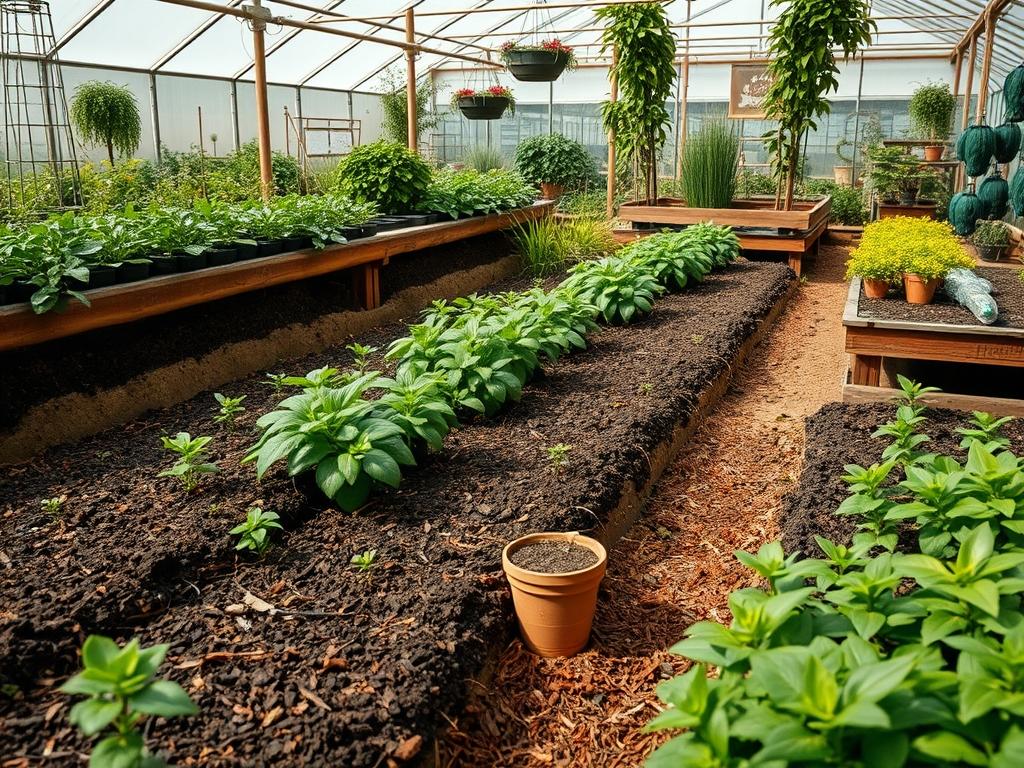
Landscapes transition into a period of physiological stress as ambient temperatures drop below freezing. While the visible portions of shrubs and trees enter dormancy, the root systems remain biologically active, albeit at a slower rate. Protecting these subterranean structures is the primary goal of professional winterization. Landscape architects view the soil as a living thermal battery. Without proper insulation, the sharp oscillation between daytime thawing and nighttime freezing creates a phenomenon known as frost heaving. This mechanical movement of the soil can physically eject smaller perennials from the ground, exposing delicate fibrous roots to desiccating winds. Mulching Winter Gardens is critical for root protection because it serves as a high-performance thermal blanket. It regulates the internal temperature of the rhizosphere, ensuring that the transition between temperature extremes is gradual rather than violent.
Functionality and curb appeal do not cease when the flowering season ends. A well-mulched garden provides a clean, intentional aesthetic that distinguishes a professional landscape from an abandoned plot. From a structural standpoint, mulch defines the boundaries between hardscapes and softscapes, providing a visual anchor for the architectural bones of the property. When the vibrant colors of summer fade, the texture and tone of a high-quality organic mulch, such as Triple-Shredded Hardwood or Pine Bark Nuggets, offer a consistent backdrop for evergreen specimens. This creates a psychological sense of order and stewardship. Furthermore, the application of mulch during the late autumn or early winter facilitates better moisture management. Winter droughts are a common cause of plant mortality, especially for broadleaf evergreens that continue to transpire through their foliage. A 3-inch layer of mulch significantly reduces evaporation, keeping the root zone hydrated throughout the coldest months.
Landscape Design Principles
Integrating winter protection into a broader landscape design requires an understanding of symmetry and focal points. A professional site plan utilizes mulch not just as a protective layer, but as a tool for visual balance. Designers often use dark mulches to create high-contrast ground planes that make the silver bark of a River Birch or the deep green of a Boxwood hedge pop. Elevation layers play a significant role here as well. By varying the height of planting beds using Retaining Walls or natural grading, an architect can ensure that mulch remains in place while directing excess meltwater away from the home foundation.
Irrigation planning must also be synchronized with mulching strategies. Professional systems often include drip lines buried beneath the mulch layer. This placement protects the Polyethylene Tubing from UV degradation and freezing air, while the mulch ensures that any winter irrigation pulses reach the roots without evaporating. This synergy between mechanical systems and organic materials is a hallmark of sophisticated landscape architecture. Walkways and pedestrian circulation paths should be bordered by well-edged mulch beds to prevent soil migration onto stone or concrete surfaces. This maintainable edge creates a crisp line that preserves the formal geometry of the garden even under a blanket of snow.
Plant and Material Selection
| Plant Type | Sun Exposure | Soil Needs | Water Demand | Growth Speed | Maintenance Level |
| :— | :— | :— | :— | :— | :— |
| English Boxwood | Partial to Full Sun | Well-Drained | Moderate | Slow | Medium |
| Japanese Yew | Shade to Sun | Loamy/Acidic | Moderate | Moderate | Low |
| Winterberry | Full Sun | Moist/Acidic | High | Moderate | Low |
| Lenten Rose | Partial Shade | Rich/Humus | Moderate | Slow | Low |
| Blue Spruce | Full Sun | Adaptable | Low | Moderate | Low |
| Panic Grass | Full Sun | Sandy/Dry | Low | Fast | Low |
Implementation Strategy
The successful layout of a winter-ready garden begins with site preparation and grading. Before any mulch is applied, the land must be contoured to ensure that water does not pool at the base of sensitive species. A professional installer uses a Square-Point Shovel or a Power Edger to create a clean, vertical trench at the perimeter of the bed. This “Victorian Edge” prevents the mulch from spilling onto the turf and inhibits grass rhizomes from encroaching into the garden. Once the edge is established, any existing weeds must be removed to prevent them from overwintering under the fresh cover.
The selection of mulch material depends on the specific needs of the flora. For acidic-loving plants like Azaleas or Rhododendrons, a Pine Needle mulch or Pine Bark is preferred. For general ornamental beds, a 3-inch depth of organic hardwood mulch is the industry standard. It is vital to spread the material evenly using a Steel Bow Rake. The installer must pay close attention to the root flare of trees. Mulch should never touch the bark of the trunk; instead, it should taper down as it approaches the center, resembling a donut rather than a volcano. This prevents moisture from being trapped against the bark, which can lead to fungal infections and rodent damage. Finally, a light watering after application helps settle the material, ensuring it stays in place against winter gusts.
Common Landscaping Failures
One of the most frequent errors in garden management is the “mulch volcano,” where material is piled high against the trunks of trees. This practice suffocates the root crown and encourages the growth of adventitious roots that can eventually girdle and kill the tree. Another common failure involves poor drainage planning. If mulch is applied to a low-lying area without proper French Drains or grading, it can become a saturated mess that promotes root rot. Soil compaction is another silent killer. Heavy foot traffic on wet mulch compresses the soil pores, stripping the roots of the oxygen they need to survive the winter.
Overcrowding is also a significant concern. When plants are spaced too closely, the mulch layer cannot effectively manage moisture for the entire group, leading to competition and stunted growth. Furthermore, failing to account for the nitrogen cycle can lead to nutrient deficiencies. As raw wood chips decompose, they temporarily pull nitrogen from the soil surface. Professional consultants often recommend a light application of a Slow-Release Fertilizer or Compost before mulching to offset this effect. Lastly, ignoring irrigation inefficiencies can lead to “dry drowning,” where the mulch looks wet on the surface but the soil beneath remains hydrophobic and bone-dry.
Seasonal Maintenance
Landscape management is a year-round commitment. In the spring, the winter mulch should be inspected for compaction. Using a Garden Fork to lightly fluff the existing material allows air to reach the emerging bulbs and perennials. If the layer has thinned to less than 2 inches, a light top-dressing may be required. Summer maintenance focuses on moisture retention and weed suppression. As the heat intensifies, the mulch acts as a barrier against solar radiation, keeping the soil temperature significantly lower than the ambient air.
As autumn arrives, the focus shifts to leaf management. While fallen leaves can provide nutrients, a thick mat of un-shredded leaves can block water and air from reaching the soil. Professionals recommend shredding leaves with a Mulching Mower and incorporating them into the mulch layer or removing them entirely in favor of fresh bark. Finally, the winter phase involves monitoring for “frost heave” and ensuring that the mulch remains thick enough to protect the sleeping root systems. By following this cycle, the integrity of the landscape is preserved, ensuring a vibrant return to growth once the ground thaws.
Professional Landscaping FAQ
Why is winter mulching necessary for established plants?
Even established plants face the risk of root desiccation and frost heaving. Mulch provides a stable thermal environment, preventing the ground from rapidly freezing and thawing, which can damage mature root structures and lead to secondary infections.
How deep should the mulch layer be for winter protection?
A depth of 2 to 4 inches is ideal for most residential landscapes. This thickness provides sufficient insulation and moisture retention without obstructing oxygen exchange. Layers exceeding 4 inches may encourage mold growth or suffocate shallow root systems.
Can I use inorganic mulch like river rock for winterizing?
River Rock and other stones are excellent for drainage and aesthetics but offer poor thermal insulation. In cold climates, inorganic mulches can actually transfer cold deeper into the soil. Organic options are superior for temperature regulation.
Should I mulch over my perennials after they die back?
Yes, once the first hard frost has occurred and the foliage has been trimmed, apply mulch over the crown. This protects the dormant center of the plant from extreme cold and prevents early sprout-outs during mid-winter thaws.
Will mulching in winter attract pests like voles or mice?
While mulch provides cover, keeping it away from the direct trunk of trees and shrubs minimizes risk. Maintain a 2-inch gap between the mulch and the plant base to discourage rodents from chewing on the bark during winter.