
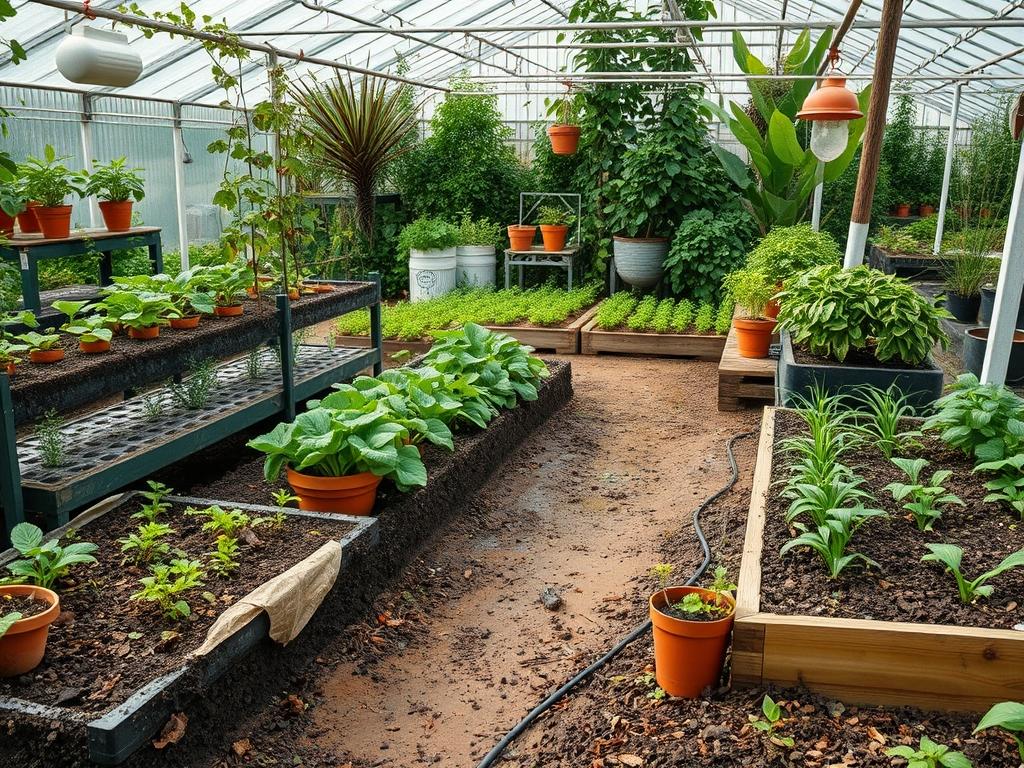
Sustaining a vibrant landscape through a punishing summer requires more than just frequent watering; it demands a scientific approach to soil management that integrates architectural design with biological necessity. As landscape architects, we view the garden as a living system where soil acts as the primary reservoir for vitality. Without a structured strategy to combat high evapotranspiration rates, even the most expensive horticultural specimens will succumb to heat stress and desiccation. Improving curb appeal and maintaining outdoor functionality during the peak of the season hinges entirely on how effectively your soil can capture, hold, and distribute moisture to the root zone. A high-performance environment is not built on the surface alone but is engineered from the ground up to withstand regional climate fluctuations.
Effective moisture management begins with a site analysis that identifies microclimates and drainage patterns. When we design for high heat, we look at how the topography influences water movement. Steeper slopes often suffer from rapid runoff, leaving the soil beneath parched while pooling water at the base, which can lead to root rot. By implementing specific soil water retention tips, such as incorporating organic matter and utilizing appropriate ground covers, we can transform a landscape from a high-maintenance burden into a self-sustaining ecosystem. This transition is essential for homeowners who want to balance aesthetic elegance with environmental responsibility.
Landscape Design Principles
In the realm of professional landscape architecture, we prioritize the concept of hydrozoning. This principle involves grouping plants with similar water requirements together to ensure that no single area is over-saturated or under-hydrated. Symmetry and focal points are not just visual tools; they serve as structural anchors for the irrigation layout. For instance, a central focal point like a large specimen tree may require a dedicated drip irrigation line, while the surrounding symmetrical beds of low-water perennials can be managed on a separate schedule. This prevents the wasted resources often seen in haphazardly planned gardens.
Elevation layers also play a critical role in how moisture behaves across the property. By creating tiered garden beds using retaining walls, we can slow down the velocity of rainwater, allowing it more time to permeate the soil. These layers should be designed with a keen eye for visual balance; taller, more water-demanding shrubs should ideally be placed in lower elevations where moisture naturally accumulates. Walkways and hardscaping should be integrated using permeable pavers or crushed stone to allow rain to bypass the surface and recharge the groundwater directly. This layout ensures that every drop of water serves a functional purpose within the design.
Plant and Material Selection
Selecting the right biological and mineral components is the foundation of a resilient garden. The following table provides a selection of species and materials favored for their performance in high-heat environments with varying soil needs.
| Plant Type | Sun Exposure | Soil Needs | Water Demand | Growth Speed | Maintenance Level |
| :— | :— | :— | :— | :— | :— |
| Lavender (Lavandula) | Full Sun | Sandy/Gravelly | Low | Moderate | Low |
| Coneflower (Echinacea) | Full Sun | Well-drained Loam | Low to Med | Fast | Low |
| Oakleaf Hydrangea | Partial Shade | Rich Organic Matter | Medium | Moderate | Moderate |
| Switchgrass (Panicum) | Full Sun | Varied/Clay Tolerant | Low | Fast | Low |
| Russian Sage | Full Sun | Poor/Dry Soil | Very Low | Fast | Low |
| Japanese Forest Grass | Full Shade | Humus-rich/Moist | Medium | Slow | Medium |
Beyond the plants themselves, the materials we introduce into the soil are just as important. Compost, leaf mold, and shredded bark are the primary tools for increasing the water-holding capacity of sandy soils. Conversely, for heavy clay, the addition of expanded shale or gypsum can help move water through the profile to prevent stagnation.
Implementation Strategy
To implement a successful backyard or garden layout, start with a professional soil test to determine the pH and nutrient levels. Once the baseline is established, begin the grading process. Proper grading ensures that water flows away from the home foundation but remains accessible to the root zones of your primary plantings. Use a landscape rake to create a gentle slope, roughly 2 inches of drop for every 10 feet of horizontal distance. Once the grade is set, define your edges using steel edging or poured concrete curbs to prevent different soil types and mulch from mixing.
The next step involves the application of a high-quality mulch. We recommend a depth of at least 3 inches of hardwood mulch or pine straw. This layer acts as an insulating blanket, reducing soil temperature by as much as 10 degrees and significantly cutting down on evaporation. Beneath the mulch, consider installing a sub-surface drip irrigation system. This technology delivers water directly to the roots, eliminating the loss associated with wind drift and surface evaporation. Finally, integrate hardscaping elements like large granite boulders; these not only provide visual weight but also create cooler “shadow zones” in the soil immediately beneath and behind them.
Common Landscaping Failures
The most frequent mistake in residential landscapes is poor drainage planning. When water cannot escape the soil profile, it displaces oxygen, effectively drowning the plant. This is often caused by soil compaction, which occurs when heavy machinery or high foot traffic collapses the pore spaces within the earth. To fix this, use an aerator or a broadfork to loosen the soil without flipping the layers, preserving the delicate microbial life within.
Another common failure is root overcrowding. When plants are placed too closely together in an attempt to achieve an “instant” full look, they compete fiercely for the limited moisture available. This competition weakens the entire bed. Always follow the spacing recommendations provided by the nursery, usually measured from the center of one plant to the next. Furthermore, improper irrigation timing—such as watering in the middle of a hot afternoon—results in immediate loss to the atmosphere and can even scorch the foliage of sensitive species. Always schedule irrigation for the early morning hours, between 4:00 AM and 8:00 AM, to maximize absorption.
Seasonal Maintenance
Landscape management is a year-round commitment. In the spring, your focus should be on soil preparation. Work in 1 to 2 inches of fresh organic compost to replenish nutrients lost over the winter. This is also the time to inspect your irrigation system for leaks or clogged emitters. As summer arrives, the priority shifts to monitoring and protection. Check the moisture level at a depth of 4 inches using a soil probe; if the soil is bone dry at that depth, it is time to increase your irrigation duration.
Autumn is the ideal season for “deep feeding” and structural adjustments. As the heat wanes, the soil remains warm, which encourages root growth even as the top of the plant goes dormant. Use this time to apply bone meal and update your mulch layers before the first frost. During the winter, the goal is protection. Even though plants are dormant, the wind can desiccate the soil. A light layer of evergreen boughs or a final check of the mulch depth will ensure that your landscape emerges healthy and ready for the following spring.
Professional Landscaping FAQ
How can I tell if my soil is hydrophobic?
If water beads on the surface of the soil and refuses to soak in, it is likely hydrophobic. This often occurs in extremely dry peat-based soils. Use a wetting agent or a gentle surfactant to break the surface tension.
Does decorative gravel help with water retention?
Gravel can act as a mulch, but it often absorbs and radiates heat back into the soil. For summer moisture retention, organic wood-based mulches are far superior because they provide better thermal insulation and improve soil structure over time.
How deep should I water my lawn to ensure survival?
You should aim to saturate the soil to a depth of 6 inches. Shallow watering encourages roots to stay near the surface, where they are more vulnerable to heat. One deep watering session is better than three shallow ones.
Can I over-mulch my trees?
Yes. Creating “mulch volcanoes” against the trunk of a tree traps moisture against the bark, leading to rot and fungal infections. Always keep the mulch at least 3 inches away from the root flare of any woody plant.
What is the best way to improve clay soil for summer?
Incorporate organic matter and coarse sand or expanded shale. This improves the macro-pore space, allowing water to penetrate more deeply rather than sitting on the surface and evaporating or causing the clay to crack and shrink.