
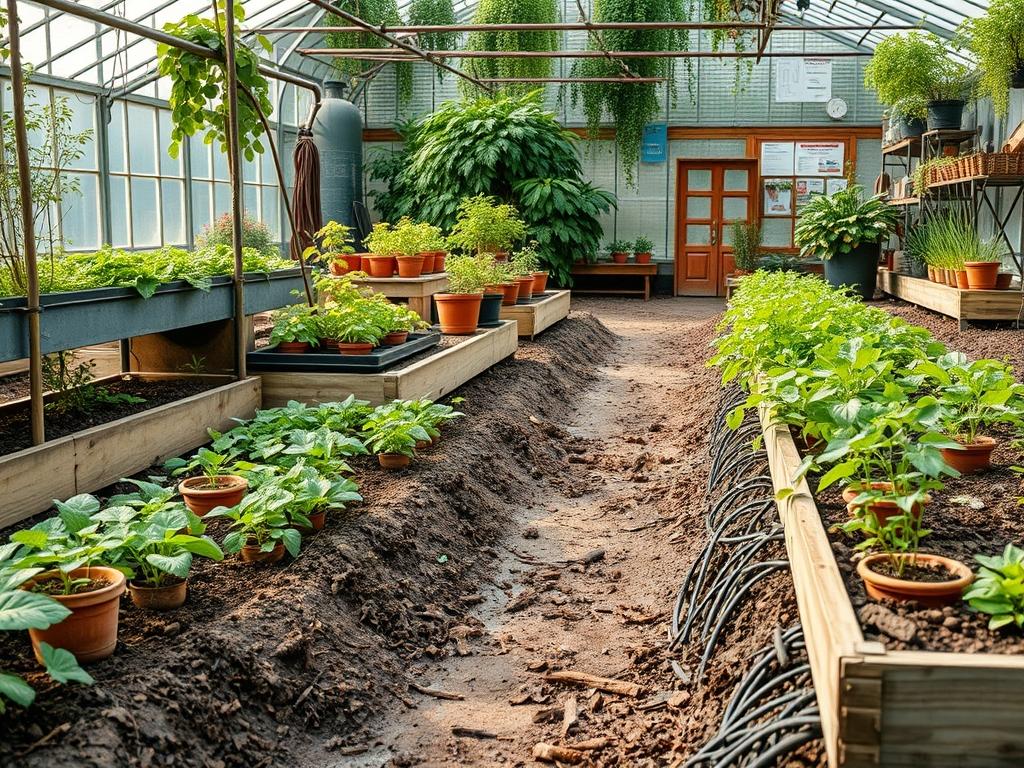
Transforming a raw landscape into a functional outdoor environment requires more than just an aesthetic vision. It demands a deep understanding of soil mechanics, site grading, and structural integrity. For many homeowners and developers, the initial phase of site preparation involves breaking ground to ensure proper aeration and nutrient distribution. This is where mechanization comes into play. However, the use of heavy equipment introduces a layer of risk that must be managed with precision. Mastering Rototilling Safety Tips is not merely a suggestion for the amateur gardener; it is a fundamental requirement for any professional landscape architect looking to maintain a safe job site while achieving high-quality soil tilth. The goal of primary tillage is to create a hospitable environment for root systems, but if executed poorly, it can lead to personal injury or long-term damage to the soil structure.
Curb appeal and outdoor functionality are directly tied to how well the land is prepared before the first Native Plant is ever placed in the ground. In regions with heavy clay or compacted silt, a Rear-Tine Tiller becomes the primary tool for shifting the soil horizon. Designers must account for the local climate, as tilling saturated soil can lead to clumping and “pancaking,” which destroys the very drainage they aim to improve. Conversely, tilling bone-dry earth can create dust hazards and mechanical strain. Achieving professional results means balancing these environmental factors with the mechanical power of the machine, ensuring the transition from a flat, dormant lot to a tiered, vibrant garden is both efficient and safe.
Landscape Design Principles
Professional landscape design relies on the core principles of symmetry, focal points, and elevation layers. When planning a site, an architect treats the ground as a three-dimensional canvas. One must consider how Retaining Walls will interact with the natural slope of the land. High-quality design uses elevation to create visual interest; for instance, raised garden beds or sunken seating areas can break the monotony of a flat yard. Before any of these features are built, the soil must be stabilized and leveled. This is where comprehensive planning of Irrigation lines becomes vital. You must map out all subterranean utilities and pipes before the Tiller ever touches the surface.
Visual balance is achieved through the careful placement of hardscaping and softscaping elements. A focal point, such as a large Specimen Tree or a stone fountain, provides an anchor for the eye. Surrounding these anchors with graduated heights of shrubs and perennials creates a sense of depth. Walkways should be planned to facilitate natural movement through the space, guiding visitors from the high-traffic zones to quiet retreats. During the planning stage, the architect must also account for Drainage. Proper grading prevents water from pooling near the foundation of a home or at the base of sensitive root systems. A well-tilled site allows for a more uniform distribution of water, but the tilling path must follow the intended contours of the final design.
Plant and Material Selection
Selecting the right materials and flora is a technical exercise in matching biological needs with environmental realities. The following table outlines standard selections for a diverse professional garden.
| Plant Type | Sun Exposure | Soil Needs | Water Demand | Growth Speed | Maintenance Level |
| :— | :— | :— | :— | :— | :— |
| Boxwood | Full to Partial | Well-drained | Moderate | Slow | Medium |
| Lavender | Full Sun | Sandy/Gravelly | Low | Medium | High (Pruning) |
| White Oak | Full Sun | Loamy/Deep | Moderate | Slow | Low |
| Tall Fescue | Full to Partial | Clay/Loam | Moderate | Fast | High (Mowing) |
| Hosta | Shade | Moist/Rich | High | Medium | Low |
| Switchgrass | Full Sun | Varied/Poor | Low | Fast | Very Low |
Implementation Strategy
The transition from a design on paper to a physical landscape involves several critical steps. First, the site must be cleared of large debris. This includes removing River Rocks, fallen branches, and any hidden metal objects. Once the ground is clear, use Marking Paint or string lines to define the borders of the tilling area. This ensures you do not inadvertently disturb areas designated for permanent structures or existing root zones of protected trees.
When you are ready to begin, prioritize Rototilling Safety Tips by inspecting your equipment. Check the oil levels, ensure the Tine Guards are securely in place, and verify that the emergency shut-off switch is functional. Personal Protective Equipment, commonly known as PPE, is non-negotiable. You must wear Steel-Toed Boots, Safety Glasses, Ear Plugs, and heavy-duty Work Gloves. Loose clothing should be avoided as it can become entangled in the rotating internal components of the machine.
Start the engine on a level surface. When engaging the tines, allow the machine to move forward at a steady, slow pace. Professional landscaping requires a shallow pass first, perhaps only 2 Inches deep, followed by a deeper pass at a perpendicular angle. This cross-tilling method ensures a uniform texture and breaks up stubborn clumps of earth. Never attempt to till in reverse unless the machine is specifically designed for it and you have a clear, flat path behind you. If the tiller hits a hidden obstruction, such as a large Tree Root or a buried stone, the machine may kick back. Maintaining a firm but flexible grip on the Handlebars allows you to stay in control without being jerked by the sudden movement.
Once the soil is loosened, you can proceed with Grading. Use a Landscape Rake to smooth the surface and establish the final levels. After the soil is prepped, install your Edging materials and apply a layer of Organic Mulch to a depth of at least 3 Inches. This protects the newly aerated soil from compaction due to rain and helps retain moisture for the upcoming planting phase.
Common Landscaping Failures
The most frequent mistake in landscape implementation is poor Drainage management. If the land is not graded away from structures, water will inevitably find its way into basements or crawlspaces. Another common error is failing to account for the mature size of plants. Root overcrowding can lead to the death of expensive specimens within three to five years. When you till the soil, it is tempting to plant everything closely for immediate impact, but you must respect the recommended Spacing requirements of each species.
Soil compaction is another silent killer of beautiful landscapes. After a site has been tilled and planted, heavy foot traffic or the use of heavy machinery can crush the air pockets in the soil. This prevents oxygen from reaching the roots and inhibits water infiltration. Inefficient Irrigation is also a major hurdle. Many professionals install systems that provide the same amount of water to every zone, ignoring the fact that a Lavender hedge requires far less moisture than a bed of Hydrangeas. Use a zoned system and consider Drip Irrigation for high-efficiency water delivery.
Seasonal Maintenance
Landscape management is a year-round commitment. In the spring, the focus should be on soil testing and the application of slow-release Fertilizer. This is the time to refresh Mulch levels and check the Irrigation system for any leaks or clogged nozzles caused by winter debris. As the weather warms into summer, the priority shifts to moisture management and weed control. Deep, infrequent watering is better than shallow, daily misting, as it encourages roots to grow deeper into the soil.
Autumn is the ideal season for aeration and overseeding. This is also when you should prune deciduous trees and prepare the garden for dormancy. Remove any diseased foliage to prevent pathogens from overwintering in the soil. During the winter, the focus turns to hardscape maintenance. Inspect Retaining Walls for shifts caused by the freeze-thaw cycle and ensure that any snow removal chemicals used on Walkways are safe for nearby Native Plants. If you are in a region with heavy snow, use stakes to mark the edges of your garden beds so they are not damaged by plows.
Professional Landscaping FAQ
How deep should I typically rototill for a new garden bed?
For most ornamental plants and vegetables, a depth of 6 to 8 Inches is ideal. This provides enough loose soil for root expansion while ensuring that organic amendments are thoroughly integrated into the existing soil structure.
What is the most important of the Rototilling Safety Tips?
Always contact 811 or your local utility marking service before you dig. Striking a buried electrical line or gas pipe is life-threatening and can cause massive property damage. Never skip this foundational safety step.
Can I till the soil when it is very wet?
No. Tilling wet soil destroys the soil structure by creating large, brick-like clods when it eventually dries. This eliminates the necessary air pockets and makes it difficult for roots to penetrate the ground effectively.
What should I do if my tiller starts to bounce?
Bouncing usually indicates the soil is too hard or you are trying to till too deep on the first pass. Increase the height of the tines and make several shallow passes instead of one deep one.
Does a newly tilled area need immediate mulching?
Yes. Tilling exposes the soil to the elements. Without a protective layer of Mulch, the sun will dry it out and wind can blow away the nutrient-rich top layer. Mulching immediately preserves the work you have just completed.