
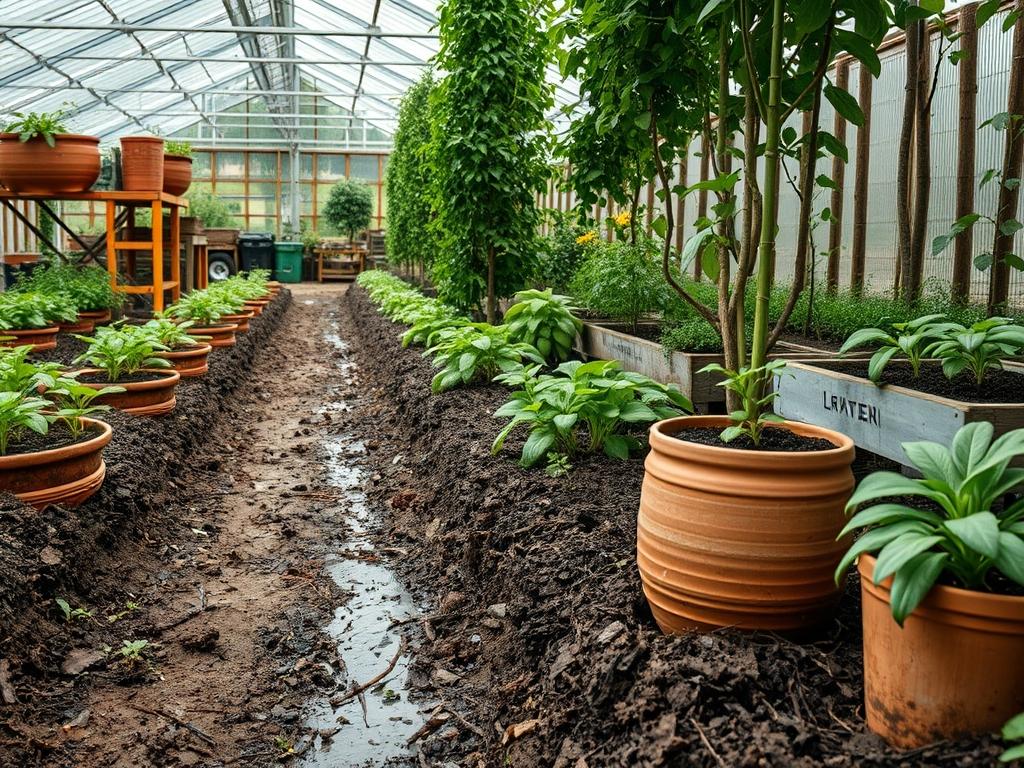
Transitioning an orchard from a sterile environment of bare soil or brown wood chips into a vibrant, biodiverse sanctuary requires a shift in how we perceive the ground plane. Traditional fruit production often relies on heavy mulching or herbicidal strips to eliminate competition, yet this approach leaves the soil vulnerable to temperature fluctuations and erosion. By integrating living mulch for orchards, a landscape architect can create a self-sustaining ecosystem that mimics the floor of a natural woodland. This strategy involves planting low-growing, non-competitive species directly beneath the tree canopy to suppress weeds, retain moisture, and fix atmospheric nitrogen. Beyond the biological benefits, a carpet of flowering herbs or soft legumes dramatically enhances the curb appeal of a property. It replaces the monotonous appearance of industrial agriculture with a lush, textured landscape that serves as both a functional food forest and a sophisticated outdoor living space. Proper planning must account for local climate variables, such as humidity levels and rainfall patterns, to ensure the chosen living cover does not compete for resources during critical fruiting windows.
Landscape Design Principles
When designing an orchard with living mulch, symmetry and focal points take center stage to prevent the area from appearing unkempt. The fruit trees themselves, whether they are dwarf Apple or vigorous Persimmon, serve as the structural anchors. Using living mulch allows for the creation of distinct elevation layers, where the green carpet acts as the foundation for the vertical interest provided by the trees. We use visual balance by selecting ground covers that complement the foliage of the orchard. For instance, the silver hues of certain Mediterranean herbs can provide a stunning contrast against the deep emerald leaves of Citrus trees.
Irrigation planning is perhaps the most critical architectural element in these designs. Because both the trees and the ground cover require hydration, a multi-zoned Drip Irrigation system is often necessary. We typically place the emitters for the trees on a separate line from the low-flow sprayers or micro-clovers to ensure each layer receives targeted moisture without over-saturating the root zone. Walkways should be clearly defined to prevent soil compaction near the tree driplines. Using Flagstone or crushed Decomposed Granite for paths creates a clean break between the living mulch zones, offering a sense of order and intentionality. This separation ensures that the orchard remains a navigable part of the landscape rather than an overgrown thicket.
Plant and Material Selection
The following table highlights high-performance species used in professional orchard designs to provide nitrogen, nectar for pollinators, and soil stabilization.
| Plant Type | Sun Exposure | Soil Needs | Water Demand | Growth Speed | Maintenance Level |
| :— | :— | :— | :— | :— | :— |
| Dutch White Clover | Full Sun to Partial Shade | Adaptable/Loam | Moderate | Fast | Low |
| Creeping Thyme | Full Sun | Well-drained/Sandy | Low | Medium | Very Low |
| Comfrey (Bocking 14) | Full Sun to Partial Shade | Deep/Rich | Moderate | Very Fast | Moderate |
| Crimson Clover | Full Sun | Loamy/Neutral | Moderate | Fast | Low |
| Winter Vetch | Full Sun | Heavy Clay/Loam | Moderate | Fast | Moderate |
| Sweet Alyssum | Full Sun to Partial Shade | Well-drained | Moderate | Medium | Low |
Implementation Strategy
Successful implementation begins with site preparation and grading. Before a single seed is sown, the land must be shaped to facilitate proper drainage. If the orchard is located on a slope, we often design bioswales or small Retaining Walls to capture runoff and direct it into the root zones of the trees. Once the grading is complete, the soil should be aerated using a Broadfork to alleviate any compaction from construction or heavy foot traffic. Unlike traditional wood mulch, which is applied at a depth of 4 inches, living mulch requires a fine seedbed or a grid of plugs spaced roughly 12 inches apart.
When laying out the garden, use Steel Edging or Timber Borders to define the perimeter of the orchard. This prevents the living mulch from encroaching into turf areas or ornamental flower beds. For the initial establishment phase, a light layer of Spunbond Row Cover can protect young seedlings from birds and heavy rain. It is vital to ensure the living mulch is not planted flush against the tree trunk. We recommend maintaining a clear circle of roughly 12 inches in diameter around the base of each tree, filled with a coarse Perlite or gravel, to prevent fungal collar rot and discourage rodent nesting. As the living mulch grows, it will begin to form a dense mat that naturally regulates soil temperature and reduces the need for manual weeding.
Common Landscaping Failures
The most frequent mistake in orchard management is neglecting the potential for root overcrowding and nutrient competition. If a living mulch species is too aggressive, such as certain varieties of Mint or invasive grasses, it can rob young fruit trees of the nitrogen required for canopy development. This is why we prioritize nitrogen-fixing legumes like Crimson Clover. Furthermore, drainage mistakes can be fatal for fruit trees. If the living mulch is planted in a basin that lacks an outlet, the soil will become anaerobic, leading to root rot.
Soil compaction is another silent killer. Even with a beautiful green carpet, if there is high foot traffic without designated paths, the pore spaces in the soil will collapse. This restricts the tree’s ability to access oxygen. Lastly, irrigation inefficiencies often stem from a “one size fits all” approach. A living mulch with high water demands planted under a drought-tolerant Fig tree will create a conflict where one plant is always stressed. Selection should always be based on the specific hydrozone of the primary fruit crop.
Seasonal Maintenance
Spring is the season for assessment and supplemental seeding. This is the time to check the density of your living mulch and fill in any bare patches that emerged over the winter. If you are using dynamic accumulators like Comfrey, a spring “chop and drop” is recommended. Use Hedge Shears to cut the foliage back to 3 inches, leaving the leaves on the ground to decompose and release potassium back into the soil.
Summer management focuses on moisture monitoring. During heat waves, the living mulch may require a quick overhead misting to prevent wilting, even if the trees are being watered via deep drip lines. In autumn, many annual living mulches will go to seed. This is beneficial for self-sowing species, but any excess biomass should be mowed or crimped to create a natural winter insulation layer. Winter maintenance involves checking for pest activity. Voles and mice often hide in the dense cover of a living mulch during cold months. Maintaining that 12 inch clear zone around the trunk is essential during this dormant period to prevent them from chewing on the bark.
Professional Landscaping FAQ
What is the best living mulch for a small home orchard?
Dutch White Clover is generally the best choice. It stays low, fixes nitrogen, and can withstand moderate foot traffic. It also provides a beautiful white floral display that attracts beneficial pollinators without competing aggressively with the tree roots for water.
How do I manage weeds while the living mulch establishes?
During the first 90 days, manual weeding is necessary. Once the living mulch reaches about 80 percent coverage, it will naturally shade out most opportunistic weeds. Using a high-quality, weed-free seed mix is the best way to prevent early competition issues.
Can living mulch attract pests to my fruit trees?
While some covers attract insects, they are usually beneficial predators like ladybugs. To avoid harmful pests, avoid using tall, grassy mulches that harbor rodents. Keep the material trimmed to a manageable height of under 8 inches to maintain airflow.
Does living mulch replace the need for fertilizer?
It significantly reduces the need but may not eliminate it. Leguminous mulches provide nitrogen, but trees still require phosphorus and potassium. Use a Soil Test Kit annually to determine if supplemental organic amendments are needed to support high fruit yields.
Can I walk on living mulch like a regular lawn?
Most living mulches, like Creeping Thyme, can handle light traffic. However, for frequent access, it is better to install a permanent walkway. This prevents soil compaction and ensures that the functional living layer remains lush and aesthetically pleasing year-round.